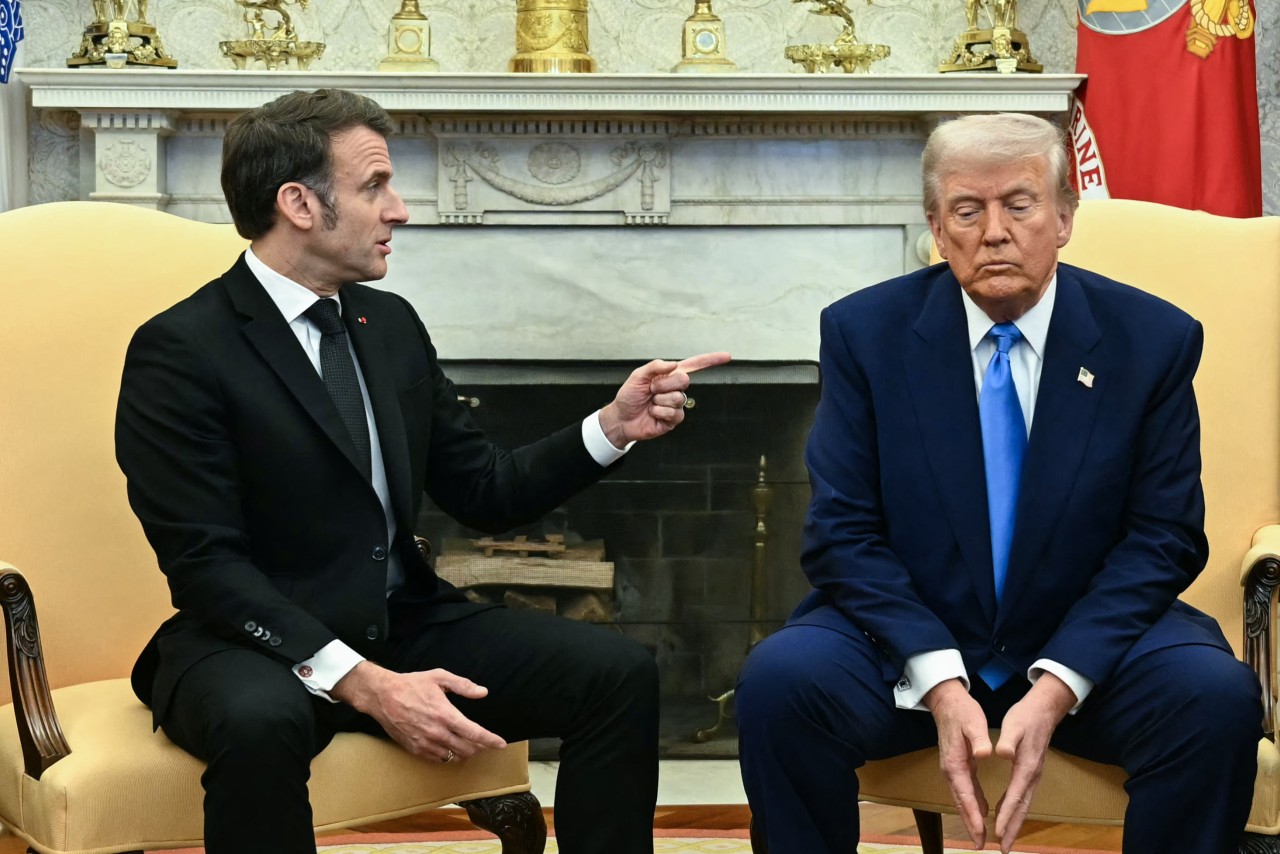
U.S. President Donald Trump has threatened to impose tariffs as high as 200% on French wines in an effort to urge French President Emmanuel Macron to take a more active role in the ongoing conflict in Gaza. This announcement, made during a press briefing on October 24, 2023, reflects Trump’s ongoing strategy to leverage economic pressure in international relations.
The proposed tariffs on French wines, which could significantly impact the wine industry, come amid rising tensions in the Middle East. Trump expressed frustration over what he perceives as a lack of decisive action from European leaders regarding the humanitarian crisis in Gaza. He stated that he expects more involvement from Macron, indicating that U.S. trade policy may hinge on international cooperation in addressing global issues.
In addition to the tariffs, Trump reiterated his longstanding desire to control Greenland, claiming that neither Europe nor Denmark can effectively safeguard the Arctic territory. He stated, “If we are going to protect our interests, we need to take control.” This comment follows previous discussions about the strategic importance of Greenland in U.S. foreign policy.
The implications of the proposed tariffs on French wines could be significant. France is one of the largest exporters of wine to the U.S., and a 200% tariff could drastically alter the landscape of the wine market. Industry experts warn that such a move may provoke retaliation from France, potentially impacting a range of other goods and services between the two nations.
As tensions escalate, the international community is watching closely. The United States has a long history of using tariffs as a tool in foreign policy, and the implications of this latest threat could extend far beyond the wine industry. Any retaliatory measures from France could lead to a broader trade conflict, complicating diplomatic relations between the two countries.
Trump’s remarks about Greenland also underscore a shift in U.S. foreign policy priorities, focusing more on national security interests in the Arctic region. This aligns with the broader geopolitical competition for influence in areas affected by climate change, as melting ice opens up new shipping routes and access to natural resources.
As the situation develops, both Trump and Macron will likely face pressure from their respective domestic audiences to respond effectively to the challenges posed by the Gaza conflict and trade relations. The potential for economic repercussions from the proposed tariffs adds an additional layer of complexity to their interactions.
In summary, Trump’s threats of substantial tariffs on French wines and his comments on Greenland signal a bold approach to foreign policy. This strategy emphasizes the importance of international cooperation in addressing global crises while also navigating the intricate dynamics of trade and diplomacy. The coming weeks may reveal how these tensions will unfold and what consequences they may have for international relations.