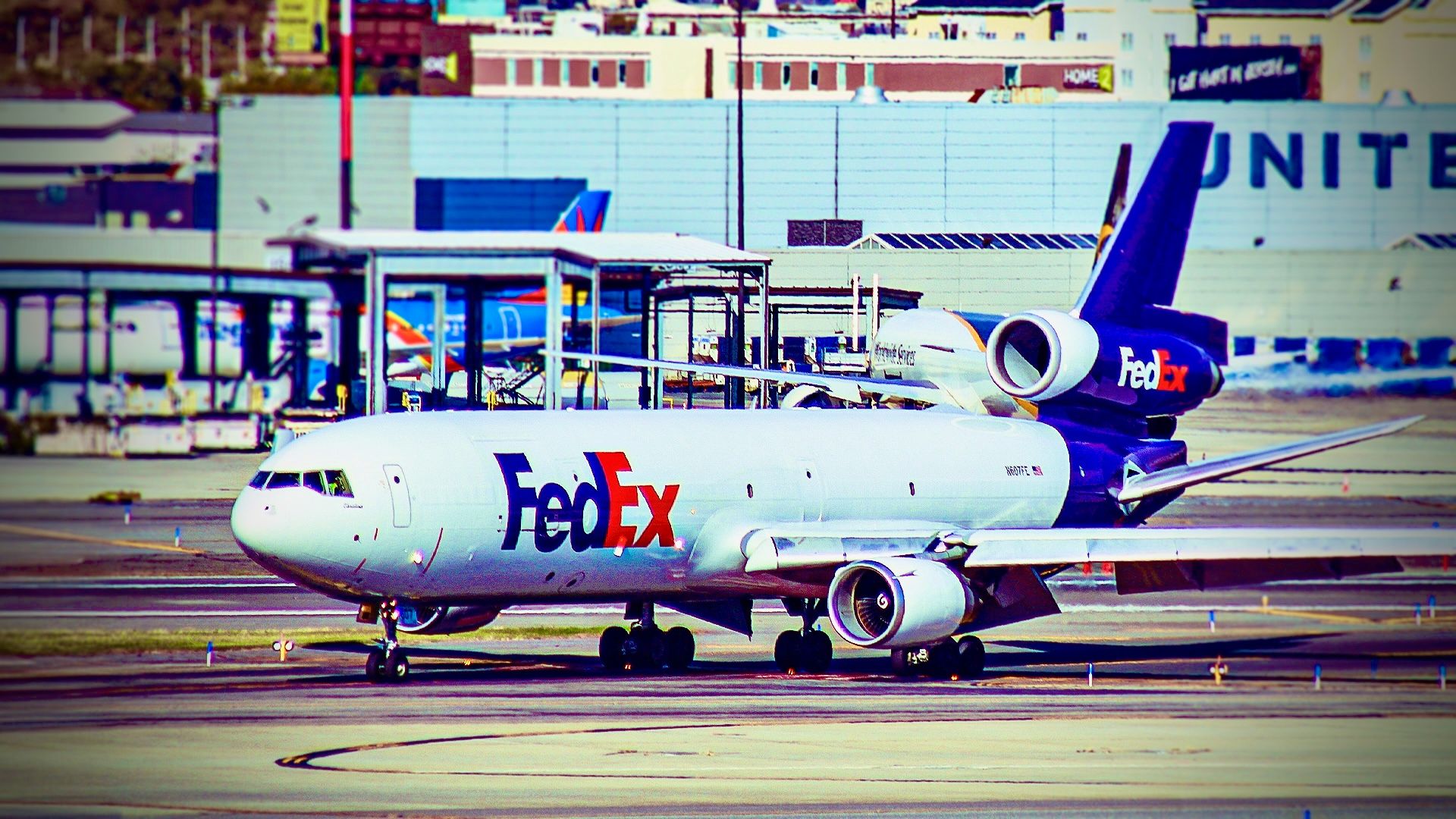
The McDonnell Douglas MD-11, a distinctive widebody trijet, has captivated aviation enthusiasts since it first entered service in March 1990. Renowned for its unique design, the aircraft features a tail-mounted engine configuration that sets it apart from traditional airliners. Despite its striking appearance and innovative features, the MD-11 faced significant challenges that ultimately impacted its commercial success.
Overview of the MD-11’s Development
Manufactured from 1988 to 2000, the MD-11 was an evolution of the earlier DC-10. The DC-10, which debuted in 1969, was the first widebody aircraft produced by McDonnell Douglas following its merger with Douglas Aircraft Company. While the DC-10 primarily served medium to long-range domestic routes, the MD-11 was designed to compete directly with the Boeing 747-200 and 747SP, offering enhanced range and payload capabilities.
The MD-11’s design included a stretched fuselage and refined wings, which improved fuel efficiency. It featured advanced engines, such as the General Electric CF6-80 and Pratt & Whitney PW4000-94, that were more powerful than those on the DC-10. Inside the cockpit, a complete glass display eliminated the need for a flight engineer, showcasing McDonnell Douglas’s commitment to modernization.
Despite these advancements, the MD-11 struggled to achieve commercial viability. It sold only 200 units, a stark contrast to its competitors. The shift towards twin-engine jets in the aviation market left the MD-11 at a disadvantage, as airlines increasingly opted for more economical aircraft.
Understanding the Tail Engine Design
One of the most distinctive features of the MD-11 is its tail-mounted engine, known as the number two engine. This design was borrowed from the DC-10 and aimed to reduce fuel consumption compared to larger aircraft like the Boeing 747. Unlike many trijet designs, where the center engine is integrated into the rear fuselage, the MD-11’s tail engine is mounted above the fuselage.
This configuration, while simpler and less expensive to manufacture, brought its own set of challenges. The engine, while equipped with a fan, is encased in a long, straight cowling, which compromises aerodynamic efficiency and affects handling during engine failures.
The MD-11’s design philosophy reflected McDonnell Douglas’s cautious approach following the financial difficulties from the DC-10 program. The center engine’s placement prioritized cost savings over aerodynamics, ultimately impacting the aircraft’s competitive edge.
The MD-11’s Mixed Legacy in Aviation
While the MD-11 initially faced hurdles in the passenger market, it later found a niche in cargo operations. The aircraft was recognized for its capabilities as a freighter, with many airlines opting for the MD-11F variant. Notably, the MD-11 was the most modern freighter available at the time, boasting greater capacity and range than competing aircraft like the Boeing 767-300F.
Despite its shortcomings in the passenger sector, the MD-11 earned a reputation as a reliable workhorse for cargo airlines, with over 25% of all MD-11s sold being freighter versions. The aircraft continues to operate in cargo fleets, with major operators such as FedEx and UPS still using the MD-11 for freight transport, a testament to its enduring legacy.
Today, as many MD-11s approach 30 years in service, the aircraft is gradually being phased out by its largest operators. Nonetheless, its unique design and operational history have secured a place in aviation lore, illustrating the complexities and challenges of aircraft development in a rapidly evolving industry.
The MD-11’s journey reflects the tension between innovation and market demands, serving as a reminder of the delicate balance aircraft manufacturers must maintain to succeed in an increasingly competitive landscape.