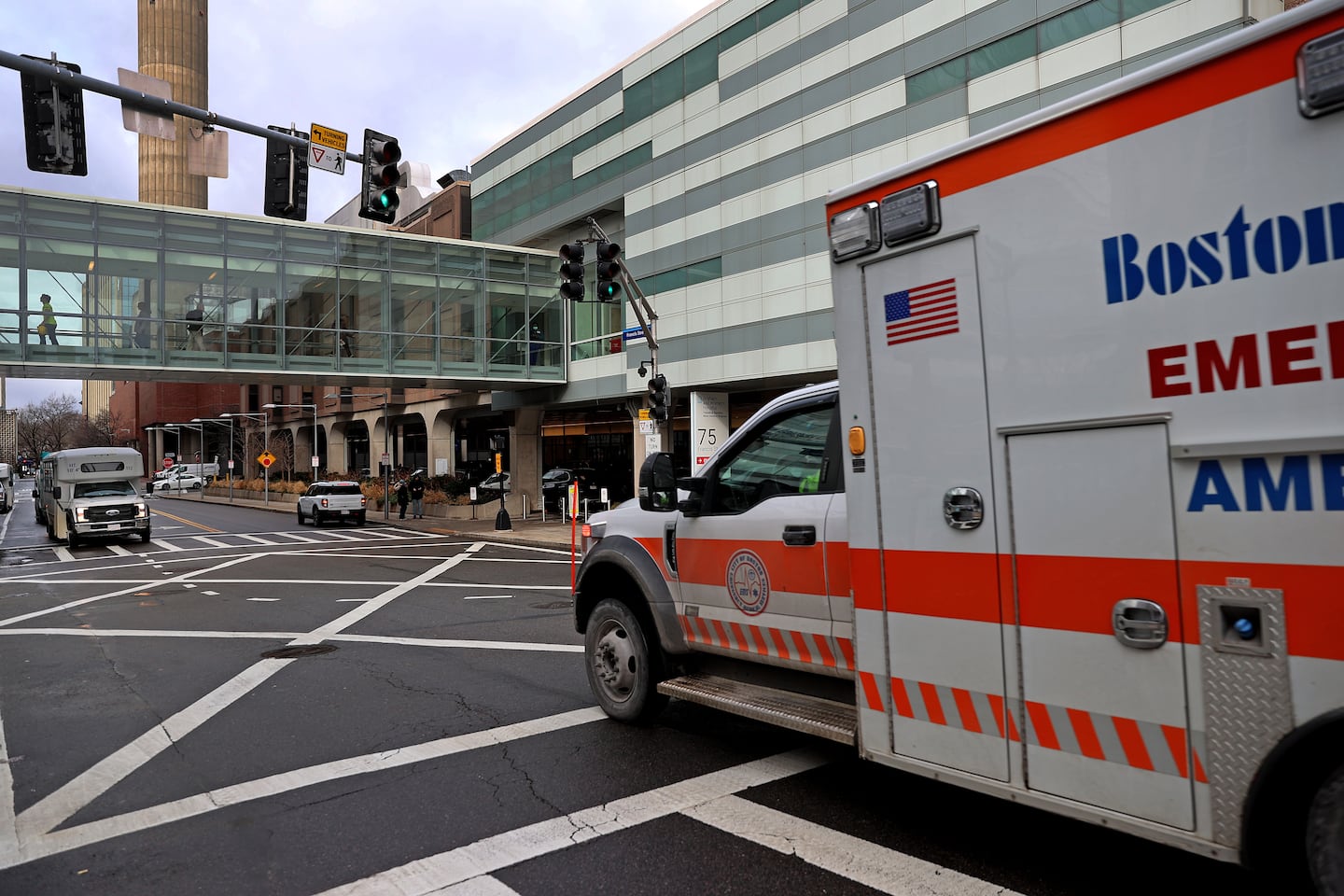
Nurses at Brigham and Women’s Hospital voiced strong opposition to the proposed closure of the hospital’s burn unit during a hearing on March 15, 2024. They urged state officials to designate the unit as “essential” amid plans for a merger with Massachusetts General Hospital (MGH) that would consolidate burn care services.
Brittany Kelleher, a nurse at Brigham, expressed serious concerns about the implications of centralizing burn care at a single facility. “It sounds like a very bad plan to send all patients to one burn hospital at one time,” she warned. “If there is ever some sort of tragedy, they are not prepared to take a city’s worth of patients to one place.”
The merger, proposed by Mass General Brigham (MGB), aims to streamline operations and improve the quality of burn care. MGB cited a decline in burn patients in recent years as a rationale for the consolidation. However, nurses represented by the Massachusetts Nurses Association (MNA) argued that closing the 10-bed unit would severely hinder the region’s ability to respond to emergencies requiring specialized burn treatment.
During the hearing, Jim McCarthy, a nurse and vice chair of the MNA bargaining committee, highlighted the burn unit’s critical role in managing care during mass casualty incidents, referencing the 2013 Boston Marathon bombing. “Surge capacity for burn injuries must exist before an emergency occurs,” McCarthy stated. “It cannot be created after the fact without unacceptable risk to patient outcomes.”
The union also raised alarms about a recent incident in which a severely burned patient was reportedly delayed in being admitted to Brigham due to a lack of available burn specialists. The patient remained in limbo for approximately five hours while awaiting transfer, worsening their condition. The MNA emphasized that this underscores the region’s insufficient burn care capacity. In response, a spokesperson for MGB stated that they were unaware of any incident matching that description.
The proposed merger would see MGH’s 20-bed inpatient unit at the Sumner M. Redstone Burn Center absorb Brigham’s burn patients, while the Brigham burn beds would be converted to intensive care unit (ICU) beds. The burn centers at Brigham and MGH are the only two facilities in Massachusetts verified by the American Burn Association to treat adult burn patients, and both serve a wide geographic area, including New England.
As the number of burn injuries has decreased nationally due to improved safety measures, the utilization of burn unit beds has also declined. Dr. Gerard Doherty, chair of surgery at MGB, noted that Brigham’s unit cares for, on average, one burn patient per day, while MGH treats approximately 300 patients annually, with the Brigham unit handling about 200 patients. The reduction in burn cases has led to discussions about the sustainability of maintaining two separate units.
Nurses argue that closing the Brigham burn center would not only reduce the number of specialized beds available but would also diminish the institutional knowledge necessary for effective burn care. Stefan Strojwas, a nurse with nearly 40 years of experience, emphasized the importance of mentorship and hands-on experience in training burn care specialists. “If we don’t, at the Brigham, continue to have exposure to burn patients, our experience will eventually peter out,” Strojwas said.
The Massachusetts Department of Public Health is expected to make a determination within 15 days regarding the essential status of the burn unit. Should the state classify the unit as essential, MGB must submit a plan to ensure continued access to burn care services.
The MNA has called for legislative measures to enhance protections for healthcare services deemed essential. Proposed legislation would extend the notice period for service closures from 90 days to one year and would prohibit hospitals from closing beds or units during health emergencies, such as pandemics. This initiative is backed by Senator Julian Cyr and Representatives Michael Kushmerek and Christine Barber.
Cyr highlighted ongoing concerns regarding the closure of essential services in the state. “The current closure procedure is a 90-day notice and a toothless oversight process from the Department of Public Health,” he stated. “The bill would envision a lengthier and more robust review process.”
As discussions surrounding the potential merger continue, the future of the burn unit at Brigham and Women’s Hospital remains uncertain, with significant implications for patient care and regional preparedness.