Fashion and entertainment are undergoing a transformation as Western music, fashion, and lifestyle trends gain renewed momentum. The cultural phenomenon, often referred to as the “Yellowstone effect,” continues to influence industries, drawing both interest and participation from diverse demographics. This movement began gaining traction with the debut of the television series “Yellowstone” in 2018, which featured Kevin Costner as the patriarch of a Montana ranching family. The show’s success has since led to various spin-offs, merchandise offerings, and even themed restaurants like The Four Sixes Ranch Steakhouse at Wynn Las Vegas.
The impact of Western culture extends beyond television, particularly in music. In 2024, megastar Beyoncé released her album “Cowboy Carter,” which showcased her in a rodeo-inspired ensemble. This not only fueled interest in Western fashion but also introduced greater diversity to the aesthetic. Additionally, CBS’s recent premiere of “The Road,” a competition series featuring musicians vying for a chance to open for country star Keith Urban, highlights the intersection of music and Western culture. This series, produced by Taylor Sheridan, showcases aspiring country artists performing in front of audiences dressed in classic Western attire.
Modern Western Wear: A Lifestyle Statement
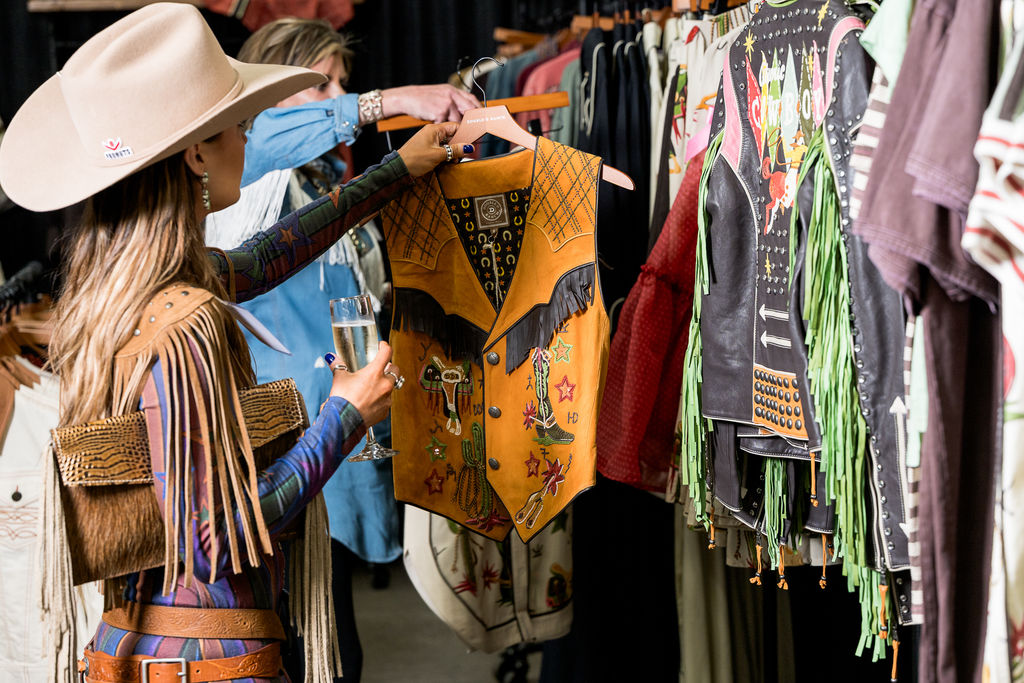
Western wear, a long-standing staple in Colorado, is experiencing a revival, evolving from past fads like the “Urban Cowboy” movement of the 1980s. Today, it reflects a lifestyle and heritage rather than the flashy outfits of yesteryear. Venues such as Belles & Boots in Denver’s LoDo entertainment district embody this shift, where patrons enjoy the comfort and nostalgia that Western clothing brings.
According to Taylor Woodard, owner of The Shop Outpost located at 5728 E. Colfax Ave., Western wear resonates with customers for its authenticity and connection to a slower-paced lifestyle. “You feel happier, lighter. It taps into authentic nostalgia for the past,” she explains. Woodard emphasizes the significance of sustainable fashion, noting that younger consumers are increasingly opting for vintage pieces to combat the environmental impact of fast fashion.
The Shop Outpost attracts a diverse clientele aged 25-40, with an even split between men and women. The store has become known for its hat parties, where participants can personalize their Western hats with various embellishments. These gatherings have gained popularity as unique ways to celebrate special occasions.
Two other retailers in Denver’s Cherry Creek North shopping area, Hats by Parker Thomas and Rancher Hat Bar, also offer customized hat services and host events, further solidifying the community’s embrace of Western style.
Western Fashion Takes Center Stage
The interest in Western wear has made its way to the runway as well. At the recent Denver Fashion Week, Western fashion took the spotlight for the second consecutive year. The event attracted several hundred attendees eager to see the latest trends. Nikki Strickler, the runway producer, curates designers with an eye on current trends. “Western is very trendy in the music and fashion worlds right now,” she notes, highlighting brands like Rockmount Ranch Wear as both classic and contemporary.
In September, the Double D Ranchwear fashion show, organized by Angela S. Lieurance of the Honoring the Legacy Capital Committee, showcased high-end Western attire to an audience of over 200 women. This event, initially designed as a shopping pop-up, evolved into a major runway production emphasizing the craftsmanship and storytelling behind each collection. “Double D is known for expert craftsmanship and exquisite detail,” Lieurance said, noting how the clothing resonates with women of all sizes and ages.
The enduring appeal of Western wear is also attributed to its ability to reflect various facets of American identity, including its connections to rodeo culture, black cowboys, and LGBTQ+ pride. Tara Kaufman, associate curator of clothing and textile arts at History Colorado, notes that Western wear is a hybrid aesthetic influenced by multiple cultures that coexisted during Westward expansion.
Kaufman points out that functional elements, such as pointed-toe boots and wide-brim hats, enhance both the style and practicality of Western wear. Colorado’s role in popularizing this fashion style is significant, with major companies like Miller Stockman and Rockmount Ranch Wear being founded in the state.
As the trend continues to flourish, a range of venues in Colorado cater to those seeking to experience Western culture. Belles & Boots and Dierks Bentley’s Whiskey Row are among the newest additions in Denver’s LoDo district, while the iconic Grizzly Rose has been a hub for live music and dancing since 1989. Newer establishments like Neon Cowboy and traditional favorites like The Buckhorn Exchange provide dining options steeped in Western themes.
For those looking to immerse themselves in this cultural revival, accommodations like the Urban Cowboy Hotel in Capitol Hill offer unique stays in a historic setting.
The fusion of fashion, music, and cultural identity demonstrates the significant role that Western wear plays in contemporary society. As more individuals embrace this style, the trend showcases an enduring connection to American heritage, allowing people to express their identities through a rich tapestry of influences.