The St. Paul City Council announced plans to introduce a series of ordinances aimed at restricting immigration enforcement actions within city property. The first ordinance, which will be introduced at a council meeting scheduled for 3:30 p.m. today, seeks to prohibit law enforcement from using city-owned spaces for federal immigration enforcement operations.
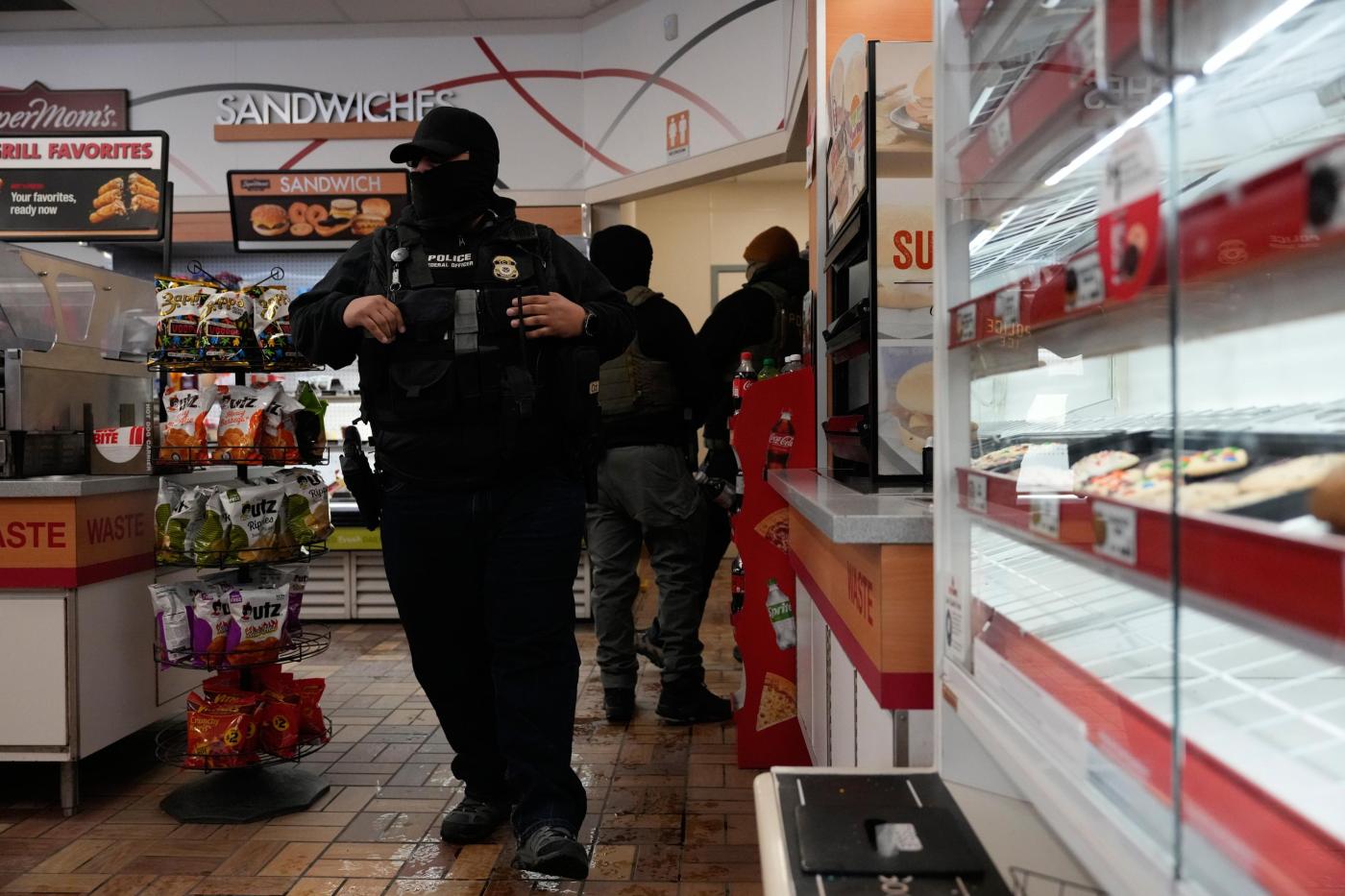
The initiative follows an incident on November 25, 2022, when an Immigration and Customs Enforcement (ICE) operation occurred on Rose Avenue near Payne Avenue. During that operation, St. Paul police were called to assist as protesters gathered, resulting in the use of chemical irritants and less-lethal munitions. Since that event, ICE’s presence in Minnesota has reportedly increased, prompting city officials to act.
In their statement, the City Council emphasized the urgency of the situation, stating, “The City must move urgently and therefore will not wait for one comprehensive update to the City’s existing separation ordinance.” This separation ordinance, established in 2004, stipulates that city employees are not authorized to enforce federal immigration policies.
The proposed updates to the ordinance aim to clarify the city’s authority and responsibilities under local law. According to the council, the changes will not alter federal law or hinder lawful federal enforcement actions. They also affirm that compliance with valid warrants or court orders remains mandatory.
Details of the Proposed Ordinance
The ordinance specifies that city-owned or city-controlled properties, such as parking lots, ramps, vacant lots, and garages, cannot be used by any government entity for staging immigration enforcement activities. It clearly states that “no federal, state, or local government entity or personnel is authorized to use” these spaces for operations related to federal immigration laws, except in cases where a judicial warrant is presented or when legally required.
City officials will not be able to authorize access to these areas without proper legal documentation. The ordinance further extends to “non-public city spaces,” which include areas requiring badge access, breakrooms, workstations, and employee-only zones. These spaces are similarly protected and are not open for federal immigration law enforcement without a judicial warrant or lawful requirement.
The process for enacting an ordinance involves multiple readings at city council meetings. Typically, a public hearing is held during the second reading, and the ordinance becomes effective 30 days after its passage by the council.
Next Steps for the City Council
All seven members of the St. Paul City Council are endorsing this ordinance, indicating a unified stance on the issue. In addition to discussing the proposed ordinance, council members plan to address “subsequent immediate and near-term actions” in today’s meeting.
This initiative reflects ongoing tensions surrounding immigration enforcement in the area and highlights the city’s commitment to separating local law enforcement from federal immigration policies. As discussions continue, the council aims to provide clarity and support to the community regarding these sensitive issues.