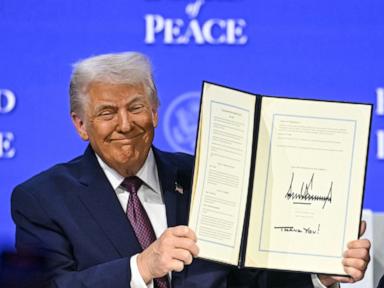
President Donald Trump inaugurated the signing ceremony for his Board of Peace on March 21, 2024, during the World Economic Forum in Davos, Switzerland. Trump characterized the day as “very exciting” and proclaimed that the board would become one of the “most consequential bodies” ever established. He stated, “As everyone can see today, the first steps toward a brighter day for the Middle East and a much safer future for the world are unfolding right before your very eyes.”
In his opening remarks, Trump expressed optimism about the board’s potential to “end decades of suffering” and “stop generations of hatred and bloodshed” in the Middle East. The initiative aims to forge lasting peace in the region, with more than two dozen countries already accepting invitations to join, although key European allies, including France, Germany, and the United Kingdom, have not yet committed.
The event was attended by over a dozen leaders whose nations agreed to be signatories. U.S. special envoy Steve Witkoff indicated that approximately 25 countries had accepted the invitation. Invitations were extended to more than 50 world leaders, with expectations that around 30 countries would ultimately join the board.
Despite the enthusiasm from some, the initiative has met with skepticism from several U.S. allies. Concerns have been raised regarding the necessity of creating a new body in addition to the United Nations. Trump asserted that the Board of Peace would surpass the U.N. in prestige and effectiveness, claiming, “I think the board of peace will be the most prestigious board ever, and it’s going to get a lot of work done that the United Nations should have done.”
When questioned about the potential for the board to replace the U.N., Trump replied, “It might.” This assertion has further fueled concerns among allies, especially given the ongoing conflict between Russia and Ukraine.
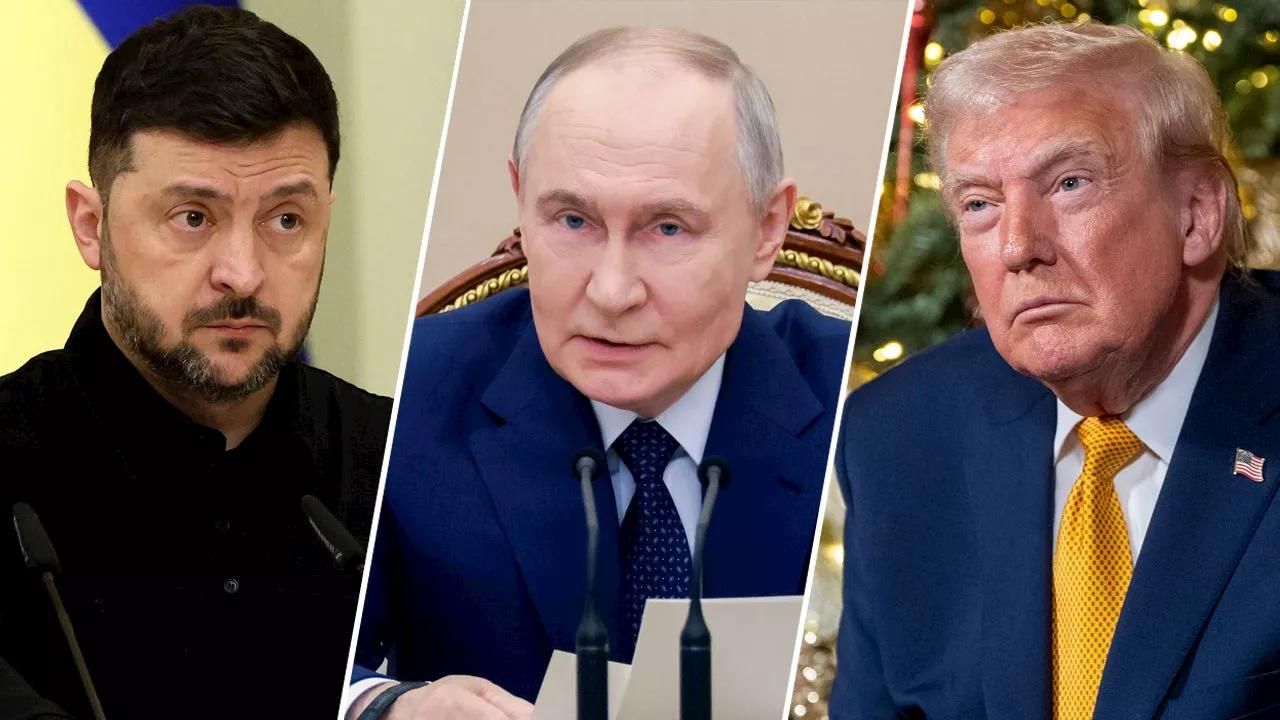
On the other hand, nations such as Russia have been invited to join the board. Russian President Vladimir Putin acknowledged the invitation, stating that it primarily concerns resolving issues in the Middle East and the humanitarian situation in Gaza.
As of the morning of the ceremony, countries including Albania, Argentina, Egypt, Israel, and Saudi Arabia were reported as participants. Trump described the assembly as “the greatest board ever assembled,” indicating that it includes influential figures who are capable of effecting significant change.
The Board of Peace was initially proposed last year with a two-year mandate from the U.N. Security Council to manage and rebuild Gaza. However, the charter for the board appears to have a broader mission, aiming to address global conflicts beyond just the Middle East. A U.S. official noted that nations accepting the invitation would receive a three-year membership term, with the possibility of permanent membership for those contributing over $1 billion within the first year.
While contributions are voluntary, Trump has indicated that the board will implement stringent financial controls. Notably, Putin suggested that Russia could potentially fund its membership through assets currently frozen due to sanctions related to the Ukraine conflict.
Key figures expected to form the executive committee of the board include former British Prime Minister Tony Blair, Canadian Prime Minister Mark Carney, and U.S. Secretary of State Marco Rubio, among others.
The full list of invited nations remains undisclosed, and the total number of signatories at the ceremony is still uncertain. U.K. Foreign Secretary Yvette Cooper confirmed that the United Kingdom would not participate, citing concerns regarding Russia’s involvement and a lack of commitment to peace in Ukraine.
As the Board of Peace moves forward, it faces both enthusiasm and skepticism from the international community, marking a significant moment in global diplomacy.