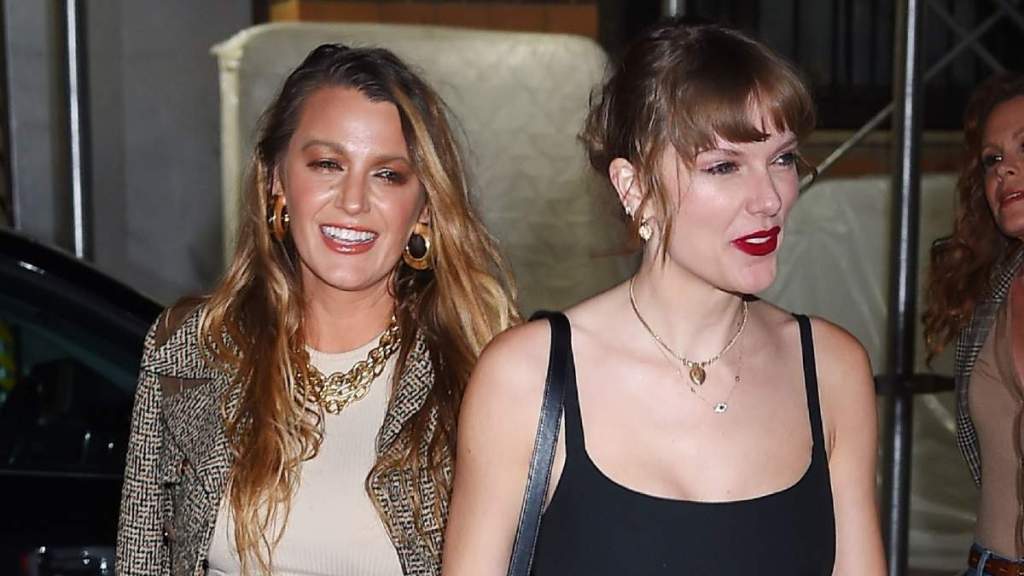
Recent text exchanges between Taylor Swift and Blake Lively reveal a potential strain in their friendship, according to psychotherapist Jonathan Alpert. The messages surfaced as part of Lively’s ongoing legal battle with her “It Ends With Us” co-star Justin Baldoni, who is facing allegations of sexual harassment and a retaliatory smear campaign. This situation has prompted questions about the dynamics of Swift and Lively’s long-standing relationship.
On January 20, 2024, court documents were unsealed that included private text conversations between the two stars. These exchanges offer a rare insight into Swift’s responses during a particularly tumultuous time for Lively. Alpert, who is also the author of the forthcoming book Therapy Nation, analyzed the texts and noted that while they do not indicate any overt conflict, they suggest an underlying tension.
Alpert pointed out that the tone of Lively’s messages appears to have shifted, becoming more cautious and guarded. He stated, “Blake seems to be operating in a very guarded place. When someone is dealing with legal stress and public pressure, their communication often becomes more careful and cautious, and maybe less natural.” This shift, according to Alpert, can unintentionally create emotional distance among friends.
While there is no indication of animosity from Swift, Alpert believes that the pop star’s responses reflect a sense of discomfort amid the surrounding legal issues. He remarked, “Taylor’s response doesn’t read as anger to me. It reads more like emotional pullback.” Alpert emphasized that this type of communication can lead to an unintended retreat, not out of a desire to end the friendship, but rather due to the pressures that make interactions feel less safe.
Alpert’s analysis suggests that Swift’s messages indicate a protective instinct, illustrating a change in their relationship dynamic. He noted, “What stands out in Taylor’s messages is a shift toward self-protection.” This does not imply any physical danger but highlights emotional and reputational unease stemming from Lively’s legal challenges.
As the legal proceedings continue, the friendship between Swift and Lively may face further tests. The scrutiny from both the public and the legal system could influence their communication patterns and emotional exchanges. The insights from Alpert serve as a reminder that even the strongest relationships can experience strain under pressure, particularly when external factors complicate personal dynamics.
The developments surrounding Lively’s case and her relationship with Swift illustrate the intersection of personal and public lives for high-profile figures. As both navigate their respective challenges, observers will be watching closely to see how their friendship evolves in the coming months.