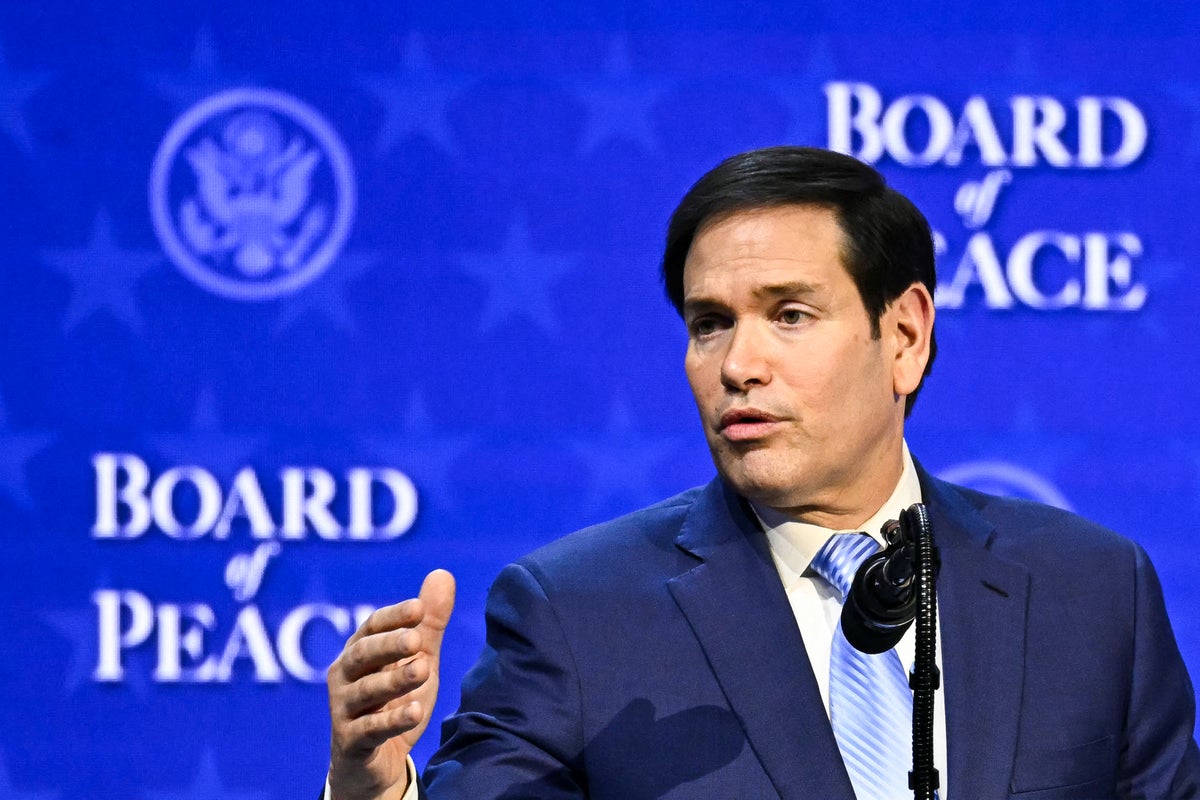
URGENT UPDATE: New documents reveal that Secretary of State Marco Rubio personally approved the arrest of five international student activists advocating for Palestine. The unsealed records, released Thursday by a federal judge, follow a lengthy legal battle alleging an unconstitutional campaign against pro-Palestine campus activists by the Trump administration.
The documents indicate that Rubio authorized the deportation of high-profile activists, including Columbia University‘s Mahmoud Khalil. This decision comes amid accusations that the Trump administration has resorted to retaliatory measures against those opposing U.S. foreign policy regarding the war in Gaza. District Judge William Young described the actions of Trump officials, including Rubio and Homeland Security Secretary Kristi Noem, as an “unconstitutional conspiracy” violating the First Amendment rights of students and faculty.
The unsealed materials disclose that Rubio directed officials to target these activists despite warnings from a senior diplomat about the potential legal ramifications for deporting individuals based on protected speech. These documents reveal a startling attempt to suppress dissent, with Rubio’s office reportedly acknowledging a lack of substantial grounds for deportation—relying instead on a rarely invoked law from the Red Scare era.
A memo regarding Mohsen Madhawi, a green card holder arrested during a citizenship interview, cautioned that his actions were closely tied to protected speech. The situation highlights the government’s precarious stance against student activism, particularly concerning pro-Palestine demonstrations. Activists and their legal representatives have vehemently denied allegations of antisemitism and material support for terrorism, which Rubio cited in justifying the arrests.
In a striking statement, Judge Young remarked, “I find it breathtaking that I have been compelled in the evidence to find the conduct of such high-level officers of our government… conspiring to infringe the First Amendment rights.” He emphasized the gravity of the case, noting that it raises critical questions about the government’s respect for constitutional protections.
The affected students, including Rumeysa Ozturk and Badar Khan Suri, were released from Immigration and Customs Enforcement (ICE) custody last year after federal judges intervened. Another student, Yunseo Chung, secured a restraining order preventing her arrest. However, the Trump administration continues to pursue their deportation, with recent threats made against Khalil, indicating an ongoing effort to silence dissent.
Internally, the State Department recognized the absence of evidence supporting claims against Ozturk, who was detained after criticizing Israel’s actions in a campus op-ed. These developments paint a troubling picture of governmental overreach and the chilling effect it has on free speech in academic settings.
As this story evolves, observers are urged to monitor further legal actions and the potential implications for student rights across the United States. The judge’s ruling suggests that any further attempts to deport the activists could be viewed as unlawful retaliation, raising hopes for a more favorable outcome for those advocating for Palestinian rights.
This unfolding situation serves as a stark reminder of the ongoing tensions surrounding free expression and activism in the United States, particularly regarding sensitive international issues. The fight for these students’ rights continues, and as the legal battle progresses, the implications could resonate far beyond campus borders.