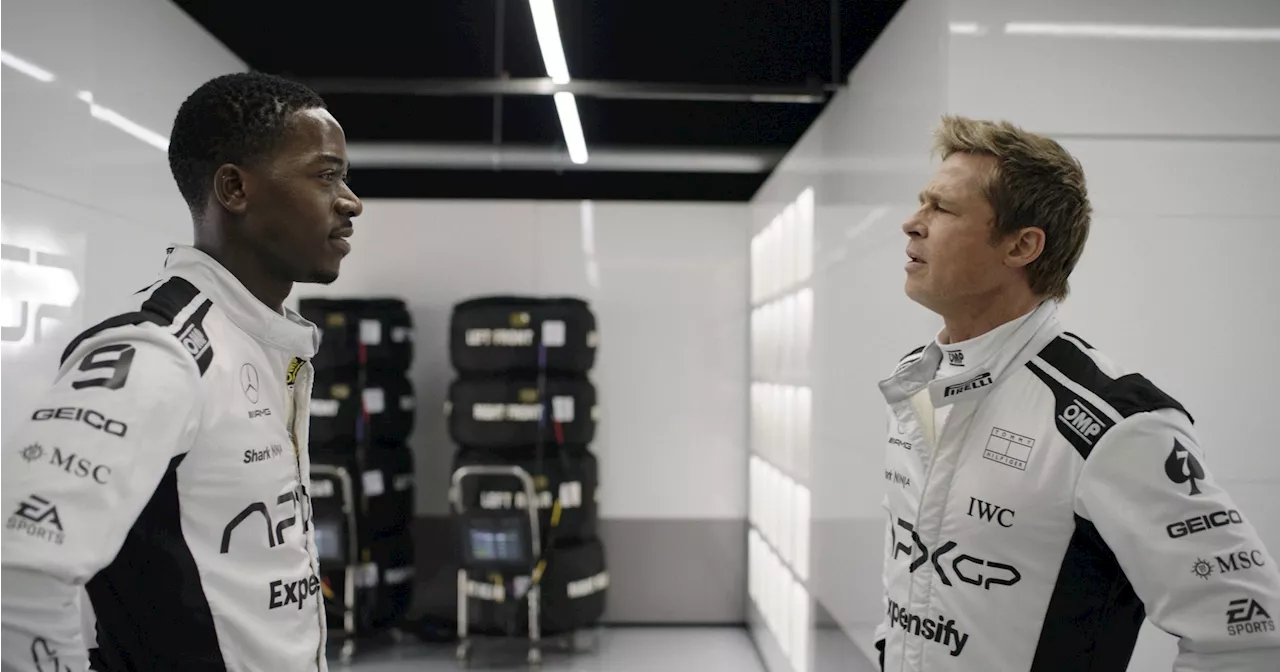
The announcement of the 2026 Oscar nominations has sparked intense debate among film enthusiasts, particularly over the recognition of the racing drama F1. The film, featuring Brad Pitt, received four nominations: Best Picture, Best Film Editing, Best Sound, and Best Visual Effects. In contrast, the highly anticipated musical Wicked: For Good was completely overlooked, prompting a wave of reactions on social media.
Critics and fans alike expressed disbelief that Wicked: For Good, the sequel to the successful Wicked, received no nominations despite its impressive box office performance of $524 million globally. The film starred Ariana Grande and Cynthia Erivo as Glinda and Elphaba, respectively, and many believed Grande was a strong contender for a Best Supporting Actress nomination.
“What a shock that F1 got nominated but not Wicked: For Good?” one user remarked on X. This sentiment was echoed widely, with many questioning the Academy’s decisions. “How did F1 get four Oscar nominations including Best Picture? I can’t believe it,” another fan commented, highlighting the ongoing debate about the criteria for nominations.
The absence of Wicked: For Good from the nominations list raises questions about the Academy’s decision-making process. Fans were particularly outraged by the lack of recognition for the film’s costume design, especially considering that Paul Tazewell won the award for the first film in 2024. “F1 made it to Best Picture nominees; Wicked could have easily made it to Best Costume Design,” one outraged fan stated.
Additionally, the nominations for the historical musical drama The Testament of Ann Lee were notably missing from the list, which further fueled the conversation about the Academy’s choices. Critics pointed out that both Wicked: For Good and The Testament of Ann Lee deserved recognition, particularly given their artistic achievements and the performances within them.
“The Oscars are always embarrassing,” one user lamented, “but nominating F1 for Best Picture and not giving a single nomination to Ann Lee is particularly embarrassing.” Others argued that performances by Amanda Seyfried in The Testament of Ann Lee warranted acknowledgment, suggesting that the Academy missed opportunities to recognize quality storytelling and acting.
Supporters of F1 defended the film’s nominations, citing its visual appeal and the significant impact it had on audiences. “F1 brought millions of people to the cinema and the editing and music drive the narrative beautifully,” one supporter wrote. The film’s nominations were seen by some as a reflection of its popularity and innovative execution.
In addition to F1, films nominated for Best Picture included Bugonia, Frankenstein, Hamnet, Marty Supreme, One Battle After Another, The Secret Agent, Sentimental Value, Sinners, and Train Dreams. The diversity among the nominees indicates a competitive year for the Academy, but the snubs surrounding Wicked: For Good and other films have sparked an ongoing dialogue about the nomination process and the criteria for selection.
As the awards season unfolds, the reactions to the nominations serve as a reminder of the passion that cinema ignites in audiences worldwide. Whether or not the Academy will address these concerns remains to be seen, but for now, the debate continues over which films truly deserve recognition in the ever-changing landscape of film industry accolades.