A heartfelt letter reveals the struggles of an individual grappling with feelings of isolation after enduring significant personal loss. The correspondent, who has been a caregiver for their mother suffering from dementia, expresses feelings of being abandoned by longtime friends during a challenging period marked by grief and caregiving responsibilities.
The writer recounts the past four years, during which they cared for their mother until her passing. Following this loss, the burden of managing the estate and supporting a brother with cerebral palsy added to their emotional strain. This period lasted approximately 18 months, during which the correspondent found themselves increasingly distanced from their social circle.
As the correspondent faced these challenges, two friends encountered their own hardships: one survived a battle with breast cancer, while another tragically lost her life to a brain tumor. Despite the gravity of these events, the writer felt blindsided by the lack of communication from their friends about these significant life changes.
“I feel terribly inconsequential,” the writer stated, highlighting a sense of guilt and abandonment that has become burdensome. They express a desire for support during their mourning, questioning whether they have become easily forgettable in the eyes of their friends.
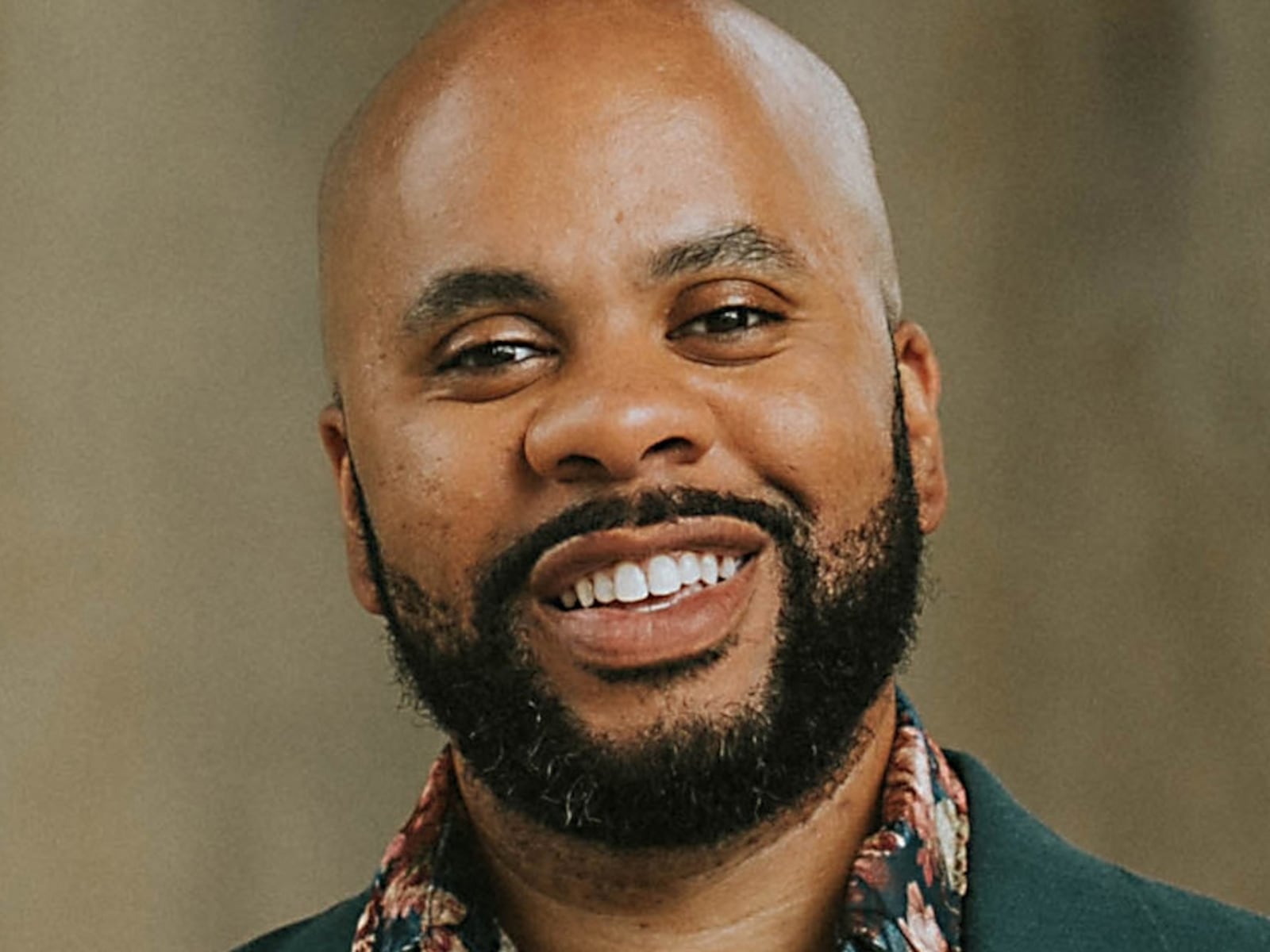
In response, Eric Thomas, the columnist behind the “Asking Eric” advice column, acknowledges the profound impact of social loss, particularly after the death of a family member and the loss of friends. He emphasizes the importance of communication and encourages the writer to reach out to their friends to discuss the changes in their relationships.
“Talk to them one-on-one about where you are, where you feel your relationship is, and what you’d like to be different,” Thomas advises. He suggests that the perceived distance might stem from miscommunication or an overabundance of sensitivity from friends who may fear burdening the writer during a tumultuous time.
The letter serves as a poignant reminder of the complexities of friendships during times of crisis. It underscores the need for open dialogue to address feelings of isolation and to rebuild connections that may have faltered under the weight of personal struggles. The writer’s situation reflects a broader reality faced by many who experience significant life changes, highlighting the importance of empathy and understanding in maintaining relationships.
Ultimately, reaching out and expressing one’s feelings may pave the way for healing and reconnection. The advice provided by Thomas offers a pathway forward, encouraging individuals to bridge gaps created by grief and misunderstanding.
For those seeking guidance on similar issues, letters can be directed to R. Eric Thomas at [email protected] or P.O. Box 22474, Philadelphia, PA 19110. Thomas also invites readers to follow him on Instagram and subscribe to his weekly newsletter at rericthomas.com.