
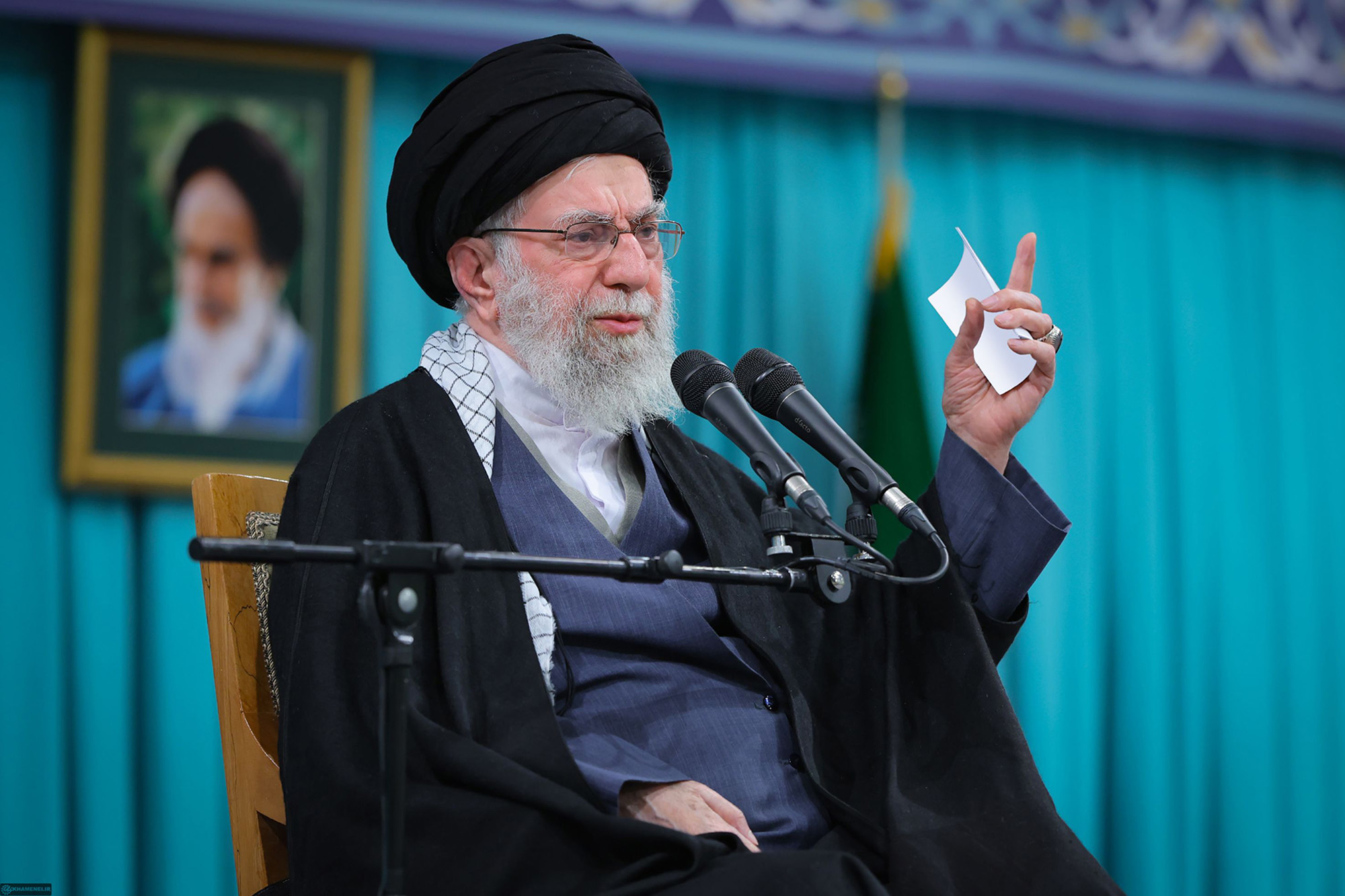
In response to escalating tensions with the United States, Ayatollah Ali Khamenei, Iran’s supreme leader, has retreated to a fortified underground bunker in Tehran. This move comes as the USS Abraham Lincoln aircraft carrier approaches the Persian Gulf, heightening concerns of potential airstrikes. Military officials within Iran have reportedly warned Khamenei of a significant threat of imminent US attacks, prompting his decision to seek refuge.
Khamenei, aged 86, has delegated day-to-day responsibilities to his youngest son, Masoud Khamenei, aged 53. According to a report from Iran International, Masoud Khamenei has assumed the role of primary liaison with the regime’s executive branch during this crisis. This shift in leadership underscores the gravity of the current situation.
Increased Military Presence Heightens Concerns
The tension between Iran and the United States has intensified following recent statements from Donald Trump. On March 15, 2024, Trump announced the deployment of warships to the Middle East, framing it as a warning to Khamenei amid ongoing exchanges of hostile rhetoric. He characterized the US naval deployment as a massive “armada” aimed at reinforcing American military presence in the region.
Currently, the Abraham Lincoln Carrier Strike Group, which consists of three destroyers, is navigating from the Indian Ocean to the Persian Gulf. This military maneuver has prompted Iranian officials to assess the likelihood of US airstrikes as being particularly high. Publicly, the Iranian government has maintained a defiant stance, with Masoud Pezeshkian, the Iranian President, issuing a stark warning that any attack on Khamenei would be viewed as “an all-out war against us.”
Consequences of Potential Conflict
In light of these developments, the Iranian Parliament’s national security commission declared that any assault on the supreme leader would lead to a declaration of jihad. This declaration indicates the potential for significant escalation if tensions continue to rise. The Iranian Students News Agency has reported this stance, reflecting the seriousness with which the Iranian government views the situation.
Since going underground, Khamenei has not made any public statements. His last post on social media platform X was dated January 17, 2024, raising questions about his current state and the implications of his silence. This is not the first instance of Khamenei retreating to a bunker; he had previously done so during a conflict with Israel in June 2023. Reports indicate that he even prepared a list of potential successors during that crisis.
His latest communications included threats towards both domestic and international “criminals” whom he blames for the widespread protests in Iran. These protests, which began on December 28, 2023, have been fueled by severe economic challenges exacerbated by one of the worst droughts in decades. Since those protests began, Iranian security forces have reportedly killed at least 3,000 civilians, with some organizations estimating the death toll could be as high as 20,000.
As the situation continues to unfold, the international community remains watchful of both Iran’s internal dynamics and its escalating confrontation with the United States. The complexities of this geopolitical crisis highlight the delicate balance of power in the region and the potential consequences of military action.


