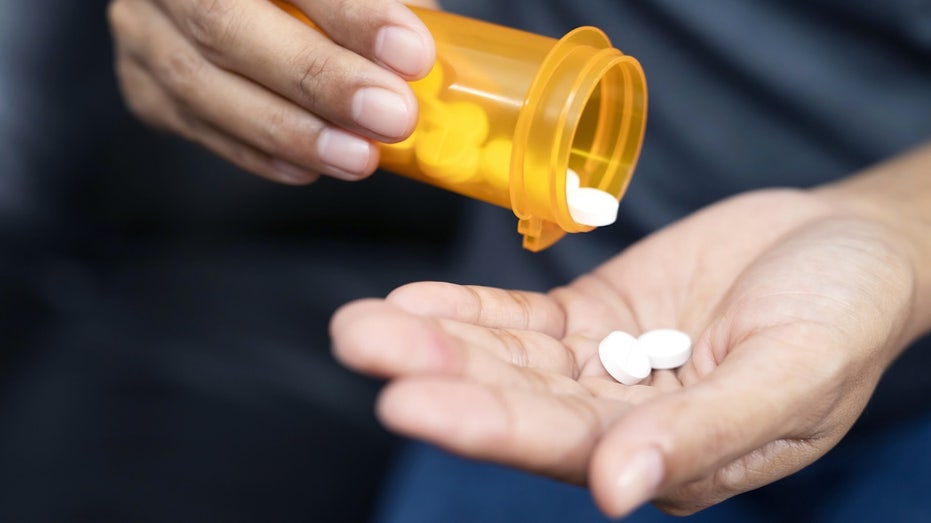
Engineers at the Massachusetts Institute of Technology (MIT) have created a revolutionary smart pill that confirms when a patient has swallowed their medication. This advancement aims to tackle the critical issue of medication adherence, which poses serious health risks for many individuals. By providing real-time confirmation of ingestion, this technology has the potential to enhance treatment tracking for healthcare providers and support patients in maintaining their prescribed regimens.
How the Smart Pill Functions
The innovative system integrates a tiny, biodegradable radio-frequency antenna made from zinc and cellulose within standard pill capsules. These materials are recognized for their safety in medical applications. The process unfolds as follows: after swallowing the capsule, its outer coating dissolves in the stomach. Subsequently, the pill releases both the medication and the antenna, which sends a radio signal to confirm ingestion. This entire sequence occurs within approximately ten minutes. An external receiver, which could be incorporated into a wearable device, can detect the signal from a distance of up to two feet.
What sets this smart pill apart from previous designs is its safe breakdown within the body. Earlier versions contained components that remained intact during digestion, raising concerns about long-term safety. In contrast, the majority of the antenna dissolves within days, leaving only a small, commercially available RF chip that naturally passes through the digestive system. According to lead researcher Mehmet Girayhan Say, the aim is to ensure the system avoids long-term buildup while still reliably confirming ingestion.
Targeted Beneficiaries of the Technology
The smart pill is not intended for all medications but focuses on scenarios where missing doses poses significant dangers. Potential beneficiaries include individuals such as organ transplant patients who require immunosuppressants, those battling chronic infections like tuberculosis or HIV, and patients recovering from recent stent procedures. For these groups, strict adherence to medication regimens can be crucial, often determining recovery outcomes and preventing serious complications.
Senior author Giovanni Traverso underscores that the primary focus of this research is improving patient health rather than monitoring individuals. The findings of this study were published in Nature Communications, and the research team plans to conduct further preclinical testing, with human trials anticipated as the technology approaches real-world application. This research has received funding from various sources, including Novo Nordisk, the MIT Department of Mechanical Engineering, the Brigham and Women’s Hospital Division of Gastroenterology, and the U.S. Advanced Research Projects Agency for Health.
The challenge of medication adherence remains significant, contributing to hundreds of thousands of preventable deaths annually and adding billions of dollars to healthcare costs. This issue predominantly affects patients requiring long-term treatment, such as organ transplant recipients, those managing tuberculosis, and individuals with complex neurological conditions. For these patients, missing doses can have life-altering consequences.
As the smart pill technology progresses, it promises to enhance patient safety and reduce the guesswork for healthcare providers. Nevertheless, it also raises critical questions about privacy, consent, and the sharing of medical data. Any future rollout of this technology will necessitate robust safeguards to protect patient information.
For those relying on essential medications, this technology could introduce a vital layer of safety. While waiting for its implementation, patients can still utilize built-in tools on their smartphones to track their medication schedules effectively.