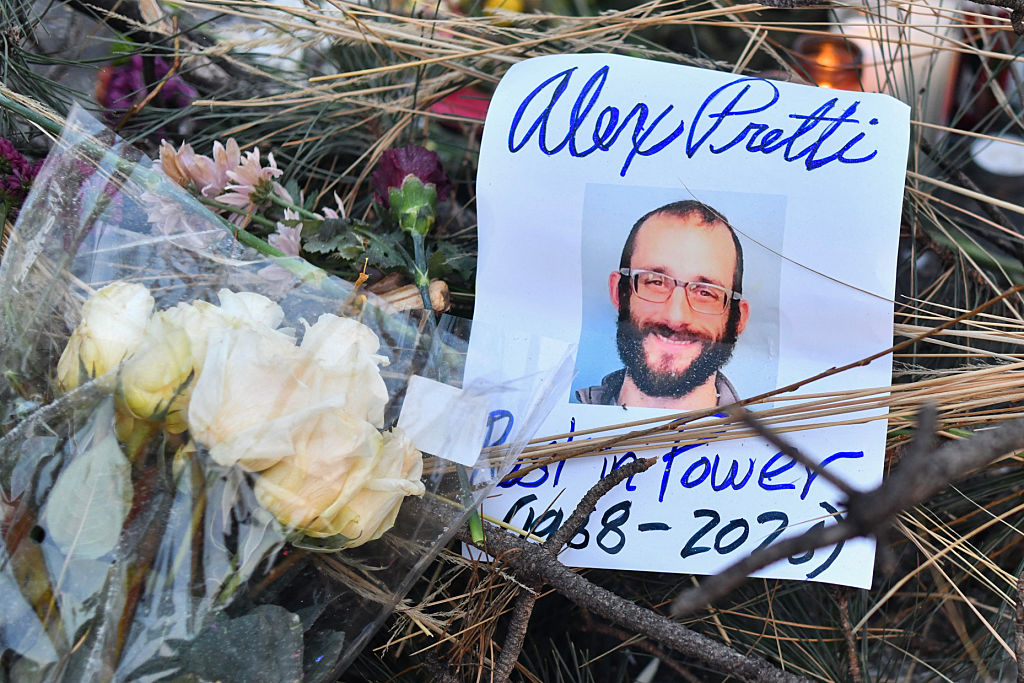
A federal immigration operation in Minneapolis resulted in the death of a local nurse, prompting widespread protests and intense scrutiny of the government’s narrative. On March 15, 2024, Alex Jeffrey Pretti, a 37-year-old intensive care nurse at the Minneapolis VA Health Care System, was shot during an encounter with a U.S. Border Patrol agent. Initial reports from federal officials indicated that the agent acted in self-defense, claiming that Pretti approached officers with a handgun and failed to comply with commands.
As investigations progressed, video evidence began to contradict the official account. Footage reviewed by journalists shows Pretti holding what appears to be a cellphone rather than a firearm in the moments leading up to the shooting. Witnesses have also stated that he did not lunge at the officers or pose a threat. The state of Minnesota has publicly questioned the federal narrative, with state investigators reporting that federal agents initially denied them access to the scene, even after a search warrant was issued.
Pretti’s colleagues and family described him as a compassionate and dedicated caregiver who spent his career serving veterans and critically ill patients. He legally owned a firearm under Minnesota law and had no criminal record. Despite this, federal officials have selectively framed his death as unavoidable, leading to significant backlash from the community.
Growing Tensions and Calls for Accountability
Pretti’s death marks the third shooting involving federal agents in Minneapolis in recent weeks. Earlier incidents, including the shooting of Renee Good, have also raised questions about the use of deadly force by federal agents. In each case, the initial narrative suggested that the individuals involved “deserved” their fates, only for subsequent video evidence to complicate those claims.
Protests erupted across Minneapolis within hours of Pretti’s death, continuing despite harsh winter weather conditions. Demonstrators have called for federal agents to withdraw from the city and are demanding accountability from the Department of Homeland Security. Critics accuse the agency of attempting to manipulate public perception before all facts have been disclosed.
The implications of Pretti’s death extend beyond local protests. Lawmakers in Washington have cited the incident while advocating for a reevaluation of funding for the Department of Homeland Security and Immigration and Customs Enforcement (ICE), emphasizing that the agency’s use-of-force policies require urgent review. However, some officials have defended the agents involved, maintaining that enforcement officers face increasing dangers, even as the details surrounding this case remain contested.
A Pattern of Distrust
The recurring theme in these incidents is clear: federal officials have rushed to justify lethal force through narratives that quickly crumble under scrutiny. Video evidence has consistently challenged these accounts, leaving the public to grapple with the critical question of how many times authorities can misrepresent the facts before trust in their statements erodes completely.
As investigations into Pretti’s death continue, it has evolved into a significant moment for accountability. The case is no longer merely about a single tragedy; it raises vital questions regarding the importance of truth and the integrity of governmental narratives in the face of mounting evidence. The ongoing situation underscores the pressing need for transparency and accountability in law enforcement practices, especially as communities seek justice and answers in the wake of such devastating events.