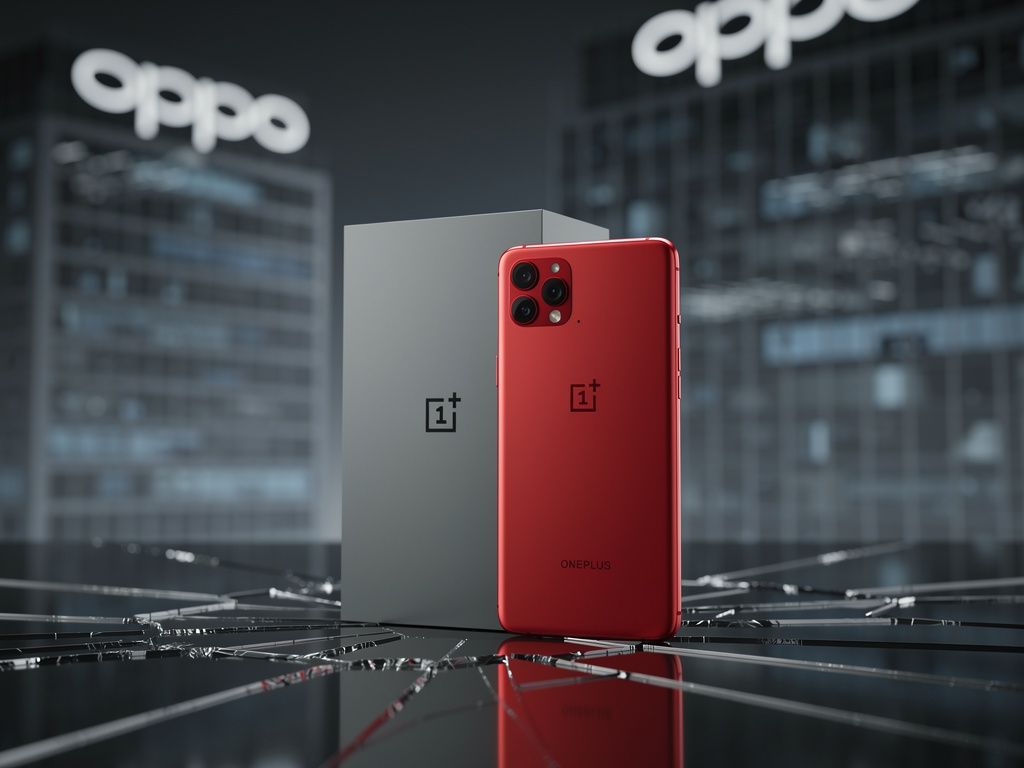
OnePlus has officially denied rumors suggesting it may cease operations in Europe, but concerns regarding its future persist. Following a post on the social media platform X, where OnePlus President and COO Kinder Liu labeled the speculation as “false,” the smartphone industry remains uneasy. Reports indicated that OnePlus might be pulling out of Europe and discontinuing its foldable devices, raising alarms among its loyal customer base.
Industry Context and Ongoing Doubts
The denial from Liu, who emphasized that the company is committed to global markets and its innovative foldable line, did little to quell the underlying anxiety. Observers note that the rumors reflect deeper issues within OnePlus, particularly its identity as it increasingly aligns with its parent company, Oppo. The unease is heightened by the backdrop of Oppo’s recent challenges in European markets, primarily due to a patent dispute with Nokia that resulted in a sales ban enforced by a German court ruling in 2022.
These events have created a ripple effect of uncertainty across the continent, leading many to view OnePlus’s potential exit as a plausible scenario. Although OnePlus has resolved its own legal disputes with Nokia, the memory of Oppo’s struggles lingers, making it difficult for OnePlus to assert its independence.
As cited by Reuters, the operational entanglements between OnePlus and Oppo mean that any significant changes at one company are perceived to directly impact the other. This interconnectedness complicates OnePlus’s efforts to distance itself from Oppo’s issues and reinforces the perception that the two brands share a collective fate.
A Shift in Identity
At the core of the current situation lies a shift in OnePlus’s corporate structure that began in 2021. Once celebrated for its independent startup ethos, OnePlus merged its operations with Oppo to increase efficiency and resource access. While CEO Pete Lau assured stakeholders that OnePlus would maintain its brand identity, critics argue that the integration has led to the “Oppo-fication” of OnePlus.
This shift has resulted in shared hardware designs, with some OnePlus devices resembling rebranded Oppo models. More critically, the software experience has undergone significant changes. The merging of OxygenOS with ColorOS has diluted what once distinguished OnePlus from its competitors. Users have reported that OxygenOS now mirrors its Oppo counterpart, undermining the brand’s unique appeal.
The erosion of autonomy has fostered a trust deficit among OnePlus’s core user base. Initial assurances regarding brand distinction ring hollow to many, particularly following the recent rumors about potential operational shutdowns. Liu’s firm denial is overshadowed by a history of statements that downplayed the extent of the merger with Oppo, making it increasingly challenging for the market to accept the company’s reassurances.
One of the most alarming claims was that the ColorOS team would assume full control over OxygenOS development, a move that aligns with the trajectory observed by industry analysts. In a market that thrives on brand loyalty and distinct value propositions, OnePlus’s perceived lack of transparency poses a significant challenge.
Strategic Positioning in a Competitive Market
While the rumors of a shutdown have been quashed, they highlight pressing questions about OnePlus’s strategic positioning. The brand has found success in markets like India, where it competes fiercely in the premium smartphone segment. However, its presence in the North American and European markets is less robust. In these regions, OnePlus faces tough competition not just from giants like Apple and Samsung, but also from aggressive pricing strategies employed by other Chinese brands and the rising popularity of Google’s Pixel line.
The challenge for OnePlus now extends beyond creating exceptional devices. It must articulate a compelling reason for consumers in cities like London and New York to choose its products. As hardware becomes increasingly indistinguishable from Oppo’s and software resembles ColorOS, the core value proposition of OnePlus becomes questionable. The merger intended to enhance competitiveness has simultaneously obscured the brand’s identity that once made it appealing as an alternative in the smartphone market.
Moving forward, OnePlus will need to focus not only on refuting rumors but also on rebuilding its credibility and distinctiveness within the expansive BBK Electronics ecosystem. The brand must demonstrate that it is more than a secondary player in Oppo’s global ambitions, carving out a unique identity that resonates with its customer base.