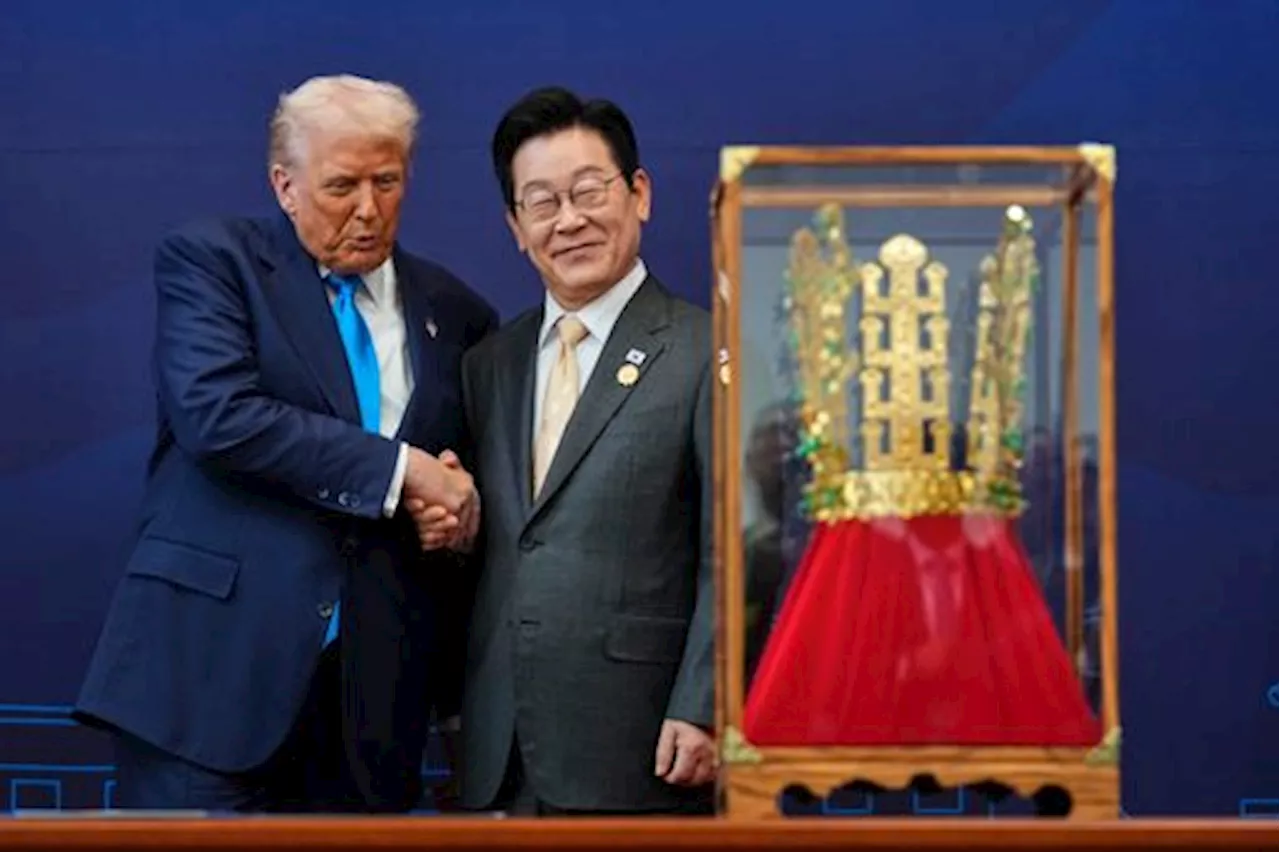
US President Donald Trump has announced a significant increase in tariffs on South Korean goods, raising them from 15% to 25%. This decision comes as a response to the South Korean National Assembly’s failure to approve a previously negotiated trade deal, which Trump claims was agreed upon in a meeting with South Korean President Lee Jae-myung on July 30, 2025.
Trump expressed his dissatisfaction with the South Korean legislature on his Truth Social platform, stating, “Our Trade Deals are very important to America. In each of these Deals, we have acted swiftly to reduce our TARIFFS in line with the Transaction agreed to. We, of course, expect our Trading Partners to do the same.” He further criticized the legislature for not fulfilling its obligations under the agreement, which was reaffirmed during his visit to South Korea on October 29, 2025.
Details of the Trade Agreement
The trade agreement, finalized after Trump’s October meeting with Lee, included commitments from South Korea to increase investments in the United States while the US intended to lower tariffs on South Korean exports. Under the terms of the pact, the US would reduce tariffs on South Korean automobiles, car parts, and pharmaceuticals from an existing rate of 25% to 15%.
Trump’s latest tariff hike threatens to reverse these reductions, impacting a crucial sector of the South Korean economy. The auto industry is particularly vulnerable, as it constitutes approximately 27% of South Korea’s exports to the United States, with nearly half of the country’s car exports directed to the US market.
Increased tariffs would create competitive disadvantages for South Korean products compared to those from countries like Japan and members of the European Union, which have secured their own trade agreements with the United States at the 15% tariff rate.
Implications for South Korea
The move has raised concerns among South Korean officials and businesses alike. The potential reversal of tariff reductions could lead to higher costs for consumers and manufacturers within South Korea, impacting the overall economy. Analysts suggest that if tariffs are implemented as proposed, South Korea might need to reassess its trade strategies with the United States and other partners to mitigate potential losses.
As negotiations and political discussions continue, the impact of Trump’s decision on the broader trade landscape remains to be seen. South Korean lawmakers are under pressure to act swiftly to avoid further escalation in trade tensions with the United States.