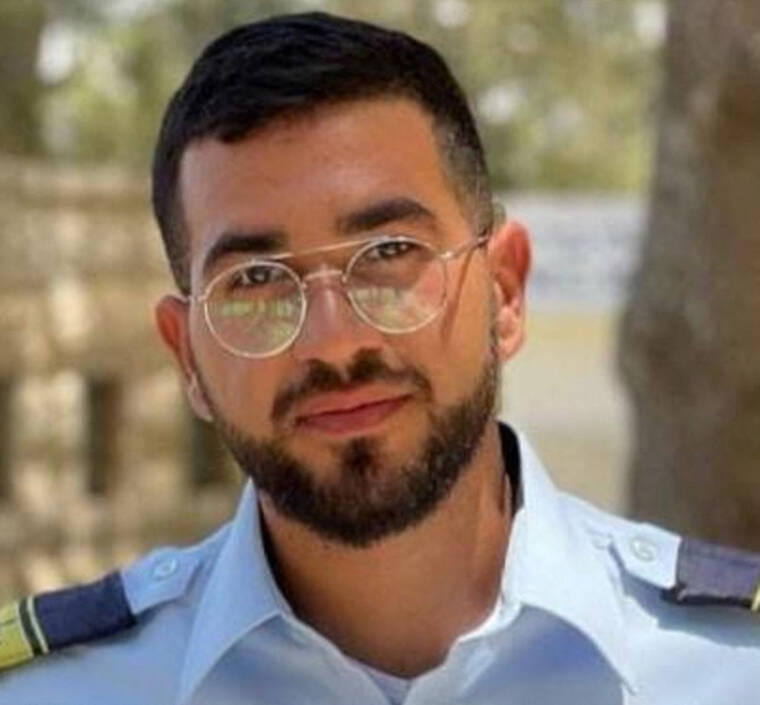
Israel has recovered the remains of the last remaining hostage held in Gaza, fulfilling a significant milestone in the ongoing conflict. The military confirmed that the remains of police officer Ran Gvili, who had been held in Gaza for over 840 days, have been identified and will be returned for burial. This development aligns with the initial phase of a broader plan, proposed by former U.S. President Donald Trump, aimed at resolving the war in the Palestinian territory.
Reopening of Rafah Crossing in Sight
The recovery of Gvili’s remains may facilitate a limited reopening of the Rafah Crossing, the primary route for Gaza’s access to Egypt. The Palestinian committee of technocrats, endorsed by the U.S., indicated that the border crossing is expected to open this week. However, a government spokesperson did not provide a specific date for the reopening.
Gvili had been taken captive during a brutal attack by Hamas on October 7, 2023, which targeted southern Israeli communities and triggered a two-year offensive by Israel. Visuals broadcasted on Israeli news channels depicted soldiers at the site where Gvili’s body was found, singing a Hebrew song that reflects Jewish hope and faith. Another image showed a casket draped in the Israeli flag, surrounded by military personnel.
In a poignant moment, Gvili’s mother, Talik, honored her son’s memory on social media, referring to him as a hero. Gvili was off duty recovering from an injury when he was killed while confronting Hamas militants. Israeli Prime Minister Benjamin Netanyahu characterized the discovery of Gvili’s remains as an “unbelievable achievement for the State of Israel.” He remarked, “Rani is a hero of Israel, who went in first and he emerged last.”
National Healing and Future Prospects
Gvili was among the 251 hostages taken by militants during the October attack. At the time of a ceasefire agreement in October, 48 hostages remained in Gaza, with 28 believed dead, including Gvili. The return of all remaining hostages, both living and deceased, was a core commitment of the first phase of the deal. Despite this, other aspects of the agreement remain unfulfilled, leading to significant divisions regarding future steps.
In Israel, the return of Gvili’s body is anticipated as a moment of national healing. The October attack, which resulted in the deaths of approximately 1,200 people, has been described as one of the most traumatic events in the country’s history. Throughout Israel, buildings and homes have displayed yellow ribbons and posters featuring the faces of hostages, while weekly protests at a Tel Aviv plaza dubbed “Hostages Square” have called for their return.
Even before Gvili’s remains were found, the Trump administration announced a continuation of the U.S.-led plan to end the conflict, which aims to include the reconstruction of Gaza and the demilitarization of the territory. In a statement, Hamas spokesperson Hazem Qassem affirmed that the discovery of Gvili’s remains underscores Hamas’ dedication to the agreement. “We will continue to uphold all aspects of the agreement, including facilitating the work of the national Gaza administration and ensuring its success,” Qassem stated, referring to the technocratic committee overseeing Gaza.
Initially, the border crossing was supposed to open as part of the first phase of the plan to end the war. Israeli officials had previously resisted this, insisting that Hamas must first return Gvili’s body. Reports indicate that Israel seeks to control the number of Palestinians entering Gaza through the border crossing, aiming to maintain a balance of fewer entrants than those departing, all while screening individuals at a nearby Israeli military checkpoint.
As the conflict continues, the toll has been severe. Israeli authorities report that the October 2023 attack claimed the lives of 1,200 individuals, while Gaza’s health authorities estimate that 71,000 Palestinians have died as a result of the ongoing Israeli military response.