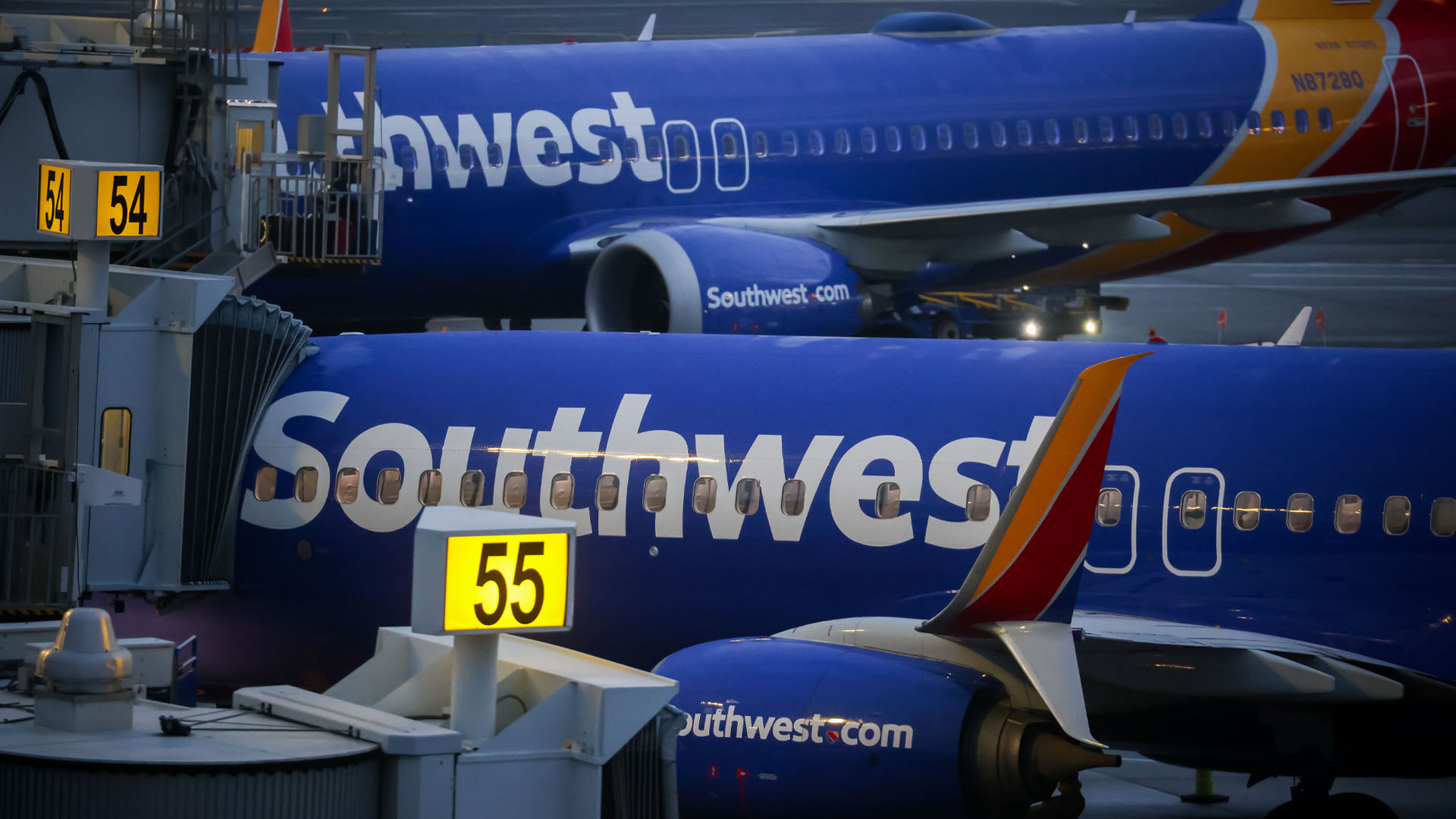
A new seating policy implemented by Southwest Airlines has sparked significant criticism among travelers, particularly regarding its impact on plus-size passengers. Effective from today, the airline’s double-seat purchase policy mandates that passengers who “encroach upon the neighboring seat” must buy an additional ticket. This change has generated a heated debate online, as many perceive it as a discriminatory move against larger passengers.
Under the new rules, if a passenger is deemed to require an extra seat, they may be forced to purchase one at the airport. While Southwest Airlines has stated that it will refund these additional tickets under certain conditions—such as if the flight departs with at least one available seat—the specific criteria for determining when a second seat is necessary remain unclear. This ambiguity has left many passengers feeling vulnerable and uncertain.
Tigress Osborn, executive director of the National Association to Advance Fat Acceptance, expressed her concerns in an interview with The New York Times. She highlighted the change as a significant setback, stating, “Southwest was the only beacon of hope for many fat people who otherwise wouldn’t have been flying, and now that beacon has gone out.” This sentiment reflects a broader frustration among advocates for body positivity and inclusivity.
Previously, Southwest Airlines allowed passengers to occupy an extra seat at no additional cost, a policy that many viewed as accommodating. Now, travelers report feeling anxious about how the new policy will affect their flying experience. One Reddit user recounted their experience with a friend who frequently flies for work and often buys an extra seat. The user noted that on multiple occasions, a flight attendant filled the extra seat with a standby passenger, leading to confusion and dissatisfaction among those affected.
The policy has been labeled “fatphobic” by critics, who argue that it highlights a troubling trend within the airline industry. As one user on social media stated, “Fatphobic seating policies, taking away free checked bags, and now they’re changing to assigned seating, Southwest who tf do you think you are?” This sentiment underscores a growing concern that airlines are prioritizing profit over the comfort and dignity of their passengers.
Osborn also emphasized that Southwest Airlines once set a standard for accommodating larger passengers, stating, “This was not just an industry leader but an example to other industries that accommodating people in the body they have today is an important business practice.” The NAAFA has called on the airline to uphold its commitment to creating “friendlier skies for all bodies” by ensuring ongoing support for customers of size and disabled passengers.
As reactions continue to unfold, Southwest Airlines has yet to provide a detailed response to the growing backlash. The U.S. Sun’s request for comment was not immediately addressed, leaving many passengers wondering how the airline will navigate this contentious issue moving forward.
With air travel becoming increasingly complex, the implications of such policies extend beyond the individual experience; they reflect broader societal attitudes towards body image and inclusivity. As travelers await a more comprehensive response from the airline, the conversation surrounding this policy is likely to evolve, with advocates pushing for more equitable practices in the aviation industry.