The recent shootings involving U.S. Immigration and Customs Enforcement (ICE) agents in Minneapolis, where two American citizens, Renee Good and Alex Pretti, lost their lives, have triggered significant political ramifications. Lawmakers from New York are now reconsidering their positions on funding bills intended to keep the government operational, raising the specter of a possible government shutdown.
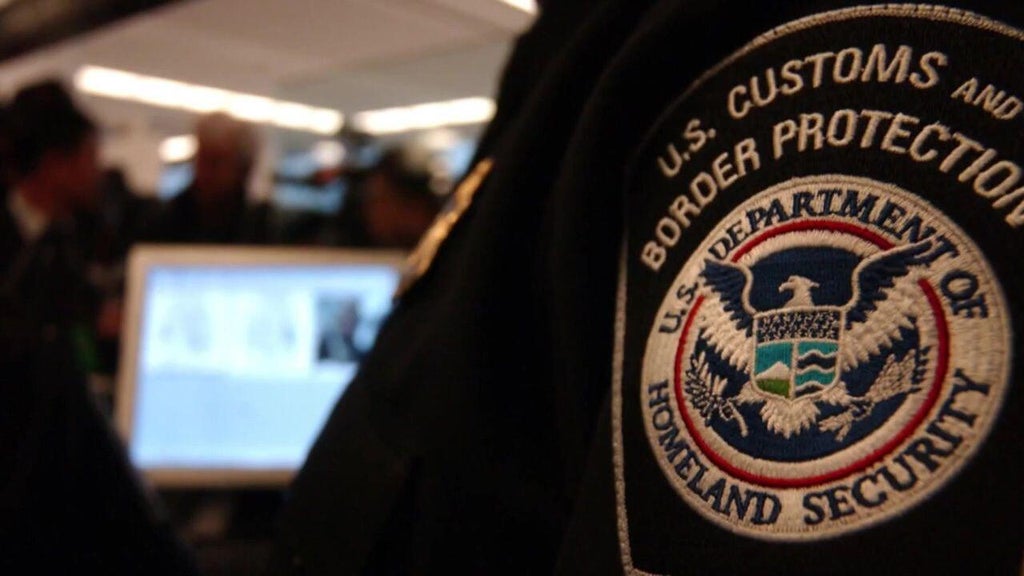
New York’s congressional representatives are grappling with the fallout from these events, which have intensified scrutiny on ICE and the Department of Homeland Security (DHS). Senate Minority Leader Chuck Schumer has taken a firm stance, stating that Senate Democrats will refuse to support any funding bills that allocate resources to DHS unless significant changes are made. The deadline for a resolution looms this weekend, creating urgency among lawmakers.
In a statement to CBS News New York, Schumer expressed his outrage, saying, “I felt like I was punched in the stomach. I looked at those pictures, those videos, over and over again and said this can’t be America. This is some kind of fascist dictatorship.” His comments reflect a broader concern among legislators regarding the public’s perception of government actions and the potential impact on the upcoming midterm elections.
The stakes are high, as another government shutdown could destabilize the economy and influence voter sentiment ahead of the elections. Republican Mike Lawler, representing parts of lower Hudson Valley, has called for a bipartisan approach to immigration enforcement, advocating for measures such as securing the border and establishing pathways for undocumented individuals who have been in the country long-term. He emphasized the need for a calm and constructive dialogue, stating, “There’s gotta be a de-escalation here.”
Lawler’s position underscores the pressure on lawmakers in swing districts, where public opinion can shift rapidly. He is aware of the potential political consequences of the recent ICE actions and is advocating for a non-partisan investigation into the events in Minnesota. Lawler urged colleagues to focus on unity, stating, “Calling ICE the Gestapo or calling citizens domestic terrorists is not helping anybody, and it needs to stop.”
Other local representatives are feeling the heat as well. Rep. Tom Suozzi of Long Island recently acknowledged the backlash from constituents regarding his vote on a DHS funding bill. In a message to his constituents, Suozzi admitted, “I failed to view the DHS funding vote as a referendum on the illegal and immoral conduct of ICE in Minneapolis. I hear the anger from my constituents, and I take responsibility for that.”
Alongside Suozzi, Rep. Laura Gillen is also navigating the political fallout as one of the seven Democrats who broke from party lines to support the funding bill. Their decisions are under scrutiny, particularly in the context of upcoming elections where their constituencies may have strong feelings about immigration policy and law enforcement practices.
As the situation unfolds, the potential for a government shutdown looms large, with lawmakers facing mounting pressure to find common ground. The recent events in Minneapolis have not only rekindled debates over immigration enforcement but also reshaped political strategies for those representing vulnerable districts. The next steps taken by Congress will determine not only the future of funding for DHS but also the political landscape leading into the midterms.