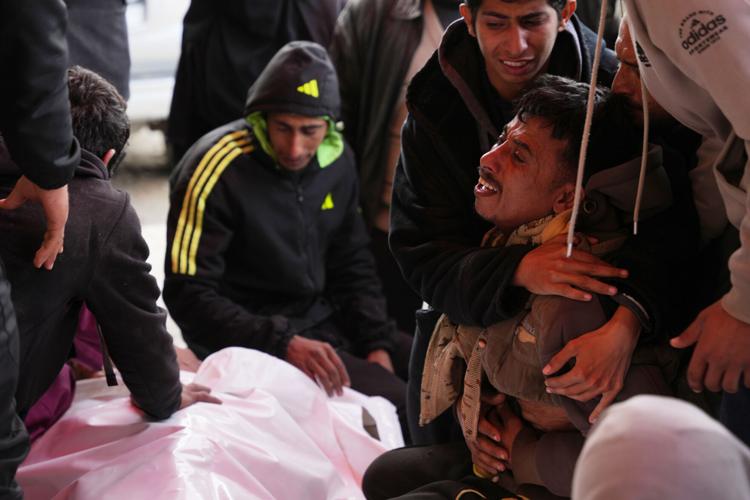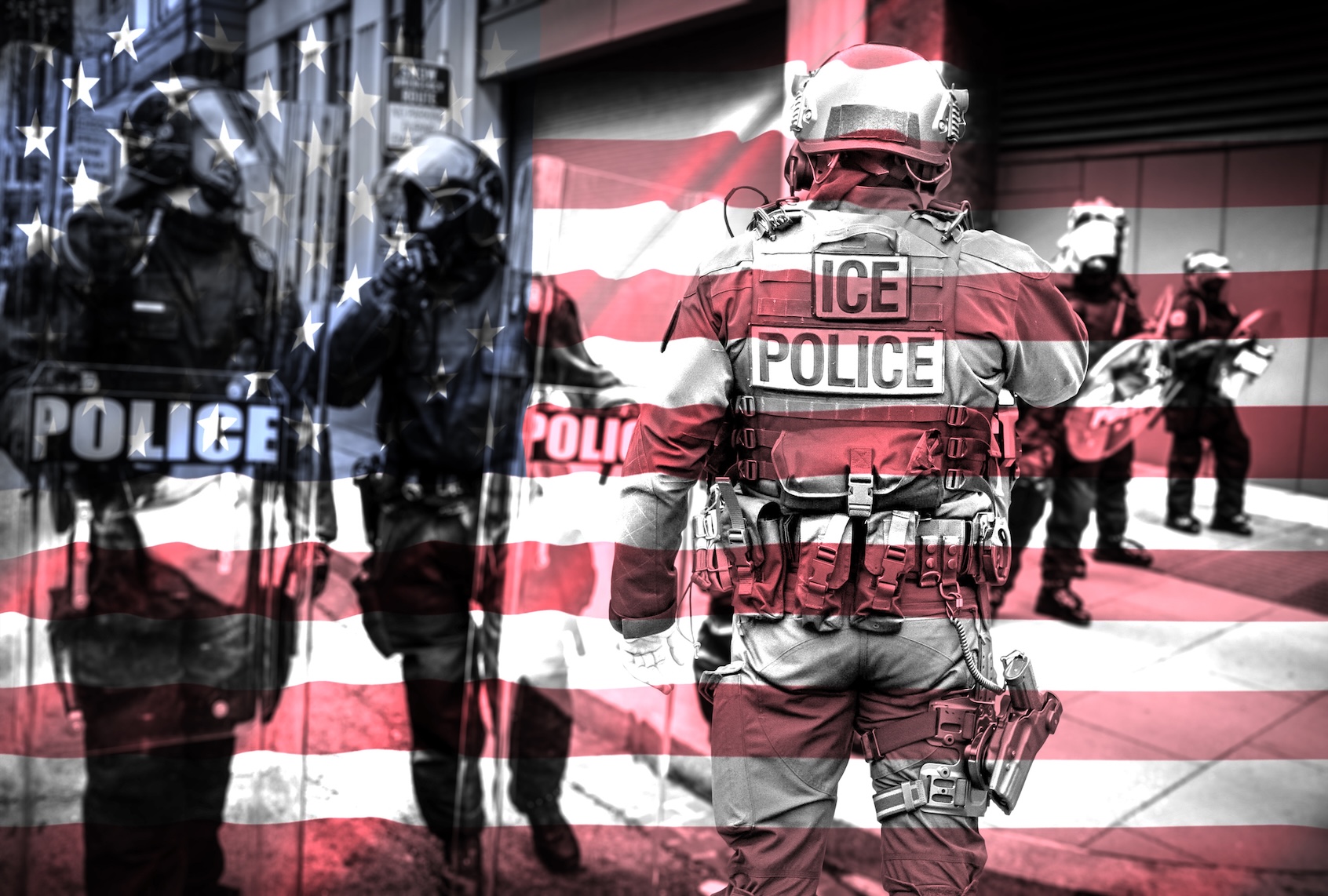
The shooting of Alex Pretti by Border Patrol agents in Minneapolis has ignited widespread condemnation and calls for accountability within U.S. federal law enforcement. On March 15, 2024, Pretti, a 37-year-old American citizen and nurse, was fatally shot multiple times while being restrained by agents, raising serious questions about the use of force and the policies driving immigration enforcement under the current administration.
The incident occurred just one day after reports surfaced regarding Immigration and Customs Enforcement (ICE) agents in Eagle County, Colorado, who allegedly left playing cards, specifically ace of spades, in the vehicles of detained Latino immigrants. These cards, which are historically linked to acts of violence during the Vietnam War, have been interpreted as a chilling symbol of the aggressive tactics employed by federal agencies. A spokesperson for the Department of Homeland Security condemned the actions as unauthorized and pledged an investigation.
Pretti was known for his compassion and dedication, having worked at a local Veterans Affairs hospital. Friends and family described him as kind and generous, a stark contrast to the portrayal of him as a “domestic terrorist” by some officials following his death. Video footage contradicts these claims, showing that he posed no threat to the agents involved.
The response from the Trump administration has been characterized by a defensive posture, with officials attempting to shift blame onto Pretti. This incident is not isolated; it reflects a broader pattern of violence associated with the administration’s stringent immigration policies, which critics argue have created an environment where federal agents operate with impunity.
Escalating Tensions and Public Outcry
As public outrage over Pretti’s killing grows, even some within the Republican party have expressed concern. Former Presidents Barack Obama and Bill Clinton, along with current President Joe Biden, have condemned the violence and emphasized that such actions violate fundamental American values. Obama described the killing as “a heartbreaking tragedy” and a wake-up call for Americans to reflect on the state of democracy in the country.
The administration’s narrative surrounding its immigration policies is faltering, with recent polls indicating that support for Trump’s approach has fallen below 50%. In a notable shift, Trump indicated a desire to “de-escalate” tensions in Minneapolis, although specifics about what this entails remain unclear.
Meanwhile, the demotion of Gregory Bovino, the Border Patrol commander at large, has raised questions about whether such leadership changes will lead to substantial reforms or merely replace one figure with another who shares similar ideologies. The broader issue of “vice signaling,” a term that describes the actions of those who openly disregard moral standards to gain favor within their group, is becoming increasingly relevant in this context. Critics argue that the administration’s approach fosters an environment where violence is normalized.
The Broader Implications of Policy and Violence
The implications of these events extend beyond individual incidents; they reflect a troubling trend in U.S. governance. The Supreme Court’s rulings have effectively granted Trump considerable leeway, allowing him to operate outside traditional legal constraints. This power dynamic has trickled down, influencing the behavior of federal agents who perceive their roles as enforcers of a divisive ideology rather than protectors of the community.
Philosopher Olúfẹ́mi O. Táíwò has noted that vice signaling serves as a means of communicating power and control, emphasizing a disconnect between the administration’s rhetoric and the lived experiences of citizens. This growing divide has prompted calls from public figures and scholars for a reevaluation of the moral underpinnings of U.S. immigration policy.
As the country grapples with the fallout from these events, the tragic killing of Alex Pretti serves as both a poignant reminder of the human cost of aggressive immigration enforcement and a catalyst for renewed discussions on the ethical responsibilities of government agencies. The ongoing struggle for accountability and justice in the face of such violence is emblematic of broader societal challenges that demand urgent attention.
The unfolding situation in Minneapolis and its implications for national policy illustrate the urgency for pro-democracy advocates to challenge the prevailing narrative and seek substantive change. The lessons learned from these tragic events will shape the future of American society and governance for years to come.