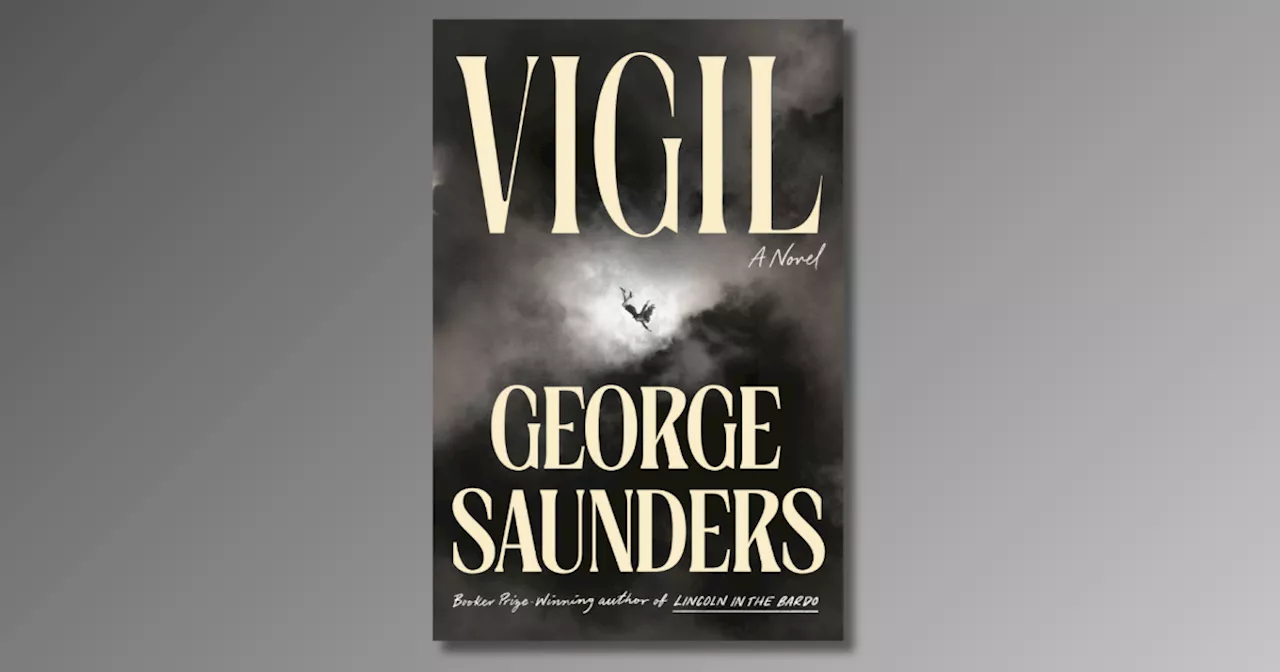
George Saunders’ latest novel, “Vigil,” revisits the concept of the Bardo, a Tibetan Buddhist state between life and death. The narrative centers around the passing of oil company CEO K.J. Boone, whose life and actions raise questions about morality and existence. This exploration of mortality, regret, and the nature of life draws parallels to the experiences of readers, linking contemporary issues to historical contexts.
In “Vigil,” Boone embodies the archetype of a corporate leader who prioritizes profit over ethics. He has manipulated scientific data to sustain his oil company’s interests, epitomizing the excesses of American capitalism. As Boone lies on his deathbed, he encounters Jill “Doll” Blaine, a seasoned spiritual facilitator who has guided over 340 souls through their transitions. Jill’s mission is to provide comfort and encourage reflection on one’s life choices, yet Boone remains resistant, oblivious to the consequences of his actions.
The narrative takes a darker turn as Jill’s memories resurface, revealing her longing for her past life. A wedding taking place near Boone’s home prompts her to reflect on her own losses, including her deceased parents. In a poignant moment, Jill recalls visiting their graves, grappling with the existential question: “What was the point of it all?” This contemplation highlights the emotional weight of the afterlife and the impact of unresolved grief.
Saunders contrasts Boone’s corporate greed with Jill’s introspective journey, capturing the tension between the profane and the spiritual. As Jill navigates her dual roles of facilitator and a woman yearning for connection, the novel shifts its focus, allowing her character to come alive. The author expertly blends humor with profound themes, creating a narrative that resonates with readers seeking deeper understanding.
Critics have noted that while “Vigil” offers a compelling return to the Bardo, Boone’s character may come across as a stereotype rather than a fully realized individual. As Maureen Corrigan, book critic for NPR’s “Fresh Air,” observes, the novel shines when it centers on Jill, whose flaws and humanity reflect the complexity of existence.
In “Vigil,” Saunders employs a vibrant narrative style that weaves together elements of comedy and tragedy. He has been praised for his ability to evoke empathy and challenge readers to confront their own lives. The novel’s exploration of life and death serves as a reminder of the fragility of human experience and the universal quest for meaning.
“Vigil” not only revisits the Bardo but also invites readers to reflect on their own lives, urging a deeper understanding of the choices that shape existence. Through this thought-provoking narrative, George Saunders continues to establish himself as a significant voice in contemporary literature, bridging the gap between the mundane and the profound.