Calls for a boycott of the upcoming World Cup 2026 in North America have emerged as a way to oppose the political climate under Donald Trump. This sentiment gained momentum following the recent killing of Alex Pretti in Minneapolis, prompting discussions across various media platforms. A broad search reveals numerous articles from notable outlets, including the New York Times, CNN, and the Guardian, echoing a common theme: the idea of a boycott is gaining traction, yet remains highly improbable.
Reports indicate that the notion of boycotting the World Cup has transitioned from niche discussions among liberal circles to mainstream conversations. The calls for action reference a limited array of evidence, such as a public petition in the Netherlands and remarks from a German soccer executive. However, most articles caution against the likelihood of any boycott occurring without a significant international incident. For instance, by Saturday afternoon, Germany’s soccer federation reaffirmed its commitment to participate in the tournament.
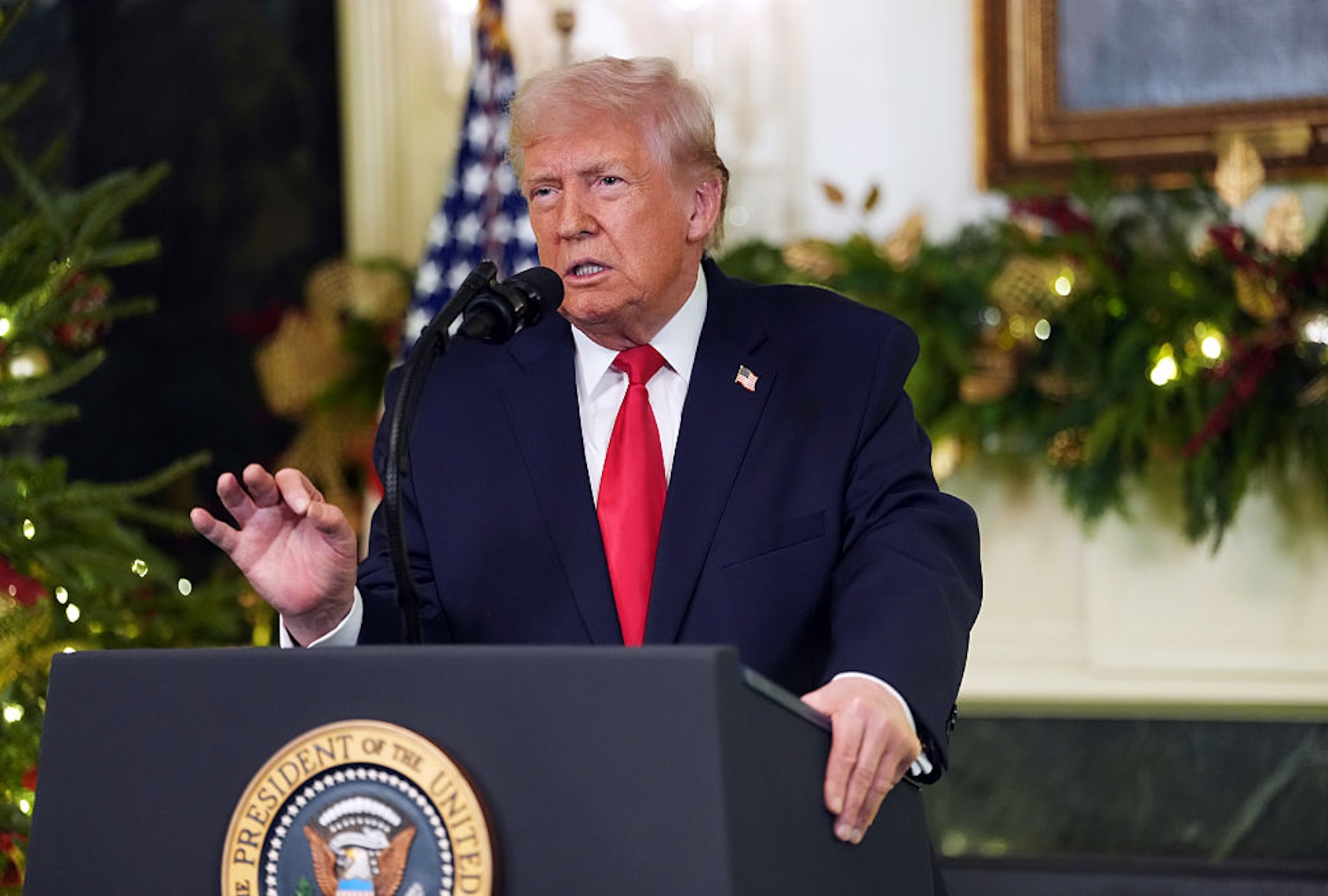
Given the current geopolitical landscape, the appeal of a boycott is understandable. Global opinion toward the United States has shifted dramatically, particularly during Trump’s presidency. Critics argue that the political crisis evident in the U.S. mirrors a worldwide trend, where institutions like the European Union and the United Nations appear increasingly ineffective.
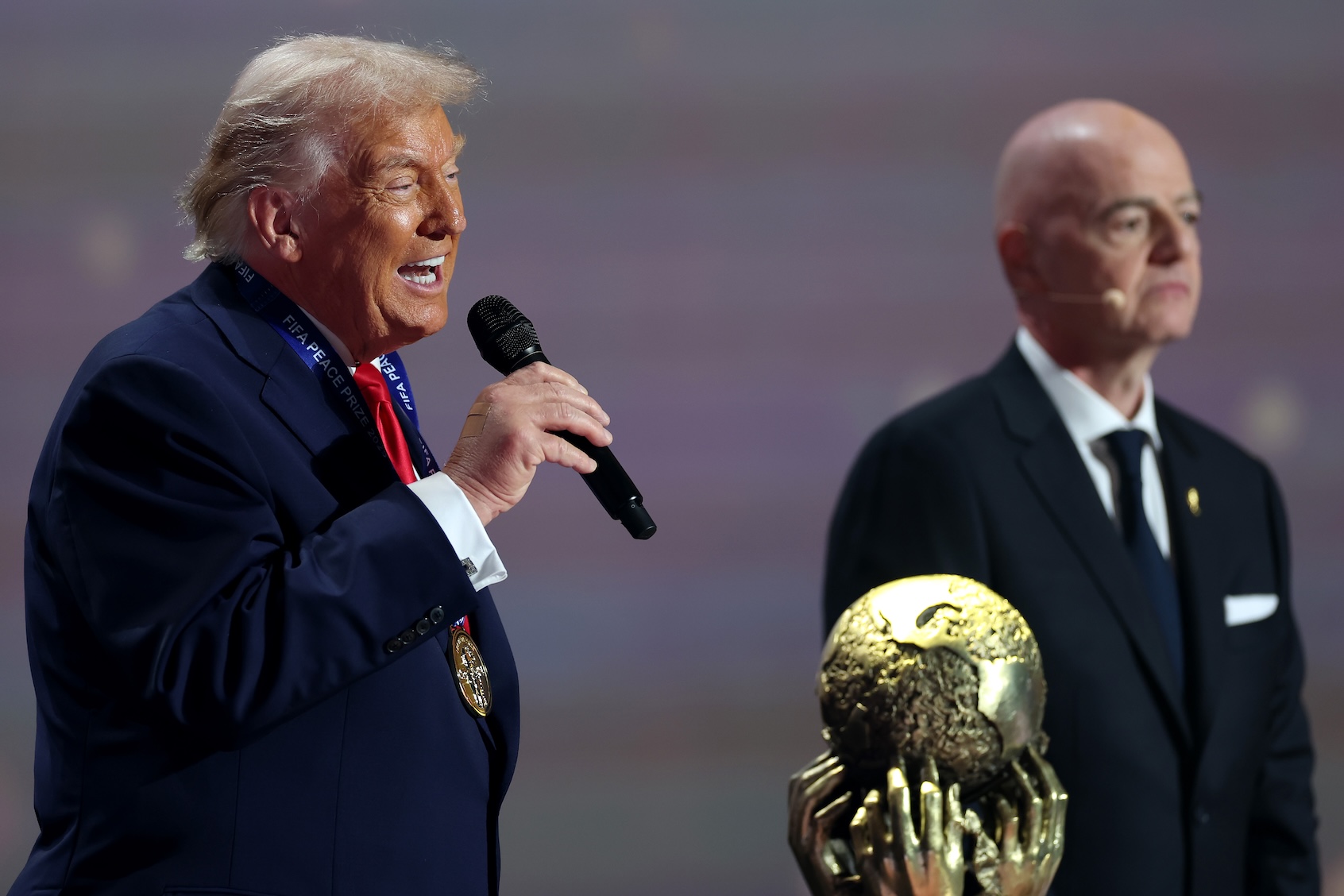
While the motivations for a boycott stem from a desire for global solidarity against authoritarianism, the practicalities of implementing such a movement are daunting. The idea of the United States being stripped of its status as host nation is a recurring fantasy among proponents of the boycott. Yet, there is no clear mechanism for such a drastic change. FIFA, the governing body of soccer, is unlikely to take drastic measures without a compelling justification.
Complicating matters further, logistical issues loom large. The notion of relocating matches from U.S. stadiums to Canada or Mexico is fraught with challenges. The potential for diplomatic fallout with neighboring countries, particularly given current tensions, adds another layer of complexity.
While some argue that a partial boycott by certain teams could occur, such as Latin American nations opting to play their matches in Canada or Mexico, these ideas remain theoretical and face significant hurdles. The fervor for soccer in countries like Brazil is immense, and the likelihood of missing out on the World Cup is virtually non-existent.
The historical context of sports and politics is also relevant. Past boycotts, such as the U.S. refusal to participate in the 1980 Moscow Olympics, are often cited as cautionary tales. These actions had lasting repercussions on athletes’ careers and did little to alter the political landscape.
Despite the improbability of a successful boycott, the discussions surrounding it reflect a broader sense of discontent. The World Cup represents not only a monumental sporting event but also a platform for global dialogue and protest. Observers are keenly aware of the potential for protests during the tournament, raising questions about the intersection of sports and activism.
As the World Cup approaches, many will grapple with the complexities of celebrating a global event while confronting troubling political realities. The call for a boycott may ultimately serve as a catalyst for deeper conversations about democracy and human rights, even if the logistics of such a move remain unfeasible. As the tournament draws near, the hope for meaningful protest and dialogue continues to resonate among those concerned with the current political climate.