URGENT UPDATE: Hedge funds have swiftly reduced their exposure to precious metals, including gold and silver, just before a dramatic market crash. Recent positioning data reveals a significant pivot towards energy investments as volatility surged, raising alarms among investors.
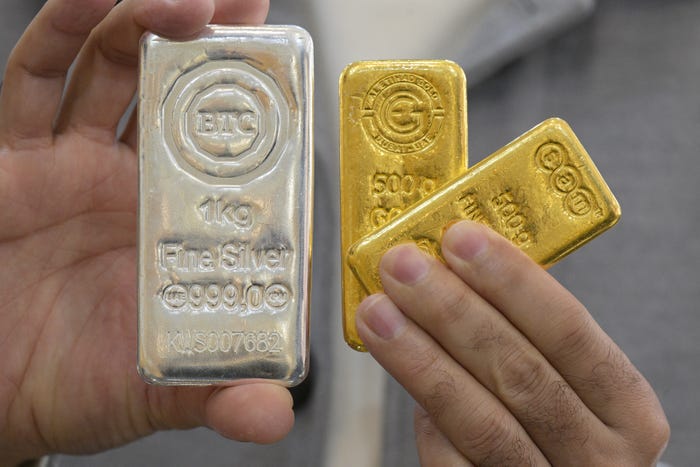
As of 12:56 a.m. ET on Tuesday, spot gold is trading at approximately $4,829 per troy ounce, down more than 10% from its record high of over $5,500 just last week. Meanwhile, spot silver is at $83.40 per ounce, plummeting over 30% from its peak above $121.
According to the Commodity Futures Trading Commission’s weekly Commitments of Traders report, hedge funds have been reducing their long positions in metals, such as gold, silver, and platinum, amid rising market volatility. Ole Hansen, head of commodity strategy at Saxo Bank, indicated this trend in his analysis on Monday, highlighting that investor sentiment shifted significantly ahead of the crash.
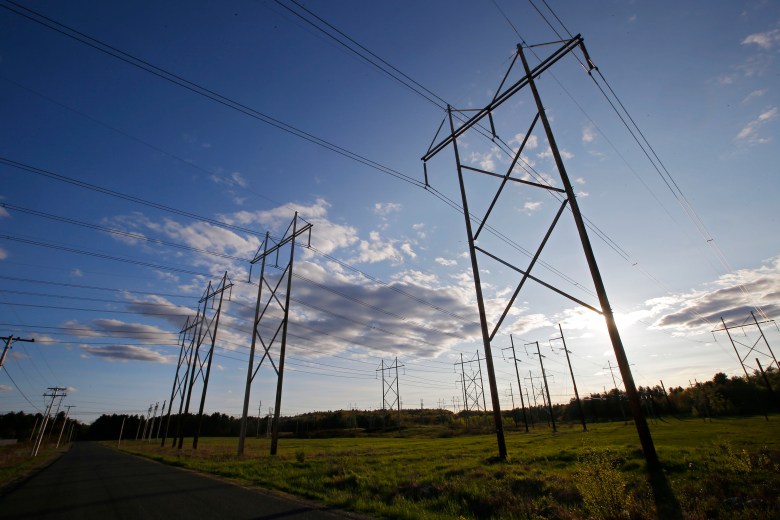
Investors have redirected capital into energy markets, particularly oil, which has seen renewed interest due to geopolitical tensions and supply disruptions. West Texas Intermediate crude oil is now trading around $62 per barrel, reflecting an 8% increase this year. Long positions in crude oil futures have reached their highest levels since August.
Hansen noted that the reduction in silver positions has created “plenty of room” for funds to re-enter the trade once market volatility stabilizes. However, this recovery may take time following Friday’s significant sell-off.
The rapid decline in precious metal prices has raised eyebrows, especially as both gold and silver were riding high just weeks ago. “The run up in December and January was primarily driven by speculative traders rather than traditional long-term investors,” said Jeffrey Christian, a commodities analyst. Market mechanics, influenced by President Donald Trump’s nomination of Kevin Warsh as Federal Reserve Chair, contributed to the metals’ downfall.
Extreme trading volumes across futures, options, and ETFs exacerbated the situation, leading to a market phenomenon where investor sentiment quickly shifted. Hansen warns that while the fundamental drivers for gold and silver remain—such as geopolitical tensions and central bank buying—the recent correction signals a critical warning for momentum traders.
The fallout from this market upheaval is palpable, impacting not just investors but the broader economic landscape. As gold and silver become hot topics of conversation, it often indicates an impending market exhaustion phase.
Stay tuned for further updates as this situation develops, and keep an eye on precious metals prices to gauge investor sentiment moving forward.