HARTFORD, CONNECTICUT — Starting January 1, 2024, anyone seeking to sell alcohol in Connecticut must complete a new training program mandated by the state. The initiative, developed by the Connecticut Department of Consumer Protection, aims to address issues related to impaired driving, illegal alcohol sales, and the legal responsibilities of liquor permit holders.
This requirement applies to all new applicants for on-premises and off-premises liquor permits, including both the permit holders and the owners of associated backer entities. The training is offered free of charge statewide, although it is only mandatory for new applicants. Existing permit holders with active licenses as of January 1, 2026, will not need to complete the training for renewal, but they are encouraged to participate voluntarily.
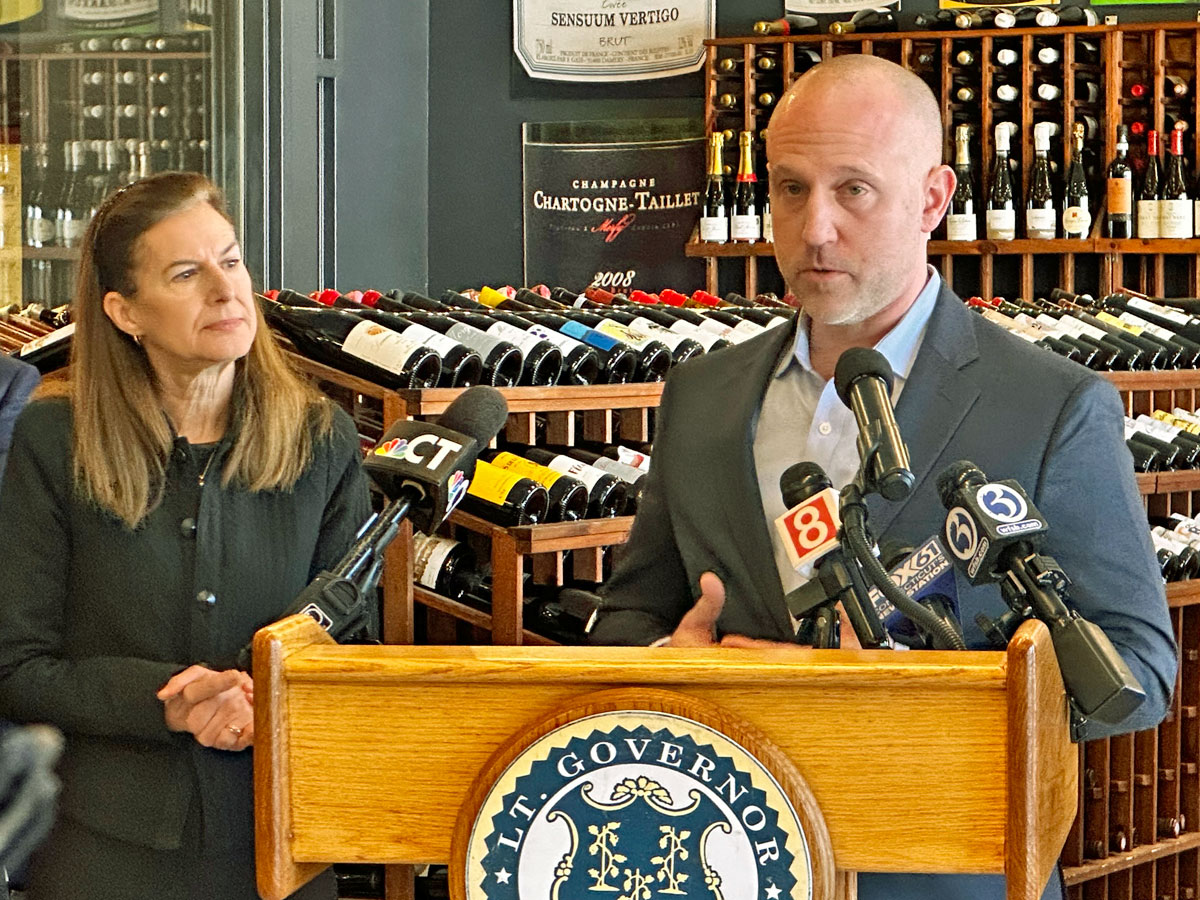
Jacob Studenroth, owner of Wise Old Dog Liquor Store in West Hartford, emphasized the importance of the initiative, stating, “It can feel like enforcement to overcome, when it’s really much more important than that. We have to treat things as seriously as they are.” The program is designed to fill a gap for small businesses that have traditionally relied on costly third-party training programs, which can charge around $50 per employee.
According to Bryan Cafferelli, commissioner of consumer protection, the training serves as a foundational tool for permittees to understand their legal responsibilities. Cafferelli remarked, “This is a great example of how government works best when it works together.” The training program was developed with collaboration from various state agencies, including the Department of Transportation and the Department of Mental Health and Addiction Services.
Focus on Safety and Compliance
In 2024, the Department of Consumer Protection conducted 255 compliance checks for underage alcohol sales across the state. Alarmingly, 80 of those businesses—approximately 31%—were found to have sold alcohol to minors during these enforcement operations. Garrett Eucalitto, the transportation commissioner, pointed out that this training targets a critical point in the prevention of alcohol-related harm.
Connecticut has seen a significant challenge with impaired driving, with about 40% of traffic fatalities in the state attributed to impaired drivers, compared to a national average of roughly 30%. Although preliminary data from the Connecticut Department of Transportation indicates a 12% decrease in traffic fatalities in 2025, officials remain concerned about ongoing risks, including impaired driving and rising pedestrian and cyclist deaths.
Eucalitto noted, “We know that these deaths are preventable, and someone could have stopped it at some point in the course of that day and night.” As of October 2025, the state’s system for detecting wrong-way drivers had recorded over 700 activations, with drivers self-correcting about 82% of the time.
A Broader Impact on Communities
The training program also aligns with the broader mission of the Department of Mental Health and Addiction Services, which focuses on prevention, recovery, and community well-being. Deputy Commissioner Colleen Harrington highlighted that, while rates of youth alcohol use have declined, alcohol remains a significant public health issue. She stated, “Every accident represents a person, but it has concentric circles. All of us have a responsibility.”
The video-based training encompasses various topics, including how to prevent sales to minors, recognizing and avoiding overservice, understanding restrictions on alcohol promotions, and navigating the mechanics of liquor permitting. Successful completion of the course results in a certificate that applicants must submit with their permit application.
As Connecticut works towards enhancing public safety through this new training requirement, officials hope that these efforts will lead to a more responsible alcohol service culture and contribute to the reduction of alcohol-related incidents on the roads.