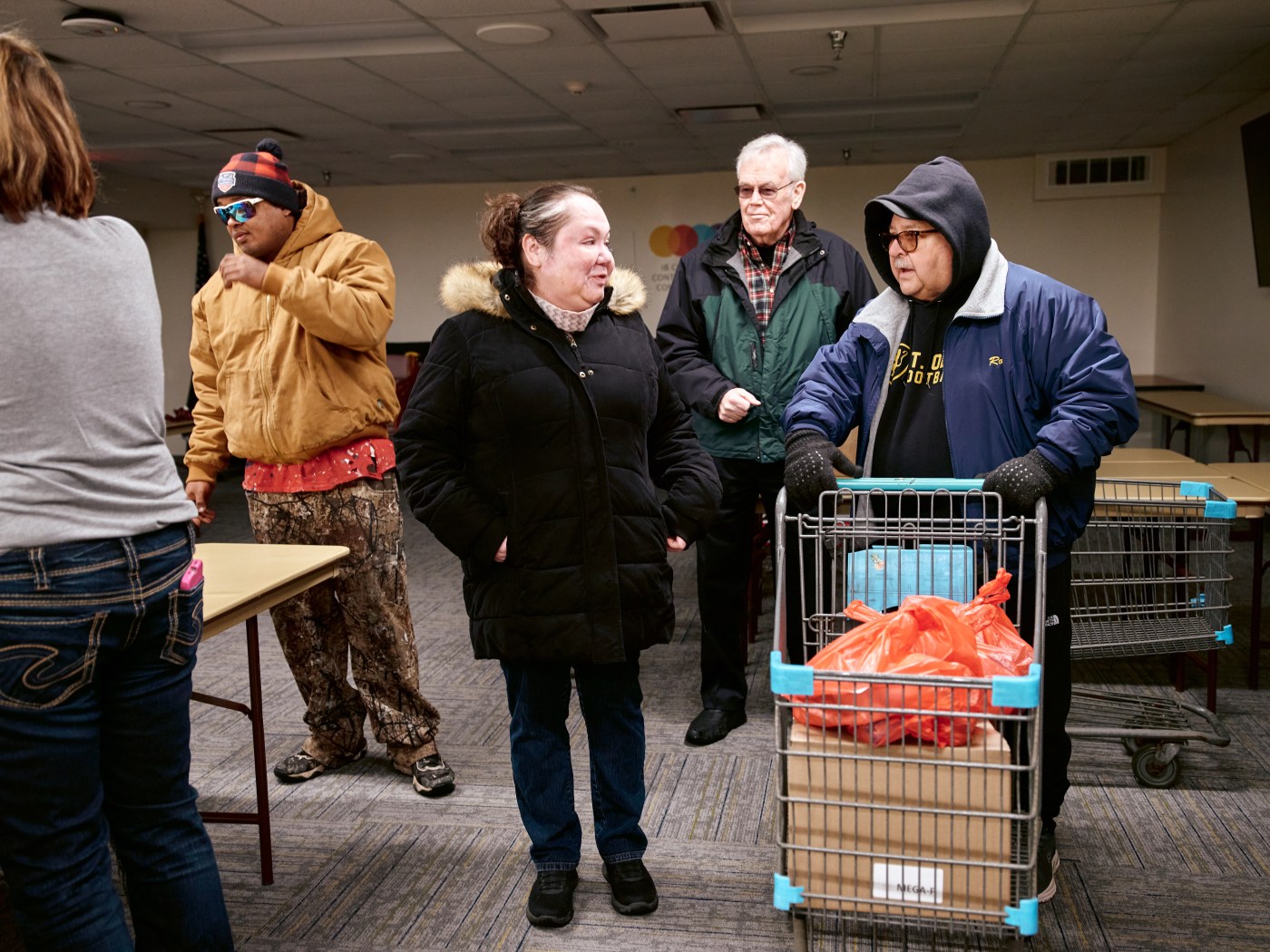
Fare For All, a nonprofit initiative offering affordable groceries, has announced it will cease operations in the metro area after February 2026. The program has been a vital resource for residents in locations such as St. Paul, Eagan, and White Bear Lake, but will now concentrate its efforts on nine sites in Greater Minnesota, according to an email sent to its customers on Monday.
This grocery program, which sells fresh produce and frozen meats at discounts of up to 40 percent off retail prices, has been particularly beneficial during a period of rising grocery costs. The decision to shift focus comes as food prices remain high, prompting The Food Group to redirect resources to communities with limited access to grocery stores.
In the email, The Food Group stated, “We know this news may be disappointing, and we want to acknowledge the real impact this change may have for you and your household.” This message reflects the challenges many households face in maintaining food security amid economic pressures.
Shifts in Grocery Access and Participation
The landscape of grocery shopping has evolved significantly since Fare For All was established in 2002. With the advent of discount grocery chains like Aldi, which opened its first location in the Twin Cities in 2003, and other options such as Sam’s Club, Costco, and Walmart, competition for affordable groceries has intensified.
Sophia Lenarz-Coy, executive director of The Food Group, noted that participation in metro locations has declined since the COVID-19 pandemic. In 2018, Fare For All served 53,317 households, while that number dropped to 34,343 in 2025, a decrease of approximately 36 percent. Lenarz-Coy explained, “Having more affordable grocery options can really mean that we see fewer participating at Fare For All.”
Food sourcing has also become increasingly challenging. Lenarz-Coy remarked that the organization must work harder to secure deals on products, particularly frozen meats, due to heightened retail competition. “Back in 2008, there were more ways we could find really good deals on things,” she stated.
The decision to discontinue metro services was not made lightly. The organization assessed its impact and determined that its resources would be better invested in rural communities where food access is more limited.
Community Reactions and Future Plans
Reactions from the Fare For All community have been mixed since the announcement. Many expressed disappointment, citing the program’s crucial role in their monthly food budgets. Comments on social media included sentiments like, “I live on social security and this makes me very sad as it really helped me,” and “Thank you guys for all you’ve done!” Others voiced concerns that the decision overlooked the needs of low-income individuals in urban settings.
The Food Group remains committed to providing affordable food options through its other initiative, the Twin Cities Mobile Market, which will continue servicing neighborhoods primarily in St. Paul and Minneapolis. Lenarz-Coy confirmed that Fare For All will still operate through February 2026, allowing metro customers to access meat and produce deals until the final distribution at the West Seventh location on February 13, 2026.
In addition to the metro services ending, the Fare For All program will continue at nine sites throughout Greater Minnesota, including locations in North Branch, Mankato, and St. Cloud.
For further details regarding the Fare For All program and its schedule, interested individuals can visit The Food Group’s official website.
This restructuring reflects The Food Group’s broader mission to enhance food justice and equity across Minnesota, ensuring that vulnerable communities receive the support they need during challenging economic times.