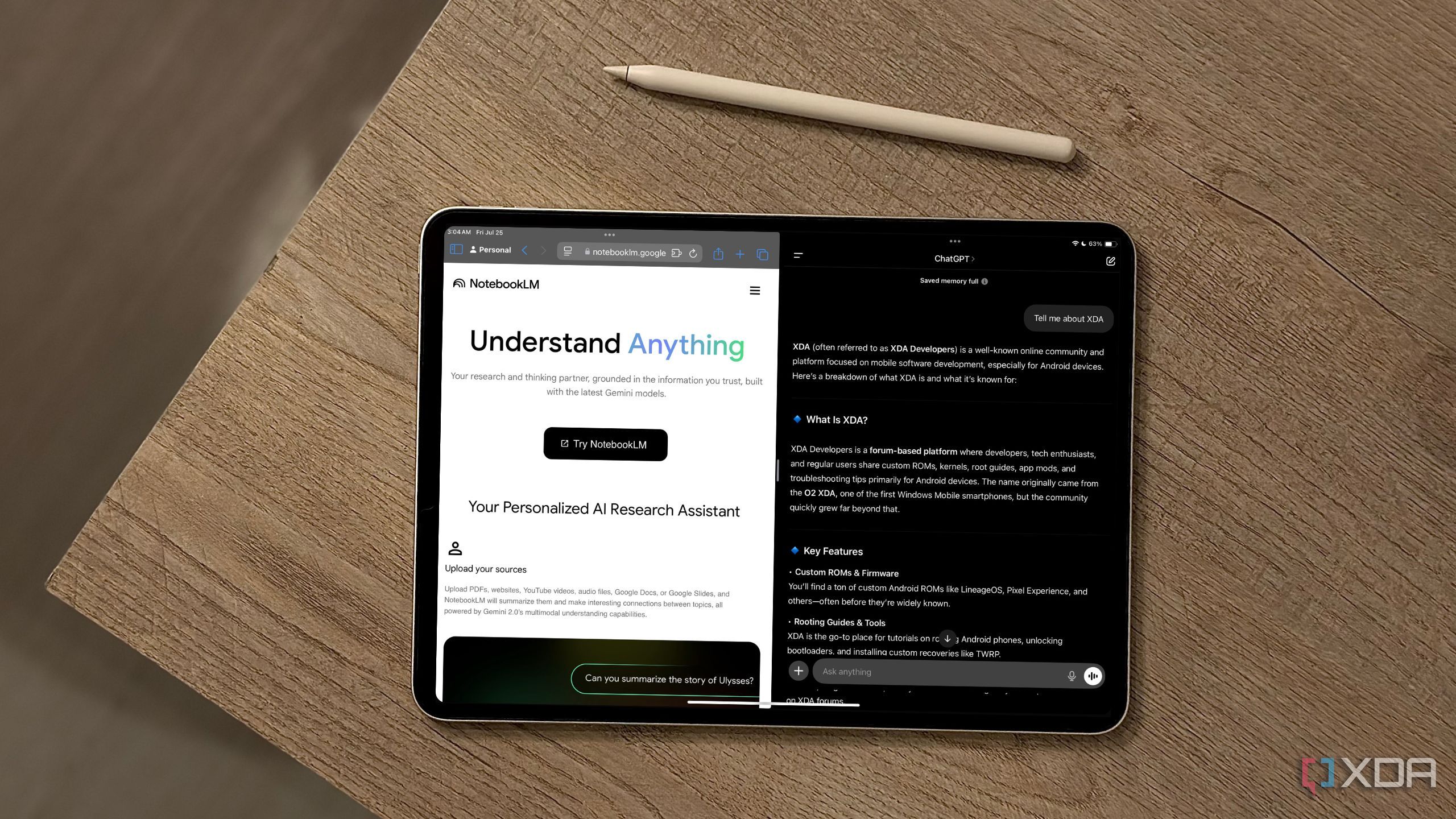
NotebookLM is changing the landscape of research by offering an alternative to traditional AI tools like ChatGPT. Many users, including educators and students, initially relied on ChatGPT for quick information and assistance. However, shifts in functionality and limitations have led some to explore other options that promote a more engaged approach to learning and research.
The integration of features like real-time browsing in ChatGPT made it a convenient choice. Yet, users often encounter issues such as inaccuracies in responses and strict limitations on document uploads in the free plan. These factors can hinder in-depth research, especially for academic or professional projects. In contrast, NotebookLM aims to foster a more active engagement with research materials.
NotebookLM’s Innovative Approach to Research
NotebookLM distinguishes itself through its unique method of handling information. Rather than relying solely on user prompts, it prioritizes the use of credible sources. This design compels users to conduct preliminary research before engaging with the AI, encouraging a deeper understanding of the subject matter.
With its retrieval-augmented generation (RAG) technology, NotebookLM retrieves and parses content from various sources, embedding this information for easy access. Each prompt interacts with a stable index of material, reducing the risk of vague or generalized responses. In this way, users can focus on specific content, ultimately leading to more substantial and informed conclusions.
The limitations of ChatGPT, including its handling of weblinks and the restrictions on the free plan, make it less ideal for comprehensive research. For example, the free version of ChatGPT permits only three document uploads per day, each with a maximum size of 512MB. This restriction can complicate efforts to work with previously gathered materials, pushing users toward subscription options that may not be necessary for everyone.
Enhancing Learning with NotebookLM’s Features
NotebookLM also offers additional tools that enhance the learning process. Features such as Mind Map, Quiz, and Flashcards enable users to transform their research into a more interactive format. These tools allow for active engagement with the material, improving recall and retention. As users synthesize information, they can verify claims and build a reliable reference base.
While ChatGPT serves a valuable role in obtaining initial information, it is often best utilized in conjunction with NotebookLM. Users can leverage ChatGPT for gathering sources, then transition to NotebookLM for deeper analysis and synthesis. This combination provides a more robust research workflow, allowing individuals to engage directly with the material.
In March 2024, many are beginning to recognize that NotebookLM offers a dependable alternative for research-oriented tasks. As AI continues to evolve, tools that encourage personal engagement with learning may become vital in enhancing educational outcomes. Ultimately, NotebookLM appears to be paving the way for a new approach to research—one that emphasizes active participation and critical thinking over mere information retrieval.