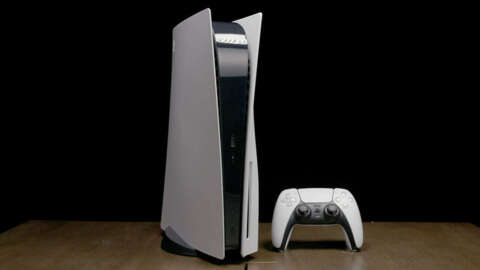
Sony has reaffirmed that the price of its PlayStation 5 (PS5) console is unlikely to increase in the near future, as the company navigates a global memory shortage exacerbated by demand from the artificial intelligence (AI) sector. The company’s Chief Financial Officer, Lin Tao, announced that Sony has secured enough memory to meet PS5 demand through 2026, addressing concerns about potential price hikes.
“We are already in a position to secure the minimum quantity necessary to manage the year-end selling season of the next fiscal year—October to December 2026,” Tao stated during an interview with This Week in Videogames. He added that Sony intends to negotiate further with suppliers to ensure it can meet customer demand without adjusting prices.
In recent months, the gaming industry has felt the impact of increased demand for DRAM memory, primarily driven by AI companies. This surge has raised concerns about the availability and pricing of components crucial for gaming consoles. Recognizing these market dynamics, Tao emphasized Sony’s flexible hardware sales strategy, which aims to avoid any price increases for the PS5 while simultaneously focusing on monetizing its existing customer base and increasing revenue from software and network services.
As of now, PS5 sales have reached an impressive 92.1 million units. Although sales experienced a slight decline of 4%—partly due to a weaker holiday season—operating income saw a significant boost, climbing by 19%. This growth is attributed to robust sales of first-party games and increased subscriptions to PlayStation Plus.
The broader gaming landscape is also responding to the memory shortage. Nintendo President Shuntaro Furukawa has indicated that a potential price increase for the next-generation Switch console is on the table. Meanwhile, Valve has confirmed delays for its Steam Machine, Steam Frame, and Steam Controller due to ongoing global shortages of memory and storage components.
Looking ahead, analysts speculate that next-generation consoles, including the anticipated PS6 and the next Xbox, may not debut until 2028. This timeline reflects the challenges the industry faces in securing the necessary components to support new hardware launches.
As Sony continues to adapt to these market conditions, its ability to maintain PS5 pricing while ensuring supply could play a pivotal role in sustaining its competitive edge in the gaming industry.