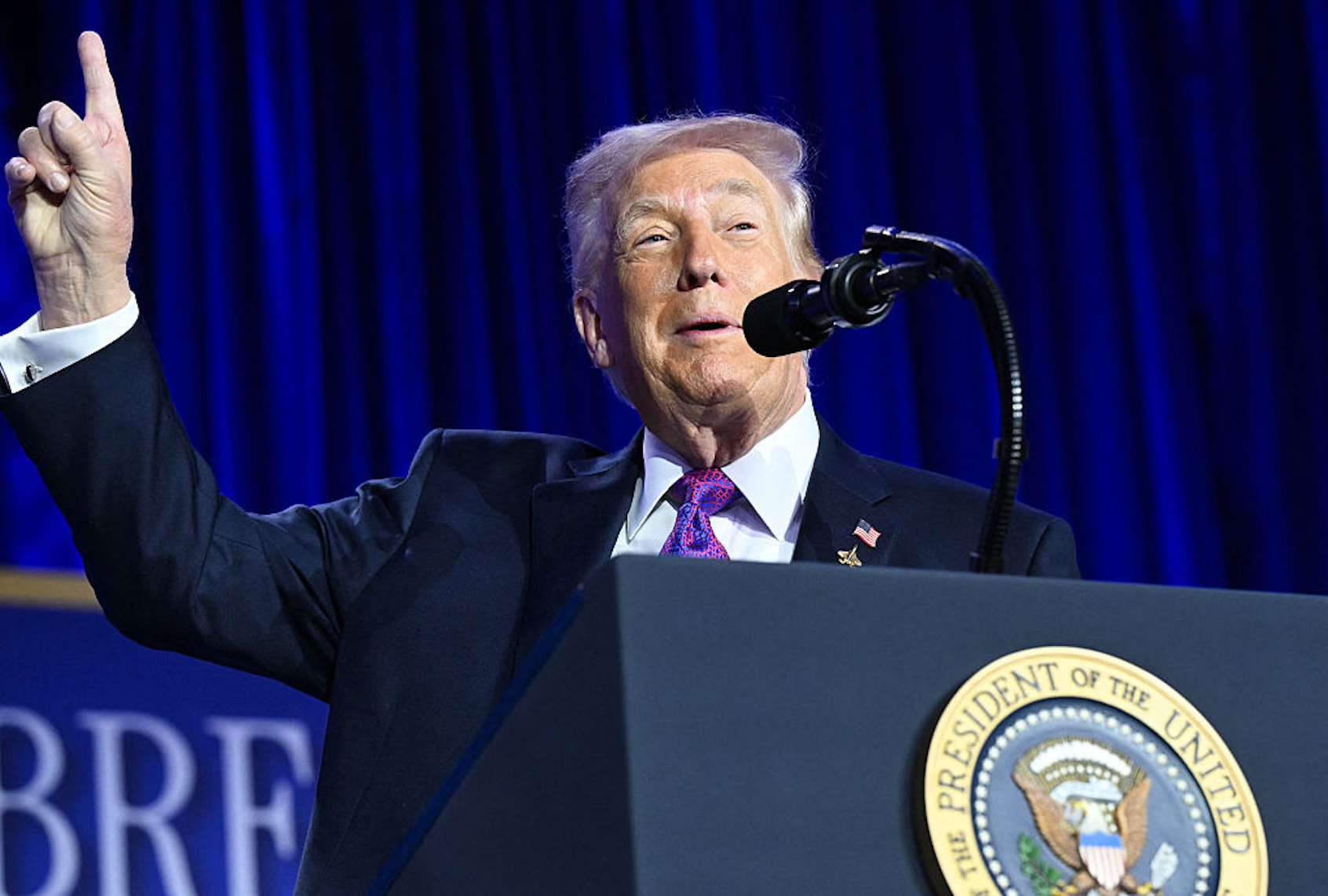
Donald Trump has once again ignited controversy within the Republican Party, following the sharing of a video on his platform, Truth Social. The video revisits his debunked claims of widespread voter fraud from the 2020 presidential election and includes a racially insensitive clip featuring former President Barack Obama and his wife, Michelle Obama. This incident has drawn bipartisan criticism and has raised questions about the direction and identity of the GOP.
In the wake of this event, Trump’s leadership style reflects a deep-seated grievance that has permeated his political journey. Many within the Republican Party continue to echo long-standing grievances about a welfare state and the impact of COVID-19 lockdowns, despite the evolving realities of these issues. In the eyes of many Republicans, the obsession with perceived slights, such as “Obama phones” and “death panels,” remains a potent rallying cry.
Trump’s approach has led to significant shifts in party ideology. Some conservatives have seemingly abandoned their traditional support for the Second Amendment and a stance against government overreach as they align more closely with Trump’s brand of politics. This shift illustrates the extent to which Trump’s grievances dictate the party’s narrative, even as he faces mounting criticism for his actions.
Conservatives Rally Behind Trump’s Agenda
The sustained outrage among Trump’s supporters, often referred to as “MAGA,” is remarkable. Issues that might seem trivial, such as the inclusion of pronouns in social media bios, have sparked intense debates within conservative circles. The concept of “cancel culture” has evolved from its origins in the 1970s, when it was labeled “political correctness,” and continues to fuel discontent among right-leaning factions.
While the Democratic Party has attempted to counter Trump’s narrative, the strategy has not proven effective. The term “weird,” initially coined by Minnesota Governor Tim Walz to describe Trump and Vice President JD Vance, has resonated with many voters. In response, Trump has tried to reframe the conversation, insisting, “I’m a lot of things, but weird I’m not.” This attempt to shift the narrative underscores the ongoing struggle within the GOP to define itself amid Trump’s controversial leadership.
Despite the GOP’s attempts to portray Democrats as the “weird ones,” many Democrats, including former Transportation Secretary Pete Buttigieg and Connecticut Senator Chris Murphy, have highlighted specific GOP policies that diverge from mainstream American values. Murphy pointed out the “creepy” obsession with drag shows and the unusual proposal to restrict voting rights for individuals without children.
The Future of the GOP Amidst Internal Conflict
As Trump continues to assert his influence, the Republican Party faces a pivotal moment. A significant majority of Americans, including many Republicans, believe the 2020 presidential election was legitimate, challenging Trump’s narrative. Furthermore, polling indicates that many support the complete abolition of Immigration and Customs Enforcement (ICE), which contrasts with the hardline stances often associated with the party.
While pointing out the GOP’s deviations from mainstream beliefs may not quell violence or dissent, it is crucial for Democrats to articulate a vision that resonates with average Americans. Key issues such as affordability, housing, and infrastructure should take center stage in upcoming campaigns. The Democratic Party must reclaim terms like “weird” to highlight the disconnect between Trump’s grievances and the priorities of the general populace.
Ultimately, as the political landscape continues to evolve, the question remains: Will the Republican Party redefine itself beyond the grievances of Donald Trump, or will it remain tethered to an increasingly skewed narrative? The answer may shape the future of American politics in the years to come.