Research indicates that when plants physically touch, they create a biological signalling network that enhances their resilience to environmental stress. This phenomenon, observed in a recent study, suggests that plants can warn each other about impending challenges, particularly the excess light often encountered in their natural habitats.
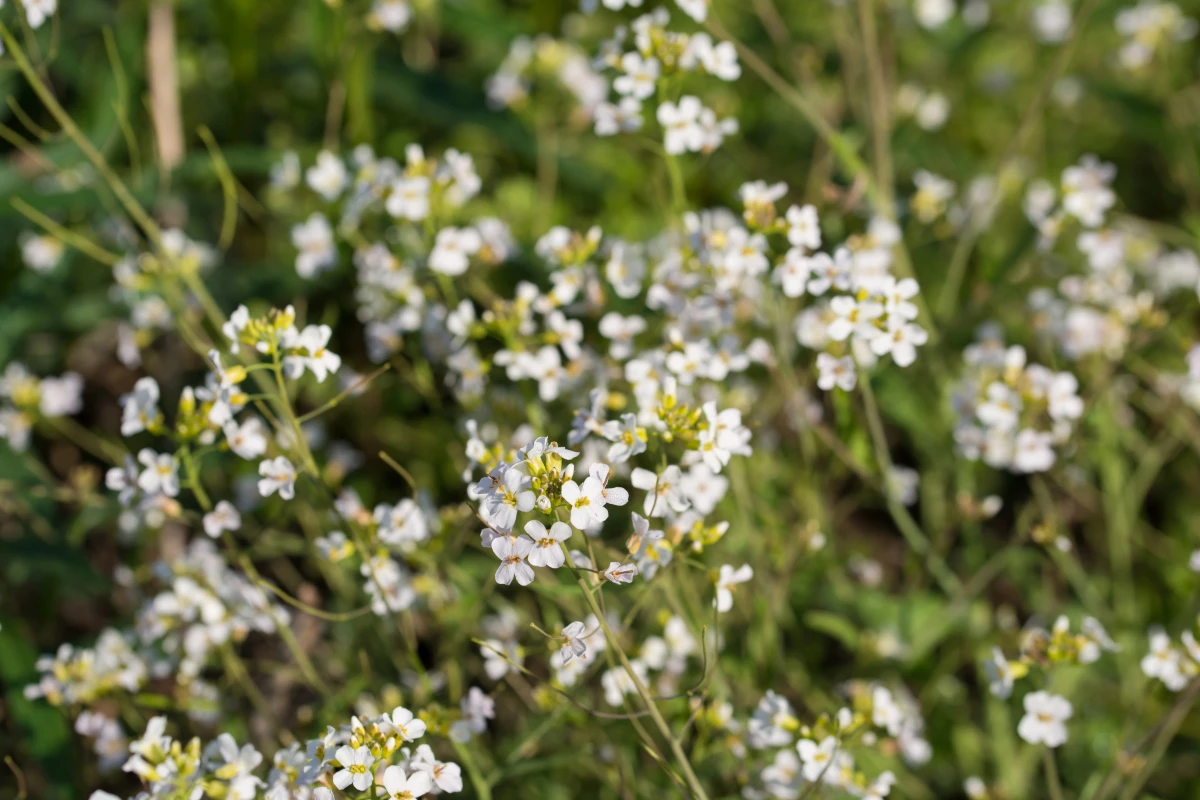
In this study, conducted by scientists at the University of Missouri, the researchers focused on the plant species Arabidopsis thaliana. The team set up two groups of these small, weed-like plants: one group maintained leaf-to-leaf contact, while the other group did not. They then exposed both groups to intense light conditions and assessed the resulting stress levels through measurements of ion leakage and the accumulation of anthocyanin, a pigment associated with stress responses in plants.
The findings were significant. Plants that were in contact with one another exhibited lower levels of leaf damage and reduced accumulation of anthocyanins compared to their isolated counterparts. “We demonstrated that if plants touch each other, they are more resilient to light stress by comparing groups of plants that touch each other with groups that do not,” said Ron Mittler, a phytologist involved in the research.
This study builds on previous work conducted in 2022, which showed that plants in physical contact are capable of transmitting electrical signals. The current research aimed to explore whether this tactile interaction directly enhances tolerance to stress. The results indicate that the touch between plants facilitates a cooperative response that may enhance their collective resilience when faced with challenges such as intense sunlight.
To delve deeper into the mechanisms behind this phenomenon, the research team utilized genetically modified plants that lacked the ability to transfer chemical signals. They arranged a chain of three plants: a transmitter, a mediator, and a receiver. When the mediator was replaced with mutant plants, the receiver plants failed to receive protection against the stress, suggesting that chemical signalling plays a pivotal role in enhancing resilience. Additionally, the study highlighted the secretion of hydrogen peroxide as crucial for this protective response.
The implications of this research extend beyond individual plant survival. It emphasizes the cooperative behaviour of plants, which typically compete for resources such as space, light, and nutrients. “If you grow under harsh conditions, you better grow in a group. If you grow under really ideal conditions with no predators, with no stressors, then you better grow individually,” noted Mittler.
Piyush Jain, a plant biologist at Cornell University, praised the study’s experimental design, stating it addresses a longstanding question about the nature of plant communication. “The authors of this paper propose a thoughtful and clever experimental design to better understand the still underexplored pathways of aboveground plant-to-plant communication,” he said.
While the findings of this research have yet to undergo peer review, they have been made available on the preprint server BioRxiv. As scientists continue to unravel the complexities of plant interactions, this study opens new avenues for understanding how physical connections among plants can enhance resilience to environmental stressors.