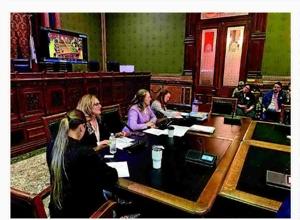
Legislation in Iowa is set to impose stricter limitations on educational content regarding LGBTQ+ topics, following a recent advancement by House Republicans. On March 6, 2024, lawmakers moved forward with a bill that extends existing prohibitions on classroom instruction and school-sponsored programs that reference sexual orientation or what state law categorizes as “gender theory” into middle and high schools.
The proposed legislation builds upon previous restrictions, primarily affecting elementary education, but now targets a broader age group. If enacted, this law will significantly influence how educators approach discussions surrounding sexual orientation and gender identity within Iowa’s educational framework. Proponents argue that the legislation is necessary to protect parental rights and maintain age-appropriate curriculum guidelines.
Legislative Context and Implications
The bill has sparked considerable debate among educators, parents, and advocacy groups. Supporters, including many Republican lawmakers, assert that the intent is to shield children from topics they consider unsuitable for their age. In contrast, opponents claim that such measures undermine the rights of LGBTQ+ students and deny them the visibility and representation they need in educational environments.
Iowa Governor has expressed support for the bill, emphasizing the importance of parental control over children’s education. The governor’s office stated that the legislation aligns with their ongoing commitment to prioritize what they define as “family values” within the educational system.
Educators and LGBTQ+ advocates have raised concerns about the potential chilling effect this law could have on classroom discussions. Many argue that withholding information about sexual orientation and gender identity can lead to increased stigma and discrimination against LGBTQ+ students. The American Civil Liberties Union (ACLU) of Iowa has voiced its opposition, stating that the bill infringes on students’ rights to receive a comprehensive education.
Next Steps for the Legislation
As the bill continues through the legislative process, it will require approval from both the Iowa House and Senate before reaching the governor’s desk for final approval. The timeline for further debate and amendments remains uncertain, but the issue is expected to generate ongoing discussion among stakeholders across the state.
In the broader context, this legislative movement in Iowa reflects a growing trend in various U.S. states, where similar bills have been proposed or enacted. Advocates for LGBTQ+ rights are closely monitoring these developments, as they seek to ensure that educational institutions remain inclusive and supportive environments for all students.
The outcome of this legislation could have far-reaching effects, not only on Iowa’s education system but also as a potential model for other states grappling with similar issues.