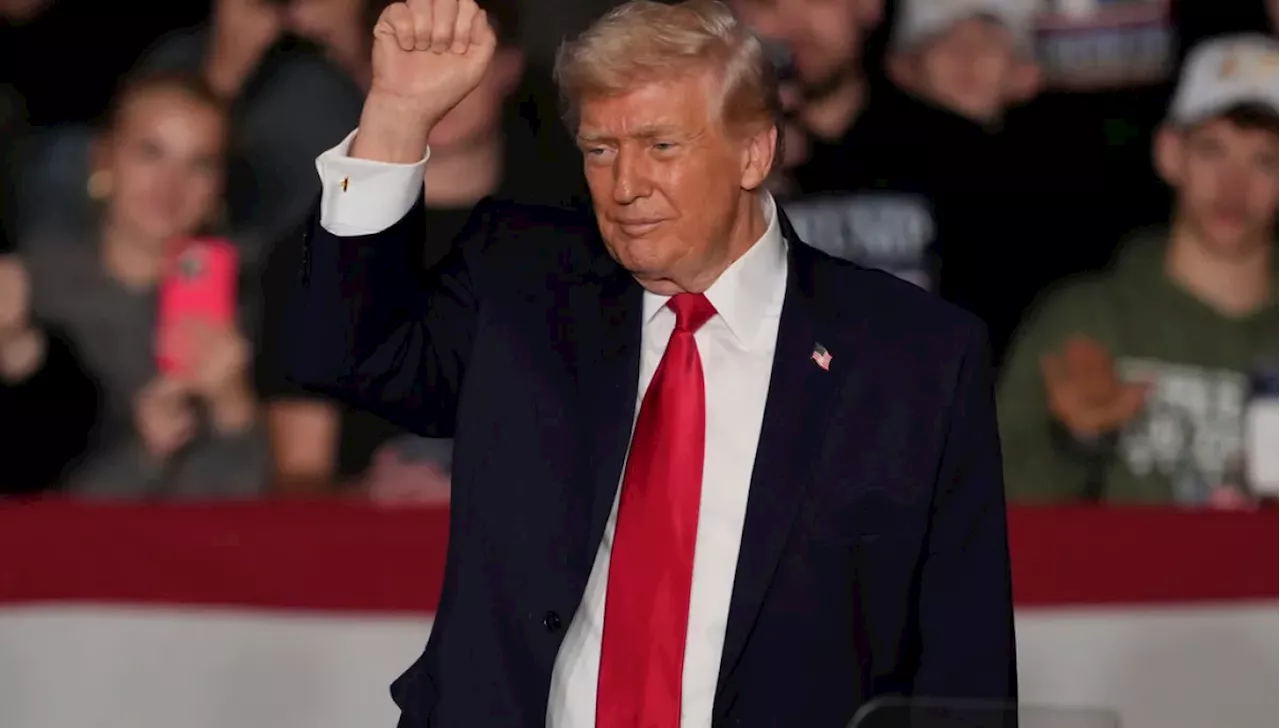
In a recent NBC News interview, President Donald Trump expressed a sense of pride in the current state of the U.S. economy, despite a NPR-Marist-PBS News poll indicating that only 36% of Americans approve of his handling of economic issues. The poll, released on March 7, 2024, revealed that 59% of respondents disapprove, marking a notable shift in public sentiment regarding economic management.
During the interview, which aired prior to the Super Bowl, Trump asserted, “I’d say we’re there now,” when asked if the nation is experiencing the “Trump economy.” This statement is significant as it reflects his transition from attributing economic challenges to previous administrations to taking direct ownership of current economic conditions. Previously, Trump has consistently blamed the Democrats for the economic difficulties he inherited, stating, “They’re the ones that caused the problem. I took over a mess in every way.”
The NPR-Marist-PBS News poll also highlighted shifts in public perception regarding the affordability of goods and services, a vital issue in recent electoral outcomes. Affordability was a critical factor in the November gubernatorial races, which were won by Democrats. Following these losses, Trump has embarked on a national tour to defend his administration’s economic policies, arguing that they contribute to reducing the U.S. trade deficit and enhancing domestic manufacturing.
Despite these assertions, public opinion remains largely skeptical of Trump’s economic strategies, particularly regarding tariffs. The poll revealed that 56% of respondents believe that imposing tariffs on foreign imports negatively impacts the U.S. economy, while only 31% feel that tariffs are beneficial.
As Trump’s administration continues to grapple with economic challenges, the upcoming legislative sessions and electoral campaigns will likely reflect these public concerns. The president’s recent statements indicate a concerted effort to reshape the narrative surrounding economic performance, even as approval ratings remain low.
The political landscape remains dynamic, and these economic discussions are expected to influence upcoming elections, particularly in regions where affordability and economic growth are top of mind for voters.