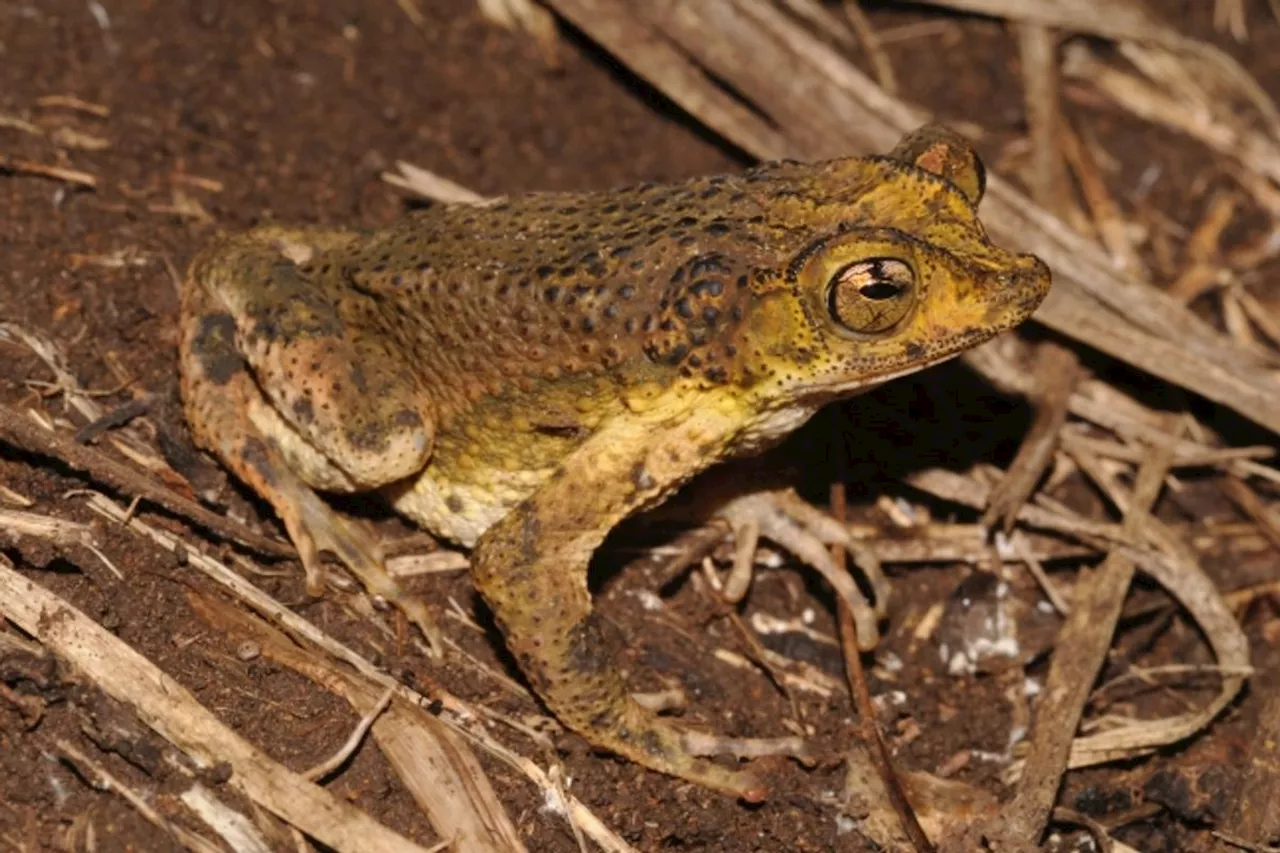
During the 2026 Super Bowl halftime show, Bad Bunny brought attention to a unique amphibian, the **sapo concho**, or Puerto Rican crested toad. This moment marked a significant opportunity for awareness about the only native toad species of Puerto Rico and the U.S. Virgin Islands, which is currently classified as endangered on the **IUCN Red List**. As the camera showcased this toad on the stadium’s Jumbotron, it highlighted the urgent need for conservation efforts.
### What Is the Sapo Concho?
The **sapo concho** is a medium-sized toad, measuring between **2.5 inches** and **4.5 inches** long, characterized by its bumpy snout and distinctive crests that arch over its eyes. Their coloration, primarily brown with unique patterns, makes them easily identifiable. According to the **U.S. Fish and Wildlife Service (USFWS)**, these toads are most active during the evening, particularly between **19:30** and **01:00**, often seeking shelter in small crevices during the day. They thrive in drier habitats, such as rocky areas and well-drained soils, but can also be found in forested regions, including dead logs and even abandoned tarantula nests.
The species was first documented in **1868**, with its population declining over the following century. By **1987**, the USFWS designated the sapo concho as threatened, contributing to its endangered status.
### Why Is the Sapo Concho Endangered?
The decline of the sapo concho can be attributed to several factors, primarily human activity. One major threat is the introduction of the invasive **cane toad**, which was brought to Puerto Rico in the early to mid-20th century to control agricultural pests. Unfortunately, the cane toad has outcompeted native species for resources and breeding grounds.
Additionally, habitat destruction due to construction, particularly in coastal regions where the sapo concho resides, has severely impacted their population. Climate change further complicates their survival; the toads prefer to breed in pools formed by rainfall but may delay reproduction in response to droughts or changes in rainfall patterns, as noted in a study published in the **Caribbean Journal of Science**.
### Conservation Efforts for the Sapo Concho
Despite these challenges, various organizations are actively working to conserve the sapo concho. The **Fort Worth Zoo** in Texas has been involved in conservation efforts since **1984**, establishing a breeding program in **1989** aimed at restoring the sapo concho population. Collaborating with the USFWS and the **Puerto Rican Department of Natural and Environmental Resources**, the zoo has implemented measures to protect habitats, develop construction guidelines, and raise public awareness about the toads.
The efforts conducted under the **Puerto Rican Crested Toad Conservancy** have been significant, with **17 breeding facilities** dedicated to maintaining adult sapo conchos. These facilities have successfully released **830,000 sapo concho tadpoles** back into their natural habitats, marking one of the longest continuous amphibian reintroduction programs globally.
Increased visibility, such as that provided by Bad Bunny’s performance, has the potential to enhance public interest and support for the sapo concho. With concerted efforts from conservationists and a growing awareness facilitated by cultural icons, there is hope for this remarkable species.
### Conclusion
The sapo concho’s journey from the shadows to the spotlight at the Super Bowl exemplifies how cultural moments can intersect with environmental advocacy. As more individuals become informed about the plight of the sapo concho, thanks to the efforts of dedicated organizations and public figures like Bad Bunny, the potential for recovery and conservation may become more achievable.