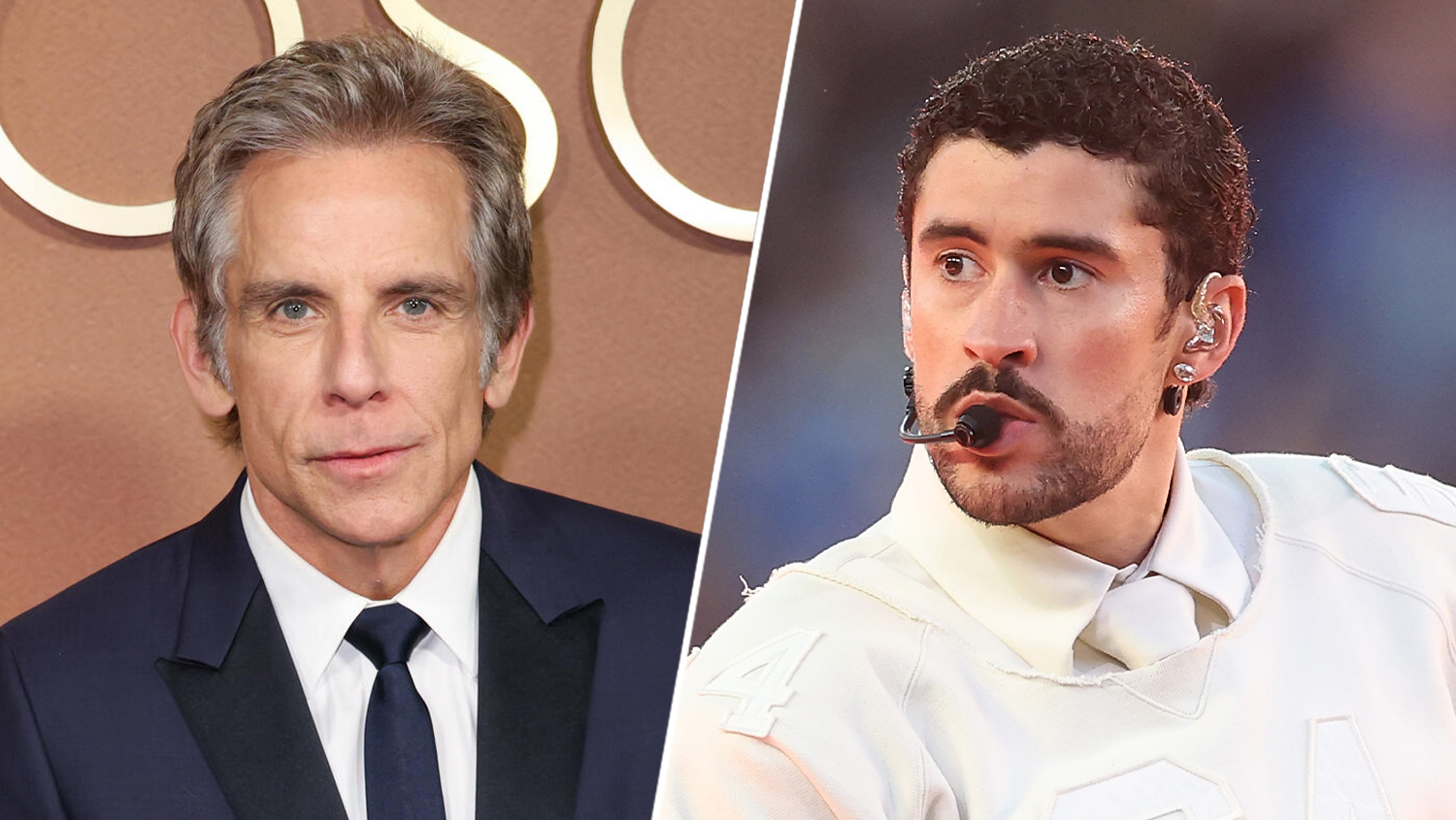
The Super Bowl LX halftime performance by Puerto Rican artist Bad Bunny has ignited controversy, drawing criticism from some lawmakers while receiving support from others, including actor and director Ben Stiller. Following the performance, Florida Representative Randy Fine called for an investigation by the Federal Communications Commission (FCC), labeling the show as “disgusting and pornographic filth” due to allegedly inappropriate language.
In response to the backlash, Stiller took to social media platform X to defend Bad Bunny, highlighting the artist’s talent and charisma. He questioned the rationale behind Fine’s proposed investigation, stating, “Focus of investigation: how did Bad Bunny manage to kick ass at such a high level and deliver the most watched and well-produced halftime show about inclusion and love ever made.” Stiller’s remarks emphasized the positive message and high-quality production of the performance, countering the negative assessment from critics.
Fine’s outrage stems from Bad Bunny’s use of explicit language during the live broadcast. He stated, “You can’t say the f-word on live TV. Bad Bunny’s disgusting halftime show was illegal.” He also indicated plans to send a letter to the FCC, demanding action against multiple parties involved, including the NFL and NBC. Fine expressed his belief that if similar language had been used in English, significant penalties would have followed.
The criticism did not end with Fine. Other lawmakers, including Tennessee Representative Andy Ogles and Missouri Representative Mark Alford, joined the call for an investigation into Bad Bunny’s performance. Their collective efforts reflect a growing sentiment among some officials that the performance crossed a line.
In a broader political context, former President Donald Trump also weighed in on the controversy, calling Bad Bunny’s show “a slap in the face to our country.” Trump’s comments followed a warning from his former Secretary of Homeland Security, Kristi Noem, suggesting that the Immigration and Customs Enforcement (ICE) agency would take action in response to the performance.
The debate surrounding Bad Bunny’s halftime show highlights a significant divide in public opinion regarding artistic expression and broadcast standards. Supporters of the performance argue that it celebrates cultural diversity and inclusion, while critics contend that it failed to adhere to expected norms for live television.
As the conversation continues, the outcome of Fine’s proposed investigation remains uncertain. The FCC has not yet publicly commented on the matter, leaving many to speculate about the implications of this controversy for artists and broadcasters in the future. Bad Bunny, an American citizen born in Puerto Rico, has become a prominent figure in the music industry, known for his distinct style and ability to blend genres.
This incident underscores the ongoing dialogue about the boundaries of creative expression in entertainment and the responsibilities of broadcasters to maintain standards that reflect their audience’s values.