At a recent meeting, the Trenton City Council unanimously passed a resolution opposing the establishment of any federal immigration detention facilities within the city limits. This decision, marked by a unanimous “yes” vote from all present Councilmembers, underscores the council’s commitment to safeguarding Trenton from the potential repercussions of such facilities, which have been associated with chaos in other U.S. cities like Newark and Chicago.
The resolution, officially designated as 26-046, emerged in response to concerns about the implications of ICE facilities, which have historically placed significant strains on local resources and law enforcement. Trenton has managed to avoid the burdens that typically accompany these detention centers, including heightened demands on police and emergency services.
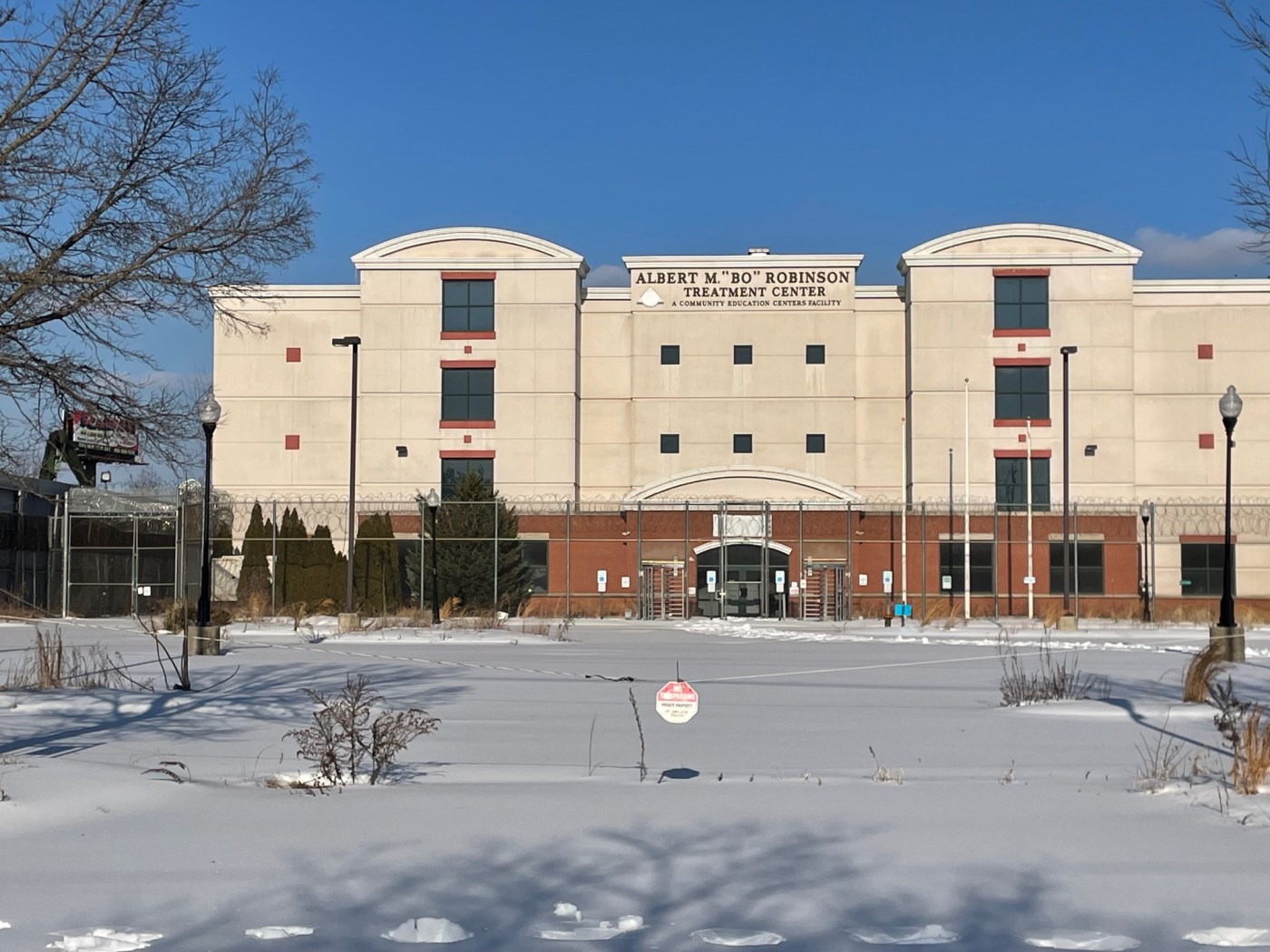
The impetus for the resolution stems from revelations in November 2024 when the American Civil Liberties Union uncovered through a Freedom of Information Act lawsuit that ICE was considering the Albert “Bo” Robinson Treatment Center at 377 Enterprise Avenue as a potential site for a detention facility. The growing public awareness surrounding this issue was significantly propelled by the efforts of Congresswoman Bonnie Watson Coleman, who publicly condemned the proposal.
While the “Bo” Robinson Treatment Center has not yet been utilized for immigration detention, the council expressed concerns that it could merely be the first of several potential locations under consideration within Trenton’s four wards. Given the ongoing controversies surrounding ICE and its practices, the City Council deemed it crucial to take a firm stance against the establishment of a federal immigration detention center.
The resolution highlights the risks associated with such facilities, which are often operated or leased by private companies like Geo Group and Core Civic. According to estimates, the number of individuals in ICE detention rose from approximately 50,000 in June 2025 to 73,000 by January 2026. This increase has resulted in ICE turning to local jails and even warehouses to accommodate detainees from various countries, raising concerns about the living conditions in these facilities.
Trenton’s position reflects a broader trend, as cities across the United States are grappling with the implications of ICE detention centers. For instance, Kansas City is exploring legal avenues to block an ICE facility for five years, a move that may lead to challenges in municipal land use law. The complexity of this issue is significant, particularly regarding the authority of municipalities to restrict federal immigration detention facilities.
In light of these challenges, the City Council’s resolution calls upon the New Jersey State Legislature to consider legislation that would prevent the placement of federal detention centers in densely populated areas like Trenton. The council advocates for proactive measures to protect local communities from the potential chaos and resource strain associated with immigration detention facilities.
As Trenton navigates this contentious issue, the City Council aims to maintain the city’s integrity and ensure that its limited resources are not further stretched by federal immigration policies. The council’s unified opposition serves as a clear message that Trenton will not be a site for federal immigration detention, reflecting the city’s commitment to the well-being of its residents.