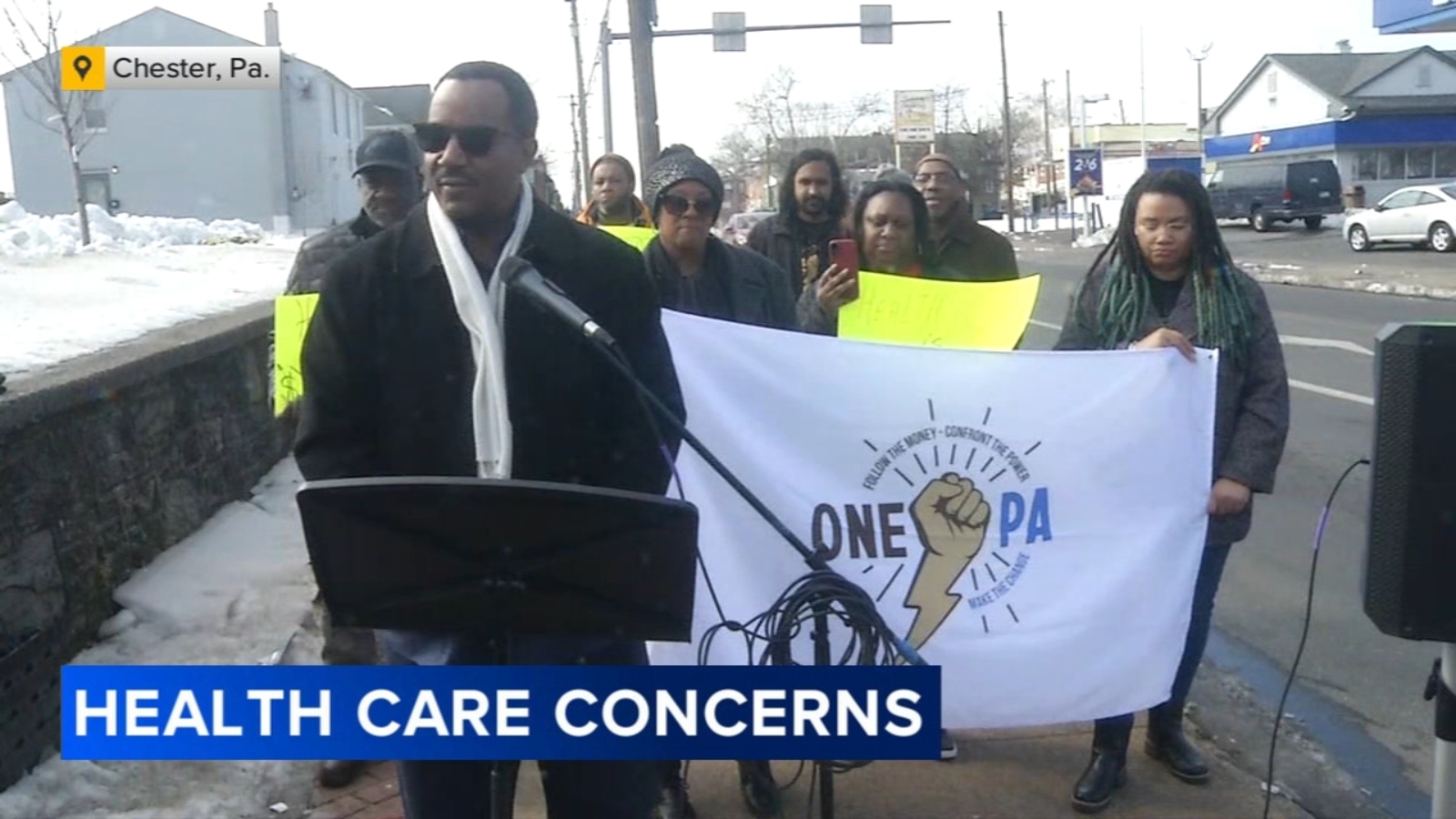
Residents of Chester, Pennsylvania, are grappling with the consequences of significant healthcare system closures that have left the community vulnerable. The closures of both the Crozer-Chester Medical Center and Taylor Hospital last May were the result of the hospitals’ parent company declaring bankruptcy. In response to this ongoing crisis, the advocacy group One Pennsylvania convened a meeting on Saturday to address the lasting implications of these shutdowns.
During the gathering, community members expressed their concerns regarding the lack of emergency medical services in Chester. With the nearest hospitals now located in Delaware or Philadelphia, residents are finding it increasingly difficult to access timely medical care. Dawn Pierce, a Chester resident, voiced her frustration, stating, “I am feeling for my counterparts, my neighbors, when they are having strokes and heart attacks and they can’t find any care for more than 20 minutes away.”
Pierce highlighted that the current healthcare options are inadequate, emphasizing that a clinic operating until 17:00 does not meet the urgent needs of the community, particularly when medical emergencies often occur after dark.
As Chester navigates this healthcare void, the city is currently relying on a contracted ambulance service to meet emergency needs. This contract is set to expire in April, but Mayor Stefan Roots has assured residents that the city is financially prepared to continue this essential service. He is also monitoring developments regarding the recent acquisition of the Crozer hospital site and has met with the new owner to discuss future plans.
Community members at the meeting expressed a sense of urgency, calling for immediate solutions to restore healthcare access in Chester. The discussions highlighted the critical need for sustainable emergency services, as residents continue to face challenges in receiving the medical attention they require.
The situation in Chester serves as a poignant reminder of the impact of healthcare system changes on local communities. With advocacy from groups like One Pennsylvania and the active involvement of local government, residents hope to see a path forward that prioritizes their health and well-being.