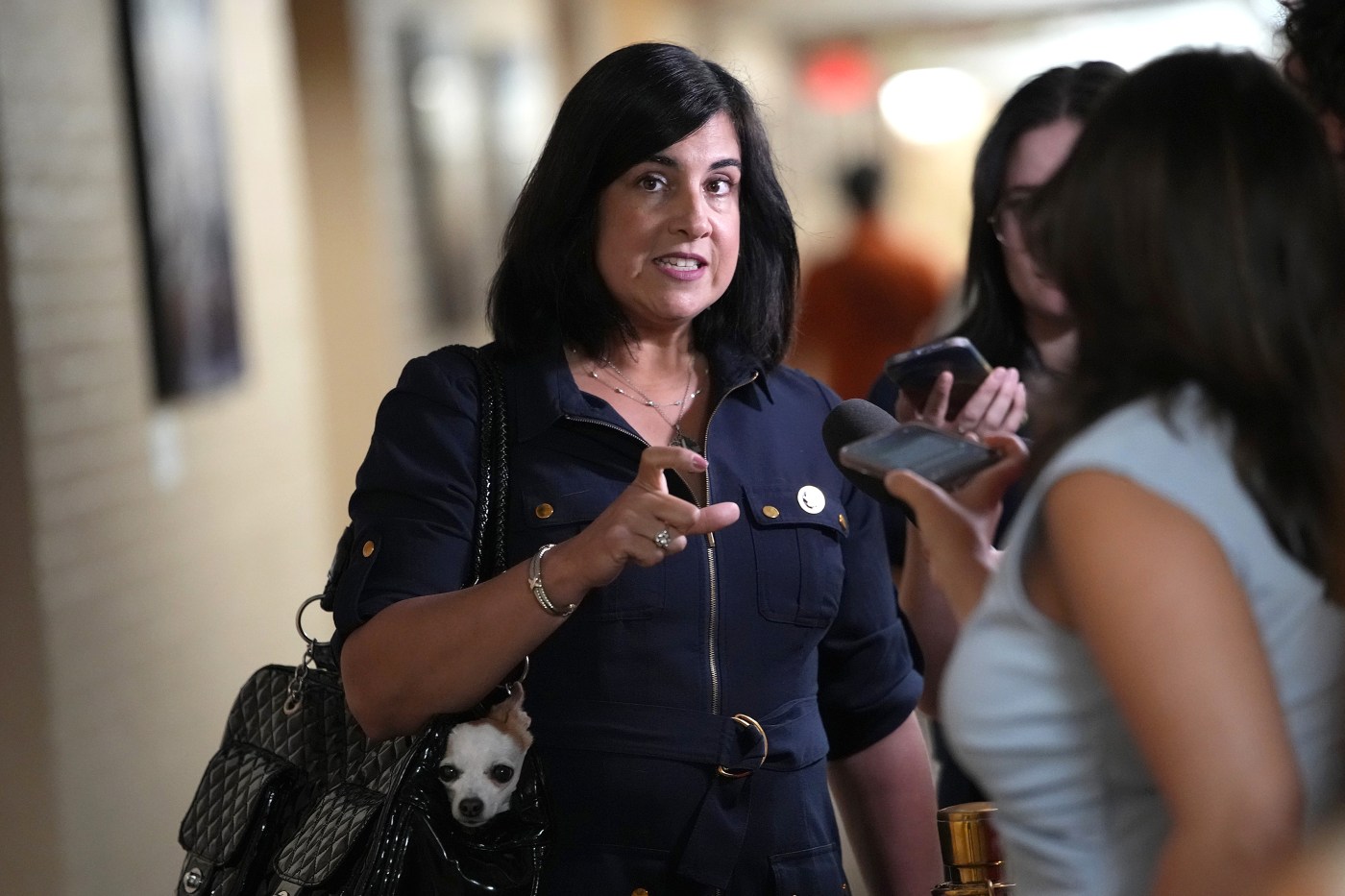
Claims surrounding migrant crime rates have ignited fierce debate among political figures and the public. In a recent op-ed published on February 10, 2024, by Rep. Nicole Malliotakis, the New York Congresswoman asserted that approximately 4,000 “criminal migrants” had been arrested for 16,000 crimes in city shelters. This statement has drawn significant scrutiny as it contrasts sharply with the factual information provided in the Freedom of Information Law (FOIL) response she referenced.
According to city data, between January 1, 2023, and October 31, 2024, the total number of crimes reported in city-run migrant shelters was actually 1,049. During this same period, New York City welcomed approximately 220,000 migrants, largely due to policies from the Republican governor of Texas, who has been accused of using migrants as political leverage. The crime rate within these shelters was calculated at 4.77 per 1,000 residents, significantly lower than the overall rate in Manhattan, which stands at 41.6 per 1,000 residents.
Malliotakis’ references to the 16,371 figure mislead the public, as it pertains to crimes committed within 1,000 feet of migrant shelters, rather than inside them. Critics argue that this conflation of data serves to demonize a vulnerable population and perpetuates harmful stereotypes.
Concerns Over Political Rhetoric
Critics have voiced concerns regarding the broader implications of such incendiary rhetoric. As highlighted by observers, misleading statements can lead to real-world consequences, including violence against migrants. An instance cited involved two Americans shot in Minneapolis during a federal operation targeting individuals labeled as “criminal illegal aliens.” This incident underscores the dangers of political discourse that dehumanizes certain groups.
Malliotakis has been accused of consistently spreading misinformation connecting immigrants to crime, despite research indicating that immigrants generally commit crimes at lower rates than native-born citizens. The Daily News has emphasized the need for accurate reporting, warning against the publication of claims that can incite fear and division.
Fiscal Responsibility and Governance
In addition to crime statistics, Malliotakis has criticized the city’s budget, which she claims has increased by approximately 45% since 2014. However, critics argue that when adjusted for inflation, this growth is closer to 8%. The congresswoman’s focus on spending related to migrants, which she estimates at around $7 billion, overlooks the significant economic contributions of hotels, shelters, and local nonprofits involved in supporting these individuals.
Supporters of humanitarian efforts contend that addressing the needs of migrants should not be viewed as a fiscal burden but rather as a moral imperative that benefits the community overall.
Broader Political Context
The ongoing discourse about immigration and crime has significant political ramifications. Recent comments made by Marco Rubio in Munich, where he stated that the U.S. and Europe “belong together,” reflect a desire for unity in a time of geopolitical tension. Yet, critics argue that the divisions began with previous U.S. policies and rhetoric, suggesting that calls for unity should start at home.
Amid increasing voter dissatisfaction, especially concerning economic issues, the political landscape is shifting. With an anticipated surge in voter turnout in the upcoming 2026 elections, many see this as an opportunity for a substantial Democratic presence in both the House of Representatives and the Senate.
As the political climate evolves, the conversation surrounding immigration, crime, and fiscal responsibility remains a contentious issue, highlighting the necessity for accurate information and responsible discourse. The responsibility lies with public figures and media outlets to ensure that accurate data informs the public dialogue, fostering a community grounded in understanding rather than fear.