The landscape of music streaming has evolved dramatically, with artists facing new challenges in gaining visibility. In this competitive environment, signals such as trending hashtags, streaming spikes, and fan engagement play a crucial role in shaping perceptions. Unfortunately, fraudulent streams complicate this dynamic, artificially inflating numbers for certain artists. In 2025, Apple identified and disabled approximately 2 billion fraudulent streams generated by fake accounts, highlighting the ongoing battle against manipulation in the industry.
Defining Fan Burner Accounts
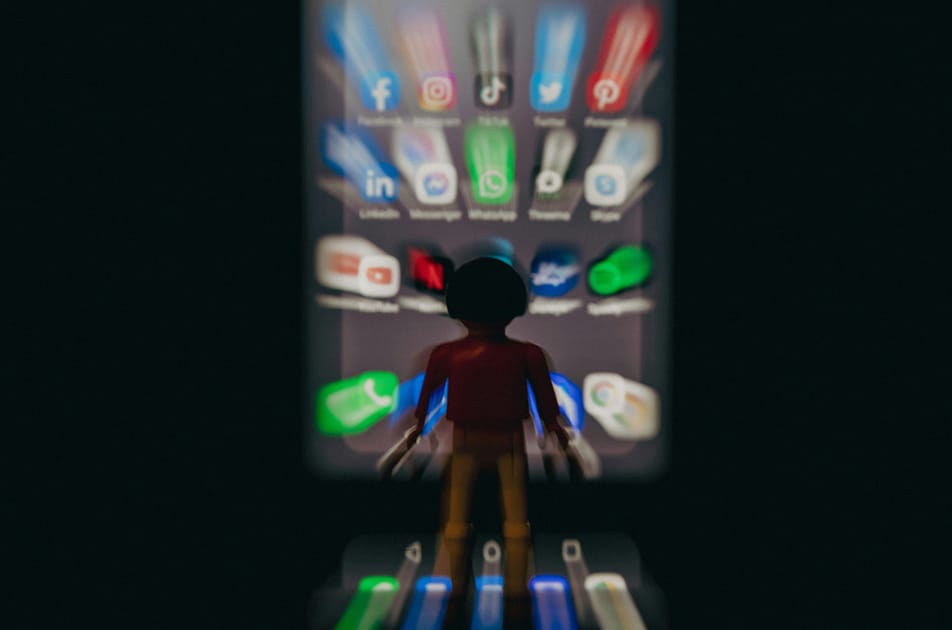
Fan burner accounts are secondary social media profiles operated by real individuals. These accounts can be utilized by dedicated listeners or team members from social media agencies aiming to enhance organic engagement. They serve various purposes, often allowing users to express themselves freely while navigating the complexities of fandom culture.
For many fans, burner accounts provide a platform to share opinions without overwhelming their personal networks or facing backlash for controversial views. This can lead to passionate online discussions, with some fans defending or criticizing an artist’s work. Moreover, the buying and selling of fan burner accounts has become common in the industry. From a marketing perspective, these accounts function like digital street teams, helping emerging artists generate authentic buzz, amplify release-day energy, and initiate conversations that can enhance algorithmic visibility. While this grassroots advocacy is powerful, it carries risks, as not all online support translates to real-world engagement.
The Mechanics of Click Farms
In stark contrast to fan burner accounts, click farms operate on a different principle. These organized systems, which may be human-operated or automated, are designed specifically to inflate engagement metrics like streams, views, or followers. The primary goal of click farms is to generate numbers rather than foster community.
Streaming platforms often classify click farms as fraudulent activity due to their ability to simulate high-volume engagement. This can lead to serious consequences, including penalties, content suppression, or even disqualification from charts. For artists, involvement with click-farm tactics can undermine their credibility and hinder long-term growth, despite the short-term appeal of inflated metrics.
The distinction between fan burner accounts and click farms is crucial for understanding how both trends impact artists. Coordinated fan activity, such as streaming parties or hashtag campaigns, can sometimes appear similar to bot-driven amplification. However, the intent behind these actions is what matters most. Authentic support from fans is fundamentally different from the artificial interactions generated by click farms.
The confusion surrounding these two phenomena reflects a broader tension in the music industry. Algorithms tend to reward sheer volume, prompting platforms to constantly strive for a balance between recognizing genuine fandom and identifying manufactured hype. The rise of fan burner culture has transformed promotion, encouraging listeners to become active participants in an artist’s narrative, whether through organic or paid efforts. This shift can lead to varied online feedback, both positive and negative.
Conversely, the existence of click farms illustrates the intense pressure artists face to compete in a metrics-driven environment. As visibility increasingly relies on numbers, the temptation to resort to artificial engagement tactics grows. The long-term risks associated with these strategies are significant, reinforcing the need for artists to navigate this complex landscape carefully.
Understanding the differences between fan burner accounts and click farms is essential for artists and industry stakeholders alike. As the music streaming ecosystem continues to evolve, clarity regarding these practices will be crucial in fostering authentic engagement and sustainable growth.