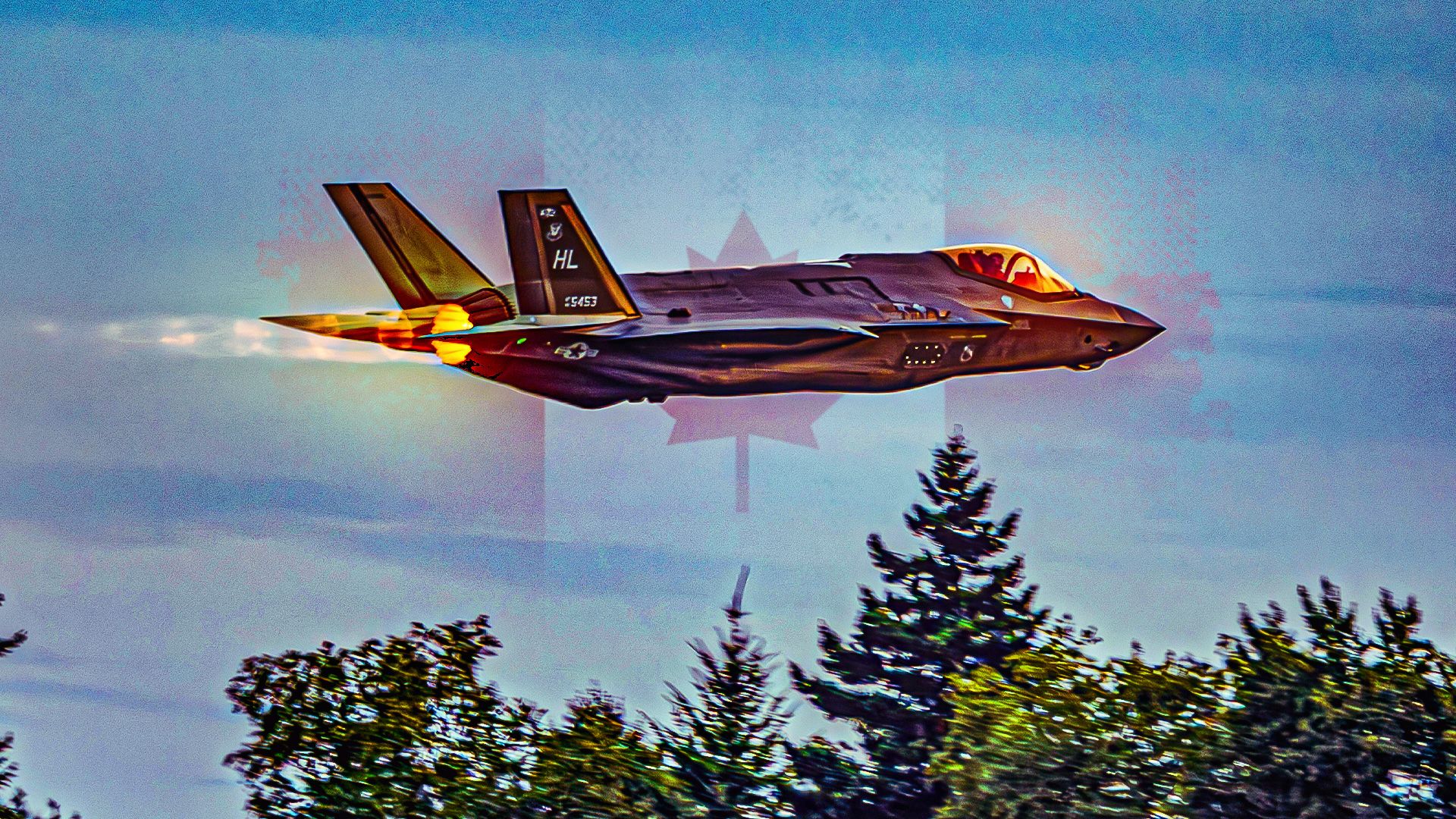
The procurement of 88 F-35 Lightning II fighter jets by Canada has sparked growing concerns within the United States regarding the implications for North American defense cooperation. As the program’s costs have surged, Canada now faces an additional burden that could compel the U.S. to deploy more of its own F-35s to maintain defense readiness. According to *The Independent*, the Canadian F-35 initiative has exceeded its original budget by $8 billion, raising alarms about the operational readiness of the North American Aerospace Defense Command (NORAD).
Complications have intensified due to shifting political dynamics, particularly during the administration of former President Donald Trump. His administration’s approach to trade and defense has created friction in the historically close U.S.-Canada relationship. For instance, recent threats regarding tariffs and trade disputes have led Canada to reassess its dependence on U.S. military technology, specifically the F-35 program.
Current Status of Canada’s F-35 Program
Canada has committed to the initial purchase of 16 F-35 aircraft, with deliveries set to begin in late 2026. The nation is also financing long-lead components for an additional 14 jets, despite ongoing evaluations of the deal. The future of the remaining 72 aircraft remains uncertain amid rising costs and strategic considerations. The Canadian government has expressed concerns that the initial terms of the F-35 agreement did not yield sufficient benefits for domestic industry. Minister of Industry Mélanie Joly has highlighted the need for projects that bolster both national security and job creation.
With over 110 Canadian companies involved in the F-35 supply chain, the stakes are high. Should Canada opt to cancel its order, these firms risk losing an estimated $10.6 billion in potential contracts, along with thousands of high-tech jobs. The F-35 program was seen as a cornerstone for Canada’s aerospace sector, which ranks as the fifth largest in the world and plays a critical role in the global supply chain.
Alternative Military Options and Strategic Autonomy
In light of these challenges, Canada is exploring alternatives, including the Saab Gripen E as a potential substitute for the F-35. Saab has proposed establishing a production line in Canada, which could create approximately 12,600 jobs and allow Canada to regain manufacturing capabilities lost since the cancellation of the Avro Arrow in 1959. This move would mark a significant shift towards greater autonomy in defense procurement.
Despite the advanced capabilities of the F-35, internal Canadian defense assessments indicate a strong preference among Air Force leaders for the program. The F-35’s superior stealth and performance are significant factors in its favor. However, some officials, including former national security adviser Vincent Rigby, suggest diversifying defense partnerships to include European and Indo-Pacific nations as a counterbalance to U.S. dependency.
Canada’s aerospace sector has a robust history, producing critical components for both civil and military aircraft. The country’s manufacturing capacity, exemplified by companies like Pratt & Whitney Canada, has established it as a vital player in global aerospace. Transitioning to the Gripen would not only mitigate risks associated with U.S. supply chain instability but also enhance Canada’s strategic autonomy.
As the landscape of North American defense shifts, the implications of Canada’s F-35 order extend beyond mere procurement. The potential collapse of NORAD cooperation could result in a strategic disadvantage for the U.S. if Canada opts for a different path. U.S. officials have warned that a less interoperable fleet could necessitate increased U.S. air missions in Canadian airspace, thereby complicating defense dynamics on the continent.
The evolving situation underscores the necessity for Canada to carefully navigate its defense strategy, balancing the benefits of the F-35 against emerging geopolitical realities and the desire for greater self-sufficiency in defense capabilities. As Canada weighs its options, the decisions made in the coming years will not only affect its military readiness but also its broader relationship with the United States and its standing in the global defense community.