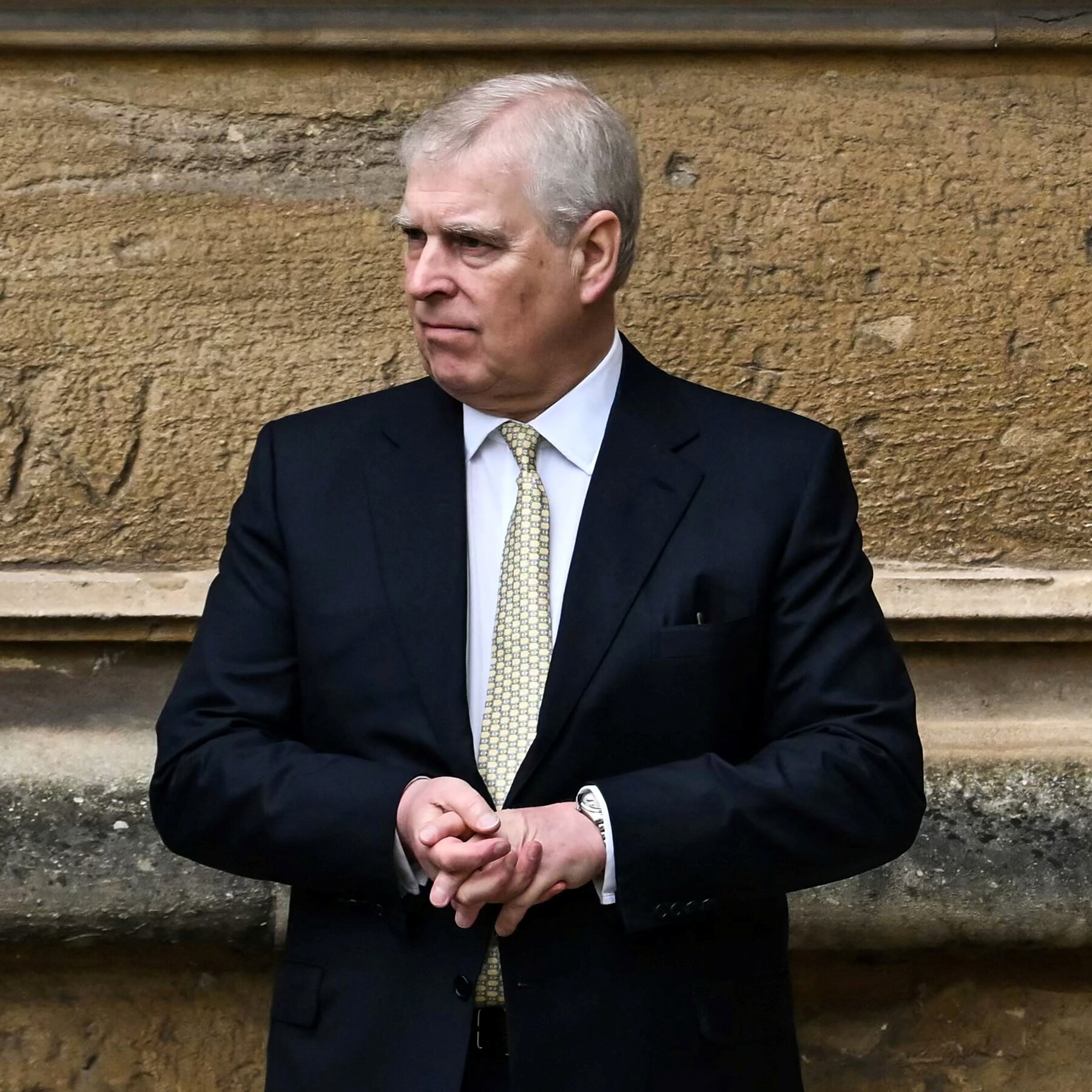
Andrew Mountbatten-Windsor, the younger brother of King Charles III, has experienced a significant decline in public favor, largely attributed to his connections with the late financier Jeffrey Epstein. Once a beloved figure within the royal family, Mountbatten-Windsor’s reputation has been overshadowed by scandal, raising questions about the implications for the monarchy.
Born in 1960, Andrew was regarded as a charismatic and engaging member of the royal household. His mother, Queen Elizabeth II, held a particular fondness for him, which endeared him to many in the public eye. Throughout his earlier life, he participated in various royal duties and charitable endeavors, often seen as a bridge between the monarchy and the people.
However, Andrew’s association with Epstein, who was convicted of sex trafficking, dramatically altered public perception. Reports surfaced detailing his visits to Epstein’s properties and his connections with individuals involved in Epstein’s circle. This relationship became increasingly scrutinized, particularly in light of Epstein’s criminal activities and the subsequent revelations about his network of powerful associates.
Public and Legal Scrutiny
The fallout from these associations has led to a notable decline in Andrew’s public roles. In 2021, he stepped back from royal duties amid growing pressure to distance the monarchy from the scandal. His decision followed a civil lawsuit filed in the United States by Virginia Giuffre, who accused him of sexual misconduct, a claim he has consistently denied. The lawsuit brought to light not only personal allegations but also raised broader concerns about the royal family’s oversight of its members’ actions.
In early 2022, Andrew faced further complications when a New York judge dismissed his attempts to have the lawsuit thrown out, stating that Giuffre’s claims should be resolved in court. The legal implications of this case have intensified media scrutiny and public discourse surrounding the monarchy’s accountability.
The Future of Andrew and the Monarchy
As Andrew Mountbatten-Windsor navigates these turbulent waters, his future role within the royal family remains uncertain. The monarchy, already under scrutiny for its relevance in modern society, is grappling with the challenges posed by Andrew’s controversies. Public sentiment appears increasingly critical, with many questioning whether he can rehabilitate his image or if the damage is irreparable.
While Andrew’s connections to Epstein have undoubtedly tarnished his reputation, the royal family must also address how it manages its members’ public lives and associations moving forward. The ongoing developments in Andrew’s case will likely have lasting implications for the monarchy and its relationship with the public.
In summary, the trajectory of Andrew Mountbatten-Windsor serves as a poignant reminder of the complexities faced by public figures, particularly those within the royal family. As the legal proceedings continue and the media attention remains intense, the question lingers: what does the future hold for Andrew and the British monarchy?