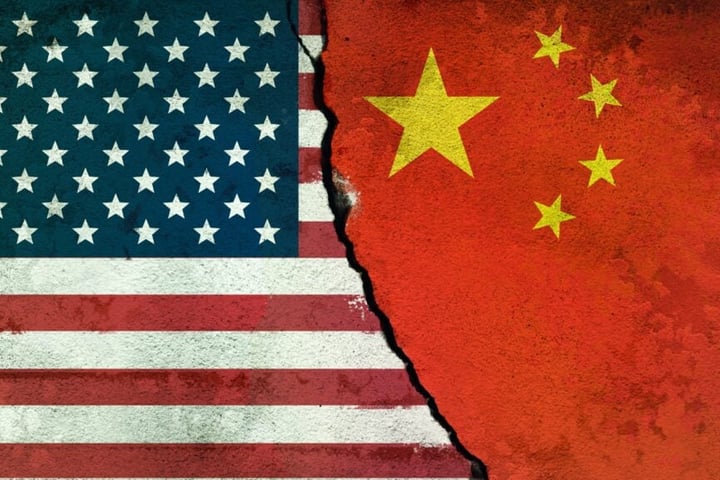
President Donald Trump is set to visit China from March 31 to April 2, marking his first official trip since returning to the White House. This visit, at the invitation of Chinese leader Xi Jinping, comes as both nations prepare for critical discussions surrounding trade and security, according to Al Jazeera. The timing reflects a renewed commitment to high-level diplomacy between Washington and Beijing amid ongoing global challenges.
The White House confirmed the trip, highlighting recent positive developments in bilateral communication, which officials characterized as “excellent” and indicative of “good communication” over the past months. This journey follows years of heightened tensions and will be the first presidential visit to China since 2017.
Importance of the Visit
Trump’s anticipation for this visit is palpable, as he remarked, “That’s going to be a wild one,” while emphasizing the need for a significant display during his stay. The upcoming discussions are expected to address various topics, including tariffs, defense policies, and the competitive landscape of technology between the two nations.
The context of this visit is particularly relevant, given a recent Supreme Court ruling that struck down tariffs previously imposed by Trump on multiple countries. Trade relations remain a central theme, especially with the potential for China to retaliate against U.S. exports such as soybeans, which have historically been a significant part of U.S.-China trade.
Geopolitical Landscape and Economic Implications
China has been actively engaging with various Western leaders, promoting its advancements in electric vehicles and renewable technologies. Meanwhile, the U.S. maintains military cooperation with Taiwan, which remains a contentious issue in Sino-American relations. Analysts suggest that this visit will be pivotal in addressing these complex matters and potentially finding common ground.
In addition to trade discussions, Trump is likely to focus on domestic energy policies. While he advocates for an expansion of fossil fuels, China has been investing heavily in clean energy sectors. This divergence in energy strategy may also feature prominently in their discussions.
This visit signifies a shift in diplomatic engagement since the onset of the COVID-19 pandemic, which severely strained ties and limited international travel. Following the reopening of borders in 2023, Beijing has sought to enhance its diplomatic outreach, welcoming a variety of Western politicians and popular American figures.
As the date approaches, the world watches closely to see how this meeting will impact the future trajectory of U.S.-China relations, especially in the realms of trade and security.