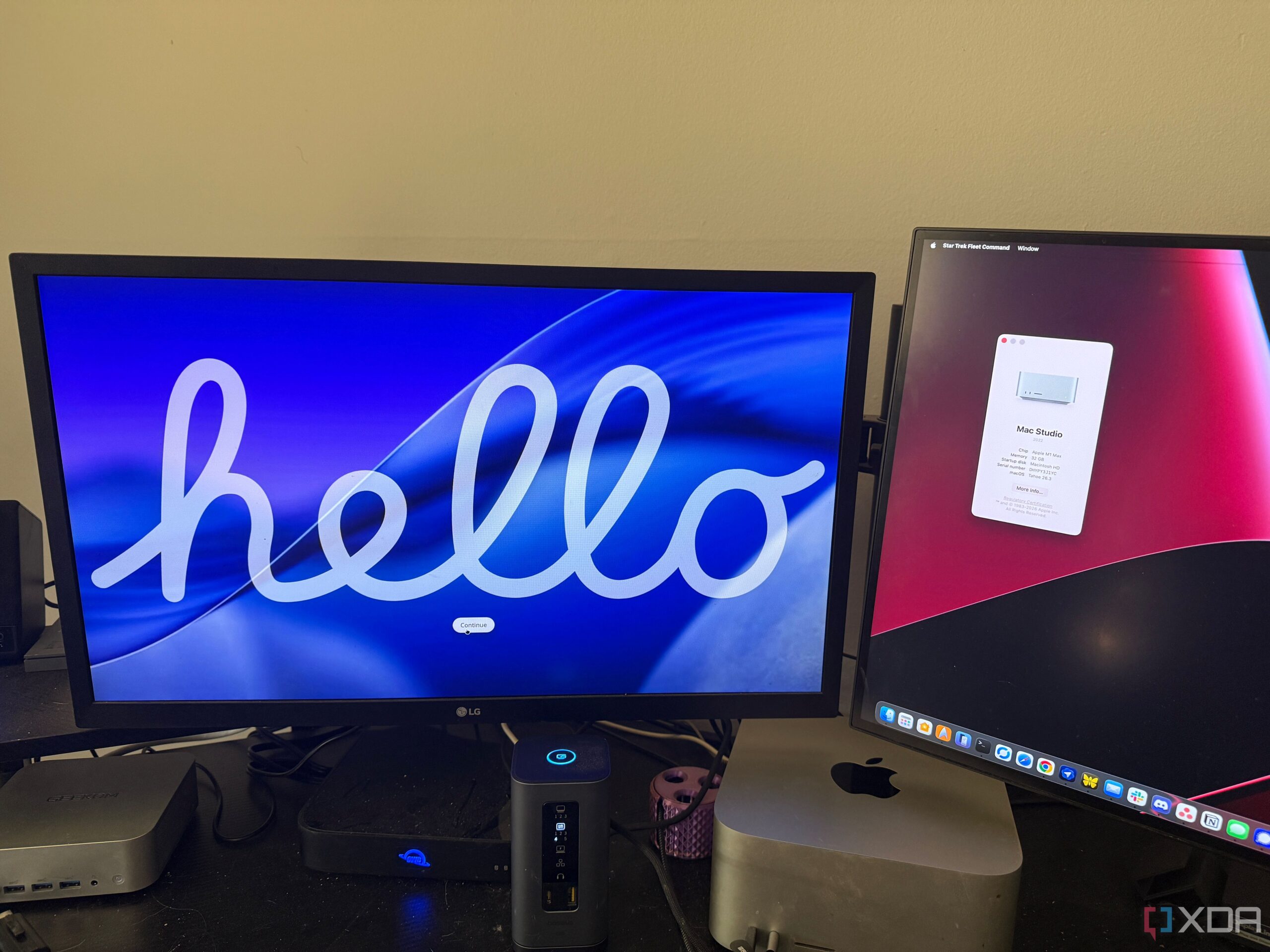
The newly launched pearOS combines the visual appeal of macOS with the robust functionality of Arch Linux, creating a unique operating system that aims to attract users seeking both style and substance. This innovative distribution offers a polished desktop experience while retaining the flexibility of a rolling-release model, which can be both advantageous and challenging for users.
Design Meets Functionality
At its core, pearOS is designed to provide a user-friendly interface reminiscent of macOS, featuring a clean layout and familiar navigation. This emphasis on aesthetics is intended to attract users who might find traditional Linux environments overwhelming. With a customized setup based on KDE Plasma, pearOS prioritizes a seamless “day one” experience, reducing the need for extensive customization typically associated with Linux.
The project aims to simplify the initial user experience, addressing a common barrier that many potential Linux users face. The developers believe that a cohesive design can facilitate easier adoption, allowing users to focus on their tasks rather than spending hours configuring their desktop. PearOS is targeted at individuals transitioning from macOS who prefer a less cluttered and more intuitive interface.
However, the integration of a rolling-release model presents certain challenges. Users must remain attentive to updates and changes, as the very nature of Arch Linux means that updates can occur frequently, potentially affecting system stability. This duality raises concerns about whether pearOS can maintain its curated appearance while adapting to the fast-paced development cycle characteristic of Arch-based systems.
The Balance of Ease and Maintenance
The success of pearOS hinges on its ability to balance usability with the demands of a rolling-release distribution. Users are encouraged to engage with their systems actively, reading update notes and adjusting settings as necessary. This level of involvement can be daunting for those who prefer a more hands-off approach to technology.
“A familiar layout lowers the fear of breaking things,” explained a representative from the pearOS development team. “When the UI feels coherent, users tend to explore more, and exploration is how people actually learn Linux.”
This philosophy positions pearOS as not just a visual alternative to existing distributions, but as a potential stepping stone for users looking to deepen their understanding of Linux. The team emphasizes that their goal is to create an environment that feels intentional and cohesive, encouraging exploration without sacrificing stability.
Despite its ambitious aims, pearOS faces scrutiny due to its aesthetic similarities to macOS. Critics argue that closely mimicking a proprietary operating system could lead to design and functionality challenges down the road. Moreover, the project’s history as a Linux distribution that has previously drawn attention for its resemblance to macOS adds an additional layer of complexity to its current iteration.
Ultimately, pearOS must prove its long-term viability against an ecosystem where many users can achieve similar aesthetics through other distributions. The developers are aware of this challenge and aim to differentiate pearOS by offering a curated experience that promises both reliability and ease of use.
As pearOS continues to evolve, its success may redefine how users perceive Linux distributions, positioning itself as a reliable choice for those seeking a modern, aesthetically pleasing operating system that does not compromise on performance. If it can navigate the intricacies of a rolling-release model while maintaining its polished interface, pearOS may emerge as a significant player in the Linux landscape.