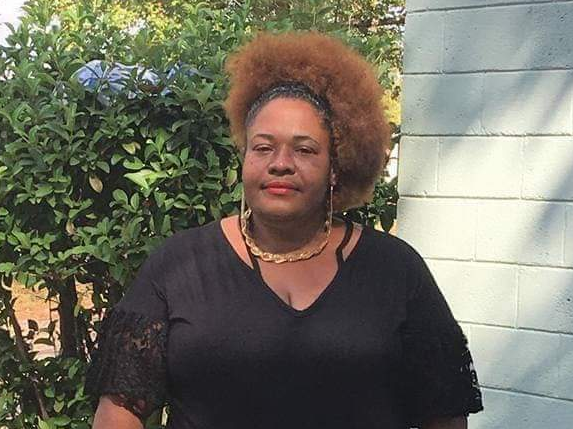
Healthcare costs are increasingly burdening families across the United States, as illustrated by the challenges faced by Cassenda Nelson, a single mother of four from Camilla, Georgia. Despite paying $787 monthly for health insurance, Nelson struggles to afford necessary medical care for her 16-year-old daughter, Amunet, who suffers from complex health conditions.
Nelson’s financial strain is compounded by significant medical debt, which she estimates exceeds $10,000. This debt has become a source of constant stress, impacting not only her family’s well-being but also their ability to afford basic necessities like housing and food. As she navigates the complexities of the healthcare system, Nelson holds her breath each time the phone rings, fearing it may be a call regarding unpaid bills.
Amunet’s health issues have been particularly challenging since she was diagnosed with type 2 diabetes and a seizure condition in 2020. The teenager requires daily access to insulin and frequent emergency care. Nelson’s situation is emblematic of a larger crisis, as more than 100 million Americans are burdened by medical debt, which has become a leading cause of personal bankruptcy in the country.
Healthcare Costs and Family Impact
The ramifications of healthcare expenses extend beyond medical bills. Nelson’s financial struggles have led her to reduce her food budget significantly and forgo her own healthcare needs. She has even stopped contributing to her son’s college tuition due to the overwhelming costs associated with Amunet’s care. Recently, the family moved into a low-income housing unit after being unable to maintain their previous home, further illustrating the pervasive impact of medical debt.
Nelson’s employer-sponsored insurance, while providing some stability, still leaves her in a precarious financial position. She notes that, despite her job as a community healthcare worker focused on cancer screening education, she often takes unpaid leave to care for Amunet. “I make a certain amount of money, but I bring home very little because she needs to have the best insurance,” Nelson explained.
The toll of medical debt is not just financial; it has also affected Nelson’s mental health. With her credit score declining due to unpaid medical bills, she finds it increasingly difficult to secure leases or loans. The stress of managing both her daughter’s health and the associated financial burdens weighs heavily on her.
Navigating the Healthcare System
Navigating the healthcare system can be particularly daunting for Black families like Nelson’s. She faces not only the logistical challenges of appointments and paperwork but also the emotional labor of advocating for her daughter. Nelson often prepares for emergencies by laying out her clothes before bed in case Amunet has a seizure during the night. “I know that because of me being an African American woman, I cannot walk here without any clothes on or my hair combed,” she remarked.
Despite the overwhelming challenges, Nelson remains resolute in her commitment to Amunet’s care. “I don’t give up,” she said. “I get up every morning and I pray.” With no clear path to financial relief in sight, she continues to advocate for her daughter while managing the daily realities of medical debt and healthcare access.
As healthcare costs rise, the experiences of families like Nelson’s highlight a critical issue within the American healthcare system. The need for reform remains urgent, as millions face similar struggles in securing necessary care while managing the financial burdens that come with it.