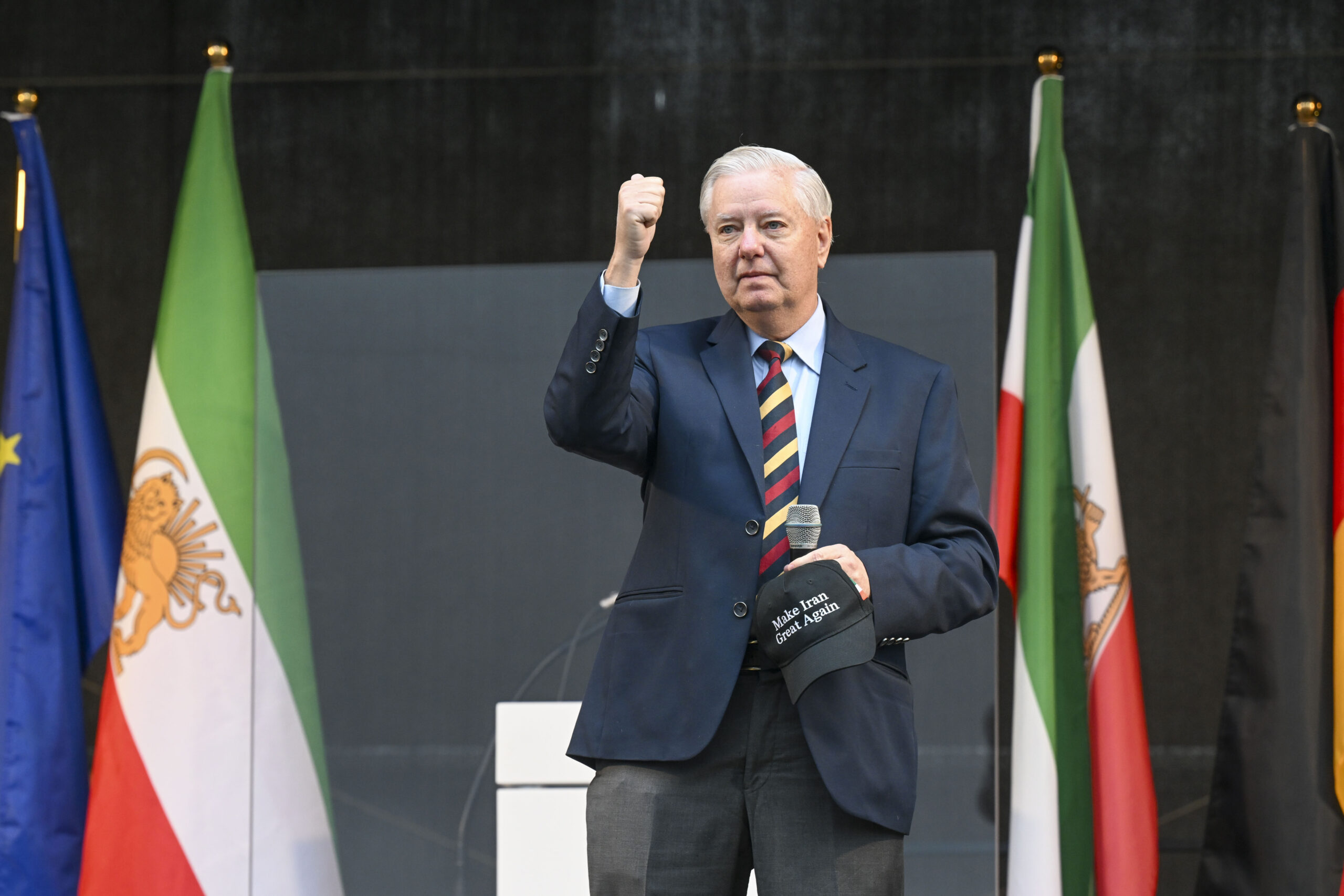
The United States launched military operations against Iran on Saturday, marking a significant shift in strategy largely influenced by Senator Lindsey Graham. The veteran Republican lawmaker has long advocated for a more aggressive stance against the Iranian government, which he identifies as a key threat to U.S. interests and allies in the region.
Graham’s push for action is rooted in a decades-long campaign to confront the Islamist regime. His persistence has culminated in a decisive moment as President Donald Trump has now aligned with Graham’s call for military intervention. This development underscores the senator’s ability to sway the administration’s foreign policy decisions, particularly concerning Iran.
Decades of Advocacy
Throughout his political career, Graham has consistently emphasized the need for a robust military response to Iran. His arguments often highlight the regime’s sponsorship of terrorism and its nuclear ambitions. This weekend’s military action is seen as a culmination of those efforts, reflecting a broader consensus within the Republican Party regarding the necessity of confronting Iranian aggression.
In recent months, tensions between the U.S. and Iran have escalated, prompting discussions about military options. Graham’s role in shaping these discussions has been critical. His connections within the military and foreign policy circles have allowed him to effectively communicate the urgency of the situation to Trump and other key officials.
A Strategic Shift
The operations initiated on Saturday involve targeted strikes intended to degrade Iran’s military capabilities and deter future threats. While the specific details of the military engagement remain classified, reports suggest that these actions aim to protect U.S. interests in the Middle East and reassure allies concerned about Iranian expansionism.
Graham’s endorsement of military action has not been without controversy. Critics argue that escalating military involvement could have unintended consequences, potentially leading to a broader conflict in the region. Nonetheless, Graham remains resolute in his belief that decisive action is necessary to ensure long-term stability.
As the situation develops, the implications of this military action will be closely monitored both domestically and internationally. Observers will be particularly attentive to how this decision aligns with Trump’s broader foreign policy agenda and its potential impact on U.S. relations with other nations in the Middle East.
The launch of military operations against Iran signifies a pivotal moment in U.S. foreign policy, one that could reshape the dynamics of power in the region. With Graham’s influence at the forefront, this decision not only reflects a strategic shift but also highlights the evolving role of Congress in matters of national security.