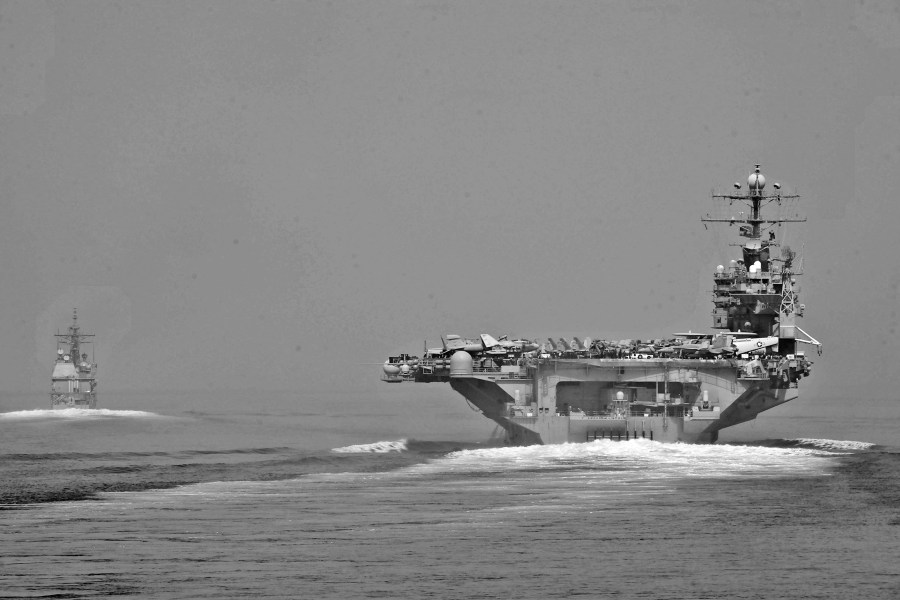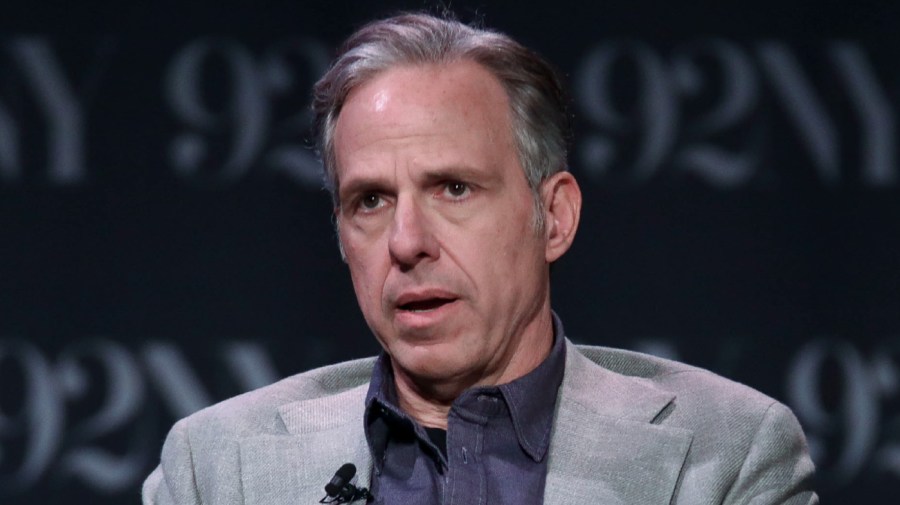
CNN anchor Jake Tapper publicly condemned the Trump administration for its portrayal of the conflict involving Iran, characterizing it as “like a game.” This criticism emerged after the White House shared clips on social media that juxtaposed footage of apparent U.S. military strikes with scenes from video games and Hollywood films.
The controversy began on January 8, 2021, when a series of videos were posted online by the White House. These segments included dramatic military imagery alongside lighthearted video game visuals, which Tapper argued trivialized the seriousness of military engagements. He described the approach as a concerning method of framing significant geopolitical issues, especially in a time of heightened tensions.
Concerns Over Misrepresentation
During a segment on CNN, Tapper expressed his dismay, stating that representing military actions in such a manner undermines the profound implications of war. “This is not a game,” he emphasized, highlighting the real consequences faced by service members and civilians involved in conflict zones. His remarks sparked a broader discussion about the ethical responsibilities of public figures and institutions when communicating about military actions.
This incident is not isolated; it reflects ongoing concerns regarding how the media and government agencies engage with the public about military interventions. Critics argue that the blending of entertainment with serious news can lead to a desensitization of the audience regarding military conflicts. The potential for misinformation and misunderstanding is raised when crucial issues are presented in a sensationalized format.
Public Reaction and Implications
Responses to the White House’s video clips have varied. Some commentators have praised the innovative approach to communication, suggesting that it could engage younger audiences. However, many, including Tapper, caution against using such tactics when discussing sensitive international issues. The need for responsible communication regarding military operations is paramount, especially at a time when global stability is at risk.
As discussions about the ethics of media representation continue, the impact of how conflicts are portrayed will likely remain a significant topic. The fusion of military action with entertainment elements raises essential questions about the role of media in shaping public perception and policy.
In summary, Jake Tapper’s critique sheds light on the necessity for respectful and serious dialogue surrounding military conflicts. As the situation in Iran evolves, the manner in which these events are communicated will undoubtedly influence public understanding and sentiment towards international relations.