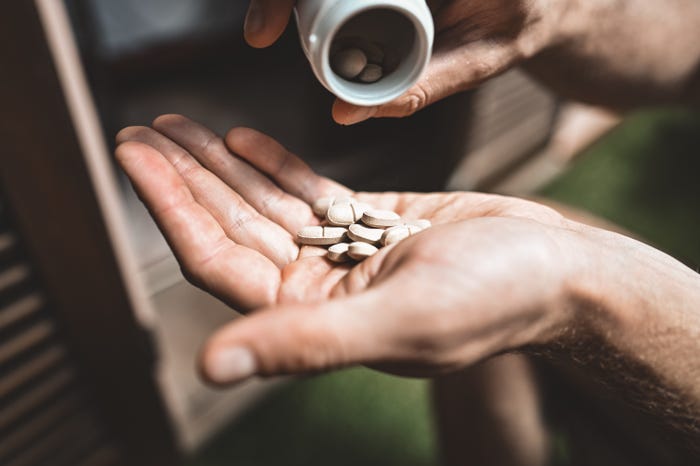
A recent study published in Nature Medicine suggests that daily multivitamin use may slow biological aging in older adults by approximately four months. The research involved a large cohort of participants and is considered a significant advancement in understanding the potential benefits of multivitamins, though experts caution against immediate changes to dietary habits.
The study followed 958 older adults, with an average age of 70, over a two-year period. Participants were divided into two groups: one received a standard daily multivitamin tailored for older adults, while the other took a placebo. Those who consistently took the multivitamin exhibited a slower pace of biological aging, as measured by two epigenetic clocks known as GrimAge and PhenoAge. These clocks assess changes in DNA methylation to gauge overall aging.
According to Howard Sesso, the lead author and an epidemiologist at Harvard Medical School, this research marks a step toward understanding how multivitamins might influence aging. He noted, “This doesn’t mean that everyone should go out and start taking a multivitamin. Rather, this is starting to connect the dots.”
The findings align with other recent studies suggesting marginal benefits from multivitamins for older adults, particularly those who may not be receiving adequate nutrition from their diets. For instance, a separate study published in the American Journal of Clinical Nutrition earlier in 2023 indicated slight improvements in memory test scores among multivitamin users.
While the results are promising, experts emphasize that the effect is modest. Sesso pointed out that the study’s design was more rigorous than many supplement trials, which often lack substantial scientific backing.
The research team measured participants’ biological aging through blood and saliva samples, establishing a connection between nutrient intake and the pace of aging. The results indicated that older adults experiencing faster biological aging could benefit more from multivitamins, suggesting these supplements may play a role in nutrient replenishment for those in poorer health.
Despite the intriguing outcomes, some researchers urge caution. Daniel Belsky, an aging researcher and associate professor at Columbia University, expressed skepticism regarding the implications of biological age changes on overall health and longevity. He remarked, “It might turn out that what this is actually measuring is not really improved healthspan, but something else.”
The study primarily focused on individuals aged 60 and above, leaving a gap in data regarding younger adults. Should the evidence supporting multivitamins for older adults strengthen, healthcare providers might increasingly recommend them as a preventive measure.
Sesso himself has decided to take a multivitamin after noting findings from a long-term study funded by the National Institutes of Health, which suggested that men over 50 may reduce their risk of certain health issues through daily multivitamin use. He emphasized, however, that prioritizing a healthy diet and lifestyle remains crucial for overall well-being.
Looking forward, there is hope that advancements in understanding biological age could inform future medical practices, allowing for personalized supplement recommendations tailored to individual health needs. Belsky noted that as the science evolves, there is potential for doctors to use biological age assessments to determine the most beneficial supplements for their patients.
While the results of this study are certainly intriguing, experts agree that more research is necessary to fully understand the implications of multivitamins on aging. For now, the findings provide a glimmer of hope in the ongoing quest to decode the complexities of aging and health.