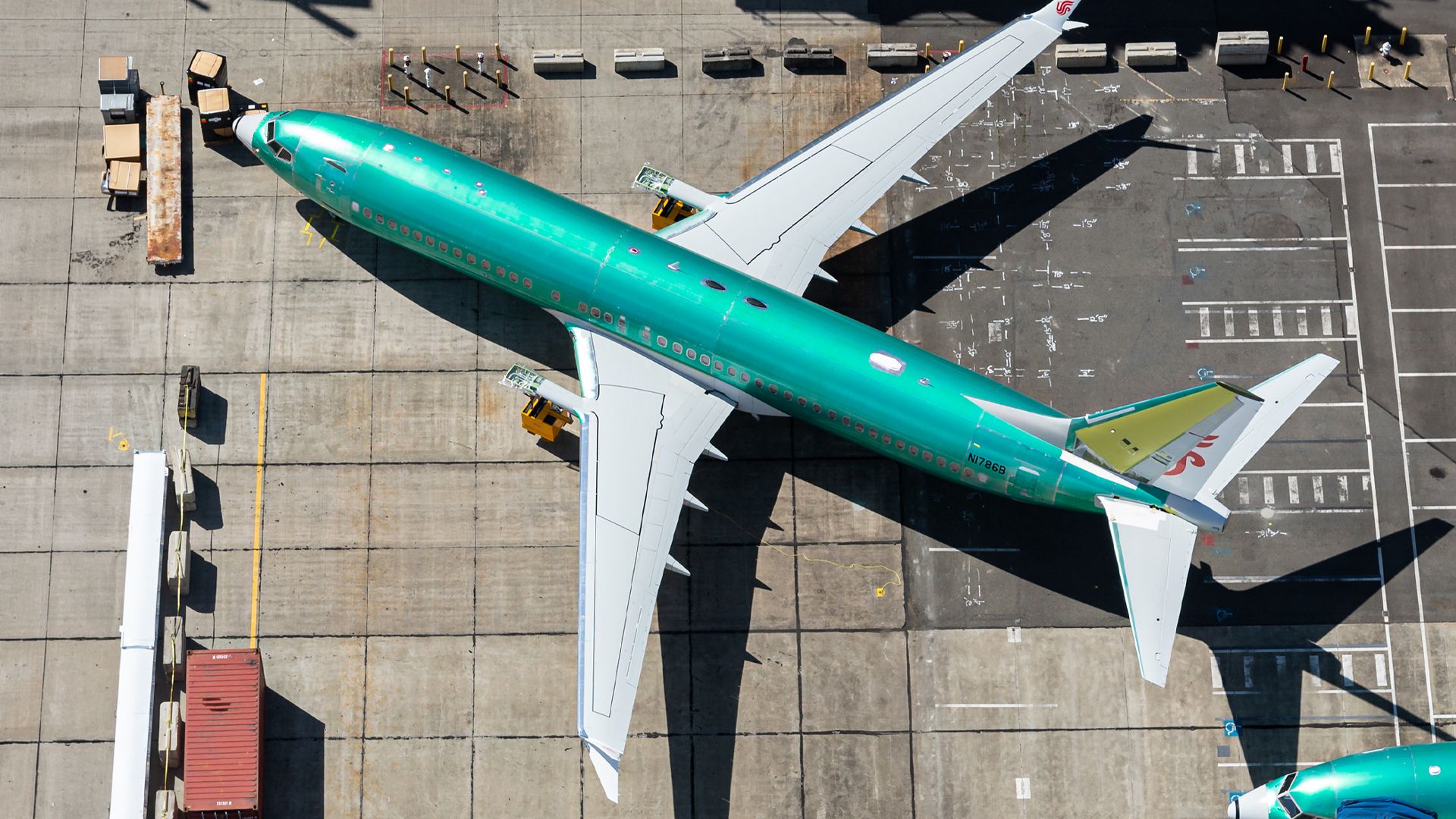
The demand for Boeing’s 737 MAX is experiencing a significant upsurge as the company resolves prior production challenges. This shift comes after years of competitive pressure from Airbus, particularly with its A320neo family, which dominated the narrowbody market. In a notable turnaround, Boeing is enhancing its production capabilities and increasing the appeal of the 737 MAX among major airlines.
Boeing’s production processes for the 737 MAX have seen substantial improvements. After grappling with a production cap of 38 aircraft per month imposed by the Federal Aviation Administration (FAA), Boeing is now ramping up output to 42 aircraft monthly, with plans to reach 47 by late 2026. This increase follows difficulties that included a grounding incident in January 2024, when a door plug issue led to the grounding of all 737 MAX 9 aircraft. The FAA’s restrictions heightened wait times and costs for customers.
An important aspect of Boeing’s strategy involves acquiring supplier Spirit AeroSystems to streamline production. Additionally, the establishment of a new final assembly line (FAL) in Everett, Washington, is set for completion by summer 2026. This line specifically aims to assemble the 737 MAX 10, enhancing Boeing’s ability to meet increasing demand in the narrowbody segment.
Market Dynamics and Order Trends
The Boeing 737 MAX 8 has emerged as a standout performer, with over 4,800 orders to date. This figure is approaching the 4,991 orders recorded for the 737-800, signaling a potential shift in the market landscape. The MAX 8’s design advantages, including increased range and payload capacity, further bolster its attractiveness compared to the Airbus A320neo, which has garnered approximately 4,160 orders.
Air Canada, a former Airbus operator, notably shifted to the 737 MAX in 2013 and currently operates a fleet of 50 MAX 8 aircraft. Other airlines, such as Southwest Airlines, American Airlines, and Delta Air Lines, have also expanded their 737 MAX orders, indicating a growing confidence in Boeing’s latest model.
The competitive landscape remains dynamic, particularly with the introduction of the 737 MAX 10, which aims to offer lower per-seat costs compared to the A321neo. Although the MAX 10 will be slightly smaller than its Airbus counterpart, its operational efficiency positions it as a viable alternative for airlines seeking to optimize costs.
Recent Successes and Future Prospects
Boeing has celebrated a series of significant orders from major US airlines. American Airlines, the launch customer for the MAX, has committed to 219 units, including 115 MAX 10s. Delta Air Lines has also ordered 100 MAX 10 aircraft, a notable shift away from its previous reliance on the A321neo.
Alaska Airlines, a long-time Boeing partner, has ordered a total of 273 MAX variants, while Southwest Airlines has placed substantial orders across the 737 MAX family, totaling 765 units. The diversification of orders from these airlines underscores a strategic shift towards dual-sourcing aircraft from both Boeing and Airbus, allowing them to mitigate risks associated with production delays and quality control issues.
Airlines are increasingly recognizing the benefits of maintaining a mixed fleet. This strategy provides operational flexibility, enabling them to manage disruptions more effectively. Boeing’s ability to deliver the 737 MAX in a timely manner, coupled with competitive pricing, positions the company favorably against Airbus, which is facing long lead times for new A320neo family aircraft.
As the aviation market continues to recover, the Boeing 737 MAX is not only regaining lost ground but is also poised to redefine its role in the narrowbody segment. The combination of improved production capabilities and a strong order book suggests that Boeing is well-positioned for future growth.
In conclusion, the resurgence of the 737 MAX, particularly the MAX 8 and the anticipated MAX 10, highlights a pivotal moment for Boeing as it navigates a competitive landscape increasingly dominated by strategic partnerships and evolving airline needs.