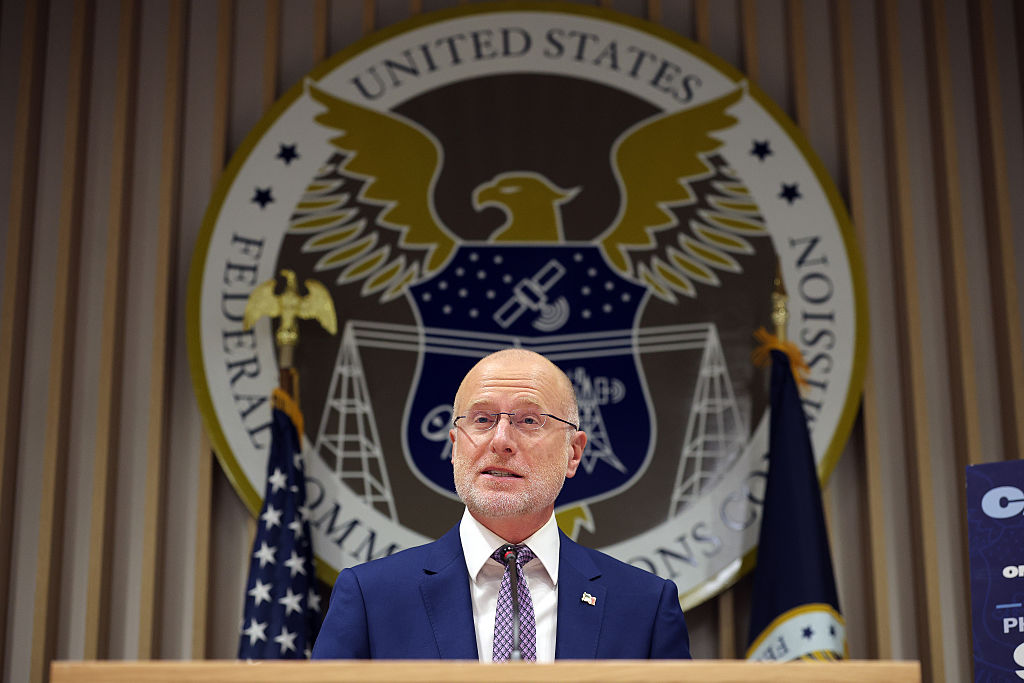
The Federal Communications Commission (FCC) has issued a warning to broadcasters regarding their coverage of the ongoing conflict between the United States and Iran. As the war enters its third week, FCC Chairman Brendan Carr stressed the need for accurate reporting, stating that failure to do so could jeopardize news outlets’ broadcast licenses.
The warning comes in light of criticism from former President Donald Trump, who has accused major media organizations of misleading the public about the administration’s military actions against Iran. In a series of posts on his social media platform, Truth Social, Trump described the coverage as “wrong” and cautioned his supporters against trusting reports from the press.
Concerns Over Media Freedom
Chairman Carr highlighted that broadcasters have a legal obligation to serve the “public interest.” He indicated that networks disseminating what he deemed inaccurate information about the war could face consequences during their license renewal processes. He urged broadcasters who may be perpetuating “fake news” to correct their course before it is too late.
“The law is clear. Broadcasters must operate in the public interest, and they will lose their licenses if they fail to do so,” Carr stated.
These comments have raised alarms among press freedom advocates and media analysts, who worry that such statements could represent government pressure on news organizations, particularly in a wartime context. Critics argue that this situation could lead to a chilling effect in newsrooms, especially as the administration seeks to control the narrative surrounding the conflict.
Concerns have been amplified by recent scrutiny of major media companies, including CBS, which faced internal debates regarding editorial independence before airing segments related to the war. Additionally, popular political commentary shows, like Stephen Colbert’s late-night program, have received backlash from conservative commentators, further complicating the media landscape.
Impact on the Media Landscape
As large media corporations such as Warner Bros. Discovery and Paramount Global navigate corporate restructuring and potential mergers requiring regulatory approval, the intersection of political pressure and regulatory authority has come under increased scrutiny. Observers note that this dynamic may inhibit journalists’ ability to report freely on the war.
Some critics have expressed that the FCC’s warning serves as a directive to ensure coverage aligns with government perspectives. Brian Schatz, a U.S. Senator, remarked that the stakes of such directives are significantly higher than typical entertainment criticisms, emphasizing the importance of accurate war reporting.
As the situation continues to develop, the tension between the administration and major news organizations remains palpable. Questions arise regarding how the conflict will be portrayed to the American public, alongside ongoing discussions about the role of media in democratic societies during times of military action.