BREAKING: NASA’s Perseverance rover has made a thrilling discovery on Mars, identifying a shiny rock nicknamed ‘Phippsaksla’ that may be a meteorite. This rock, rich in iron and nickel, suggests a cosmic origin—potentially forged in the depths of an ancient asteroid.
Just announced, this find adds to the legacy of Mars rovers exploring the red planet. High levels of iron and nickel in Phippsaksla are compelling indicators of a meteorite, a significant addition to the ongoing mission of the Perseverance rover, which has been scouring Mars for nearly four years since its landing on February 18, 2021.
The shiny rock stands out against the flat, rugged terrain of Jezero Crater, prompting NASA scientists to investigate further. Using the rover’s SuperCam, which fires a laser to analyze material composition, the team gathered readings that strongly support a meteorite origin.
NASA officials emphasize the importance of this discovery, noting that iron and nickel are typically found together in meteorites, not in native Martian rocks. If confirmed, Phippsaksla would join the ranks of notable finds by previous missions, including Curiosity and Opportunity, which have identified similar cosmic visitors.
“This finding is significant because it could provide insights into how meteorites interact with Mars over time,” NASA stated in their latest mission update. The location of Phippsaksla, perched on ancient impact-formed bedrock, could unlock further clues about its formation and journey to Mars.
While not the first metallic rock discovered by a rover, this potential meteorite would mark a milestone for Perseverance, underscoring the rover’s mission to uncover the secrets of Mars. As the team continues to analyze Phippsaksla’s unusual makeup, the scientific community eagerly awaits confirmation.
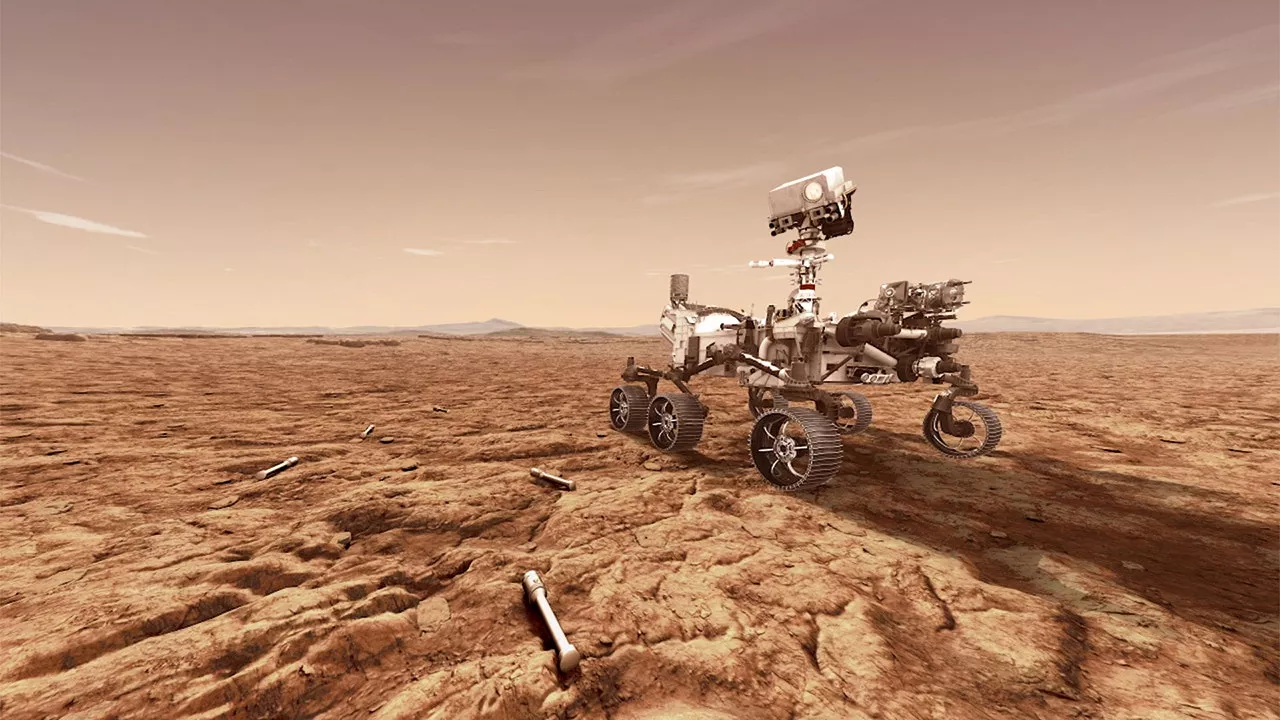
The Perseverance rover, a marvel of engineering built at NASA’s Jet Propulsion Laboratory in Pasadena, California, is equipped with seven scientific instruments and a rock drill for sample collection. Launched on July 30, 2020, it traveled 293 million miles to reach Mars, where it aims to prepare for future human exploration in the 2030s.
Stay tuned for updates as NASA continues to investigate this exciting discovery that could reshape our understanding of Mars and its history with cosmic debris. Every finding on Mars is a reminder that even 140 million miles away, the planet still holds surprises waiting to be uncovered.