Online shopping reached unprecedented heights this Black Friday, driven in large part by artificial intelligence (AI) technologies. Shoppers spent nearly $12 billion online, marking a 9% increase from the previous year. This surge, reported on November 29, 2025, is based on data from Adobe Analytics.
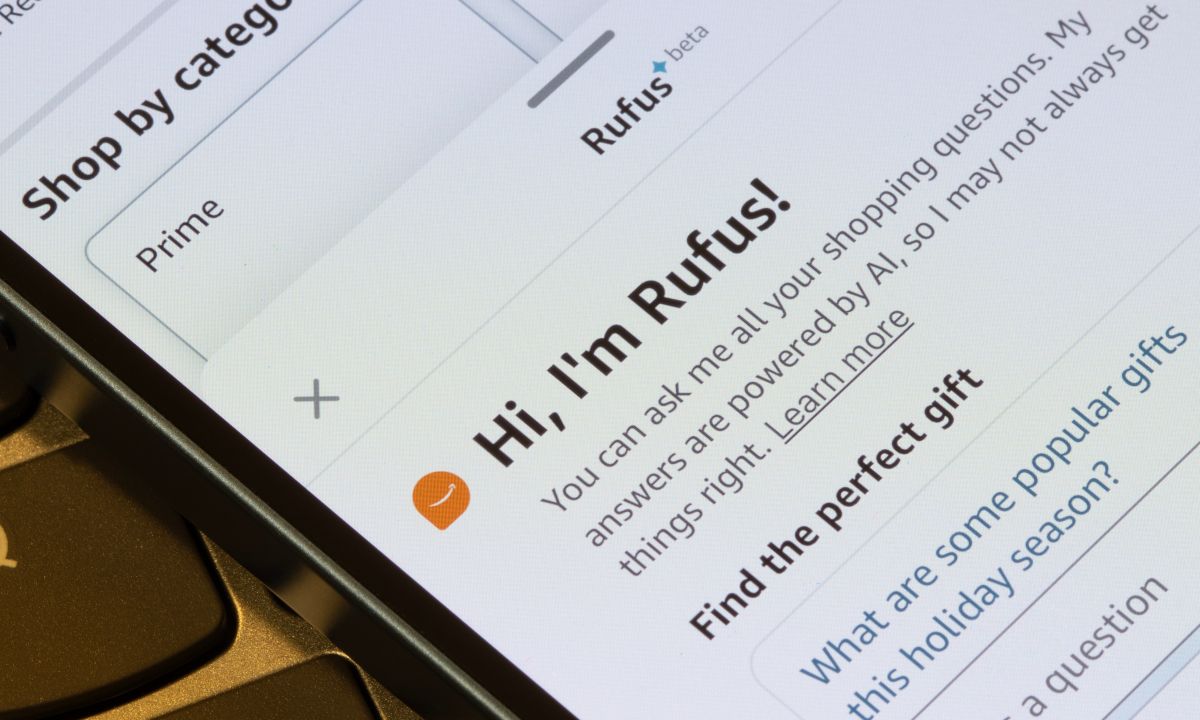
AI-powered shopping tools have transformed the way consumers engage with retail websites. Traffic to American retail sites surged by 805% compared to last year, largely due to the introduction of AI shopping assistants such as Walmart’s Sparky and Amazon’s Rufus. According to Suzy Davidkhanian, an analyst at eMarketer, these tools help consumers navigate their shopping experience more efficiently. “Gift giving can be stressful, and large language models make the discovery process feel quicker and more guided,” she noted.
Retail Outlook Amid Consumer Caution
The retail sector is bracing for significant spending during the holiday season, with the National Retail Federation projecting that shoppers will collectively spend over $1 trillion in November and December. This represents an anticipated year-over-year increase of between 3.7% and 4.2%. While this forecast might typically inspire confidence, the current economic conditions present unique challenges. In September 2025, research from PYMNTS revealed that 26% of consumers experienced difficulties paying their bills, the highest percentage in two years.
Walmart’s recent earnings report indicates that value continues to be a primary factor influencing consumer behavior, with shoppers increasingly utilizing digital channels to seek affordability. As the retail landscape grapples with fluctuating consumer confidence, persistent supply chain issues, and an unstable macroeconomic environment, industry leaders like Walmart and Amazon are adapting to the new normal by prioritizing innovation and customer engagement.
Shifting Consumer Behavior and Future Trends
In the context of changing shopping habits, AI tools are expected to maintain their influence on holiday spending. Last week, PYMNTS utilized OpenAI’s ChatGPT to predict the holiday season dynamics. The chatbot indicated that online channels would likely capture the largest share of spending, aided by AI-driven search functionalities, retailer chat assistants, and personalized offers. Nevertheless, it also anticipated a resurgence in foot traffic at physical stores for specific needs, such as apparel try-ons and last-minute purchases.
This evolving landscape reflects findings from PYMNTS’ 2025 report, which highlighted that while consumers often browse online, they still prefer visiting physical outlets to finalize their purchases. As the holiday season progresses, the integration of AI in retail will continue to shape the shopping experience, balancing the convenience of online purchasing with the tactile advantages of in-store shopping.
For ongoing insights into AI’s impact on retail, consider subscribing to the daily AI Newsletter.