The cost of commuting in the Bay Area is set to rise significantly in 2026, as new tolls and fare increases are scheduled to take effect on January 1. This change comes as the region grapples with budget deficits and operational challenges, prompting local authorities to seek additional revenue.
Increased Tolls on State-Owned Bridges
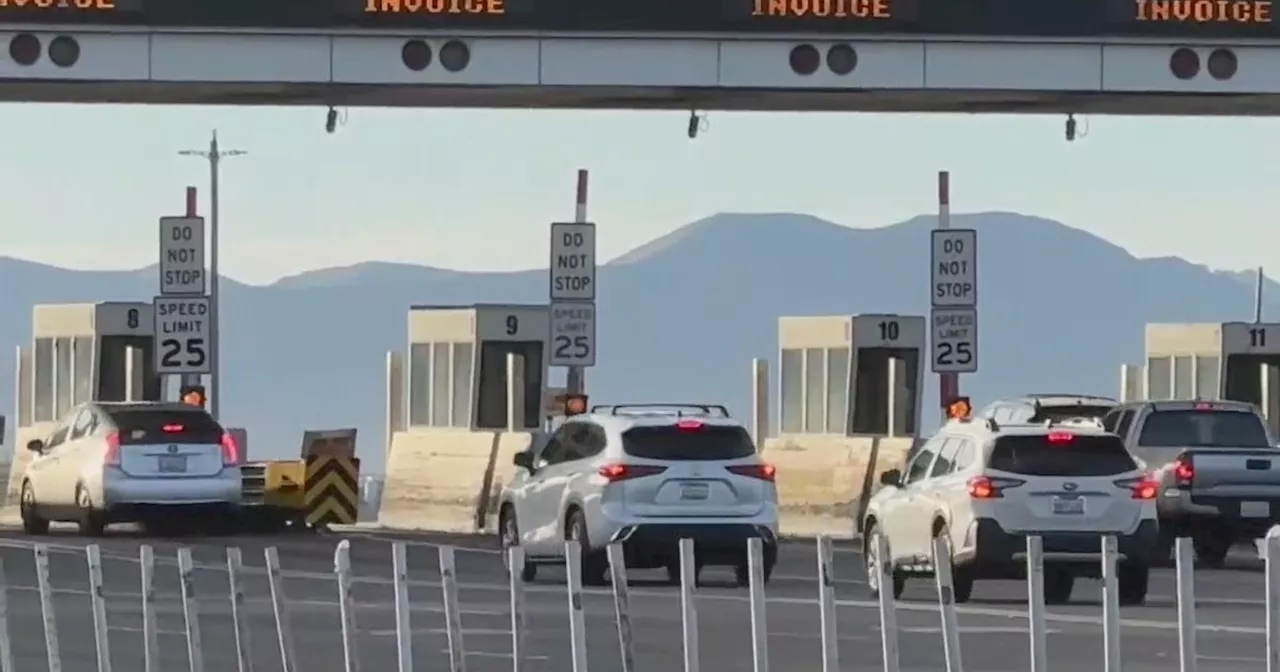
Starting in January, tolls on the seven state-owned bridges in the Bay Area will increase by 50 cents. This hike applies to major crossings including the Bay Bridge, Antioch, Benicia, Carquinez, Dumbarton, Richmond-San Rafael, and San Mateo bridges. For standard two-axle vehicles, the toll will rise from $8 to $8.50. The increases will also affect larger vehicles, including freight trucks with three or more axles.
According to the Bay Area Toll Authority (BATA), the additional funds generated from these toll increases will be allocated to the maintenance and operation of the bridges, as well as servicing existing debt from BATA bond issues. This adjustment is part of a phased approach approved in 2024, which will see tolls rise incrementally each January through 2030.
To encourage the use of the FasTrak electronic tolling system, customers using license plate accounts or invoiced tolling will incur additional charges ranging from $0.25 to $1.00, starting in 2027. New rules for carpools will also take effect, requiring three-person occupancy during peak weekday hours for discounted tolls.
While these toll increases will impact most drivers, tolls on the Golden Gate Bridge, which is managed by a separate entity, will remain unchanged.
BART Fare Adjustments Amid Budget Deficits
In addition to the toll hikes, the Bay Area Rapid Transit (BART) system will implement a fare increase of 6.2% on January 1, 2026. This adjustment raises the average fare by 30 cents, from $4.88 to $5.18. Specific routes will see varying increases; for example, the fare for a short trip between Downtown Berkeley and 19th Street in Oakland will rise by 15 cents, while a longer journey from Antioch to Montgomery station in San Francisco will increase by 55 cents.
BART officials have cited a projected budget deficit of $376 million for the upcoming fiscal year as the primary reason for the fare increases. BART Board President Mark Foley stated, “As we ask the region for greater investments and support for BART while also making internal cuts to reduce costs, we also must ask our riders to contribute more towards their trips.” The agency has already balanced its current budget through $35 million in cuts and is planning further savings of $108 million to maintain service levels.
Additionally, BART will raise parking rates at stations in response to inflation. Most daily parking fees will increase by 40 cents, while rates at high-demand stations like Glen Park and Walnut Creek will rise by 30%.
In 2026, voters in five Bay Area counties will also consider a proposed transportation sales tax aimed at funding various transit initiatives, including BART.
These changes reflect ongoing challenges faced by the Bay Area’s transportation networks, as authorities work to manage costs while maintaining essential services for commuters.