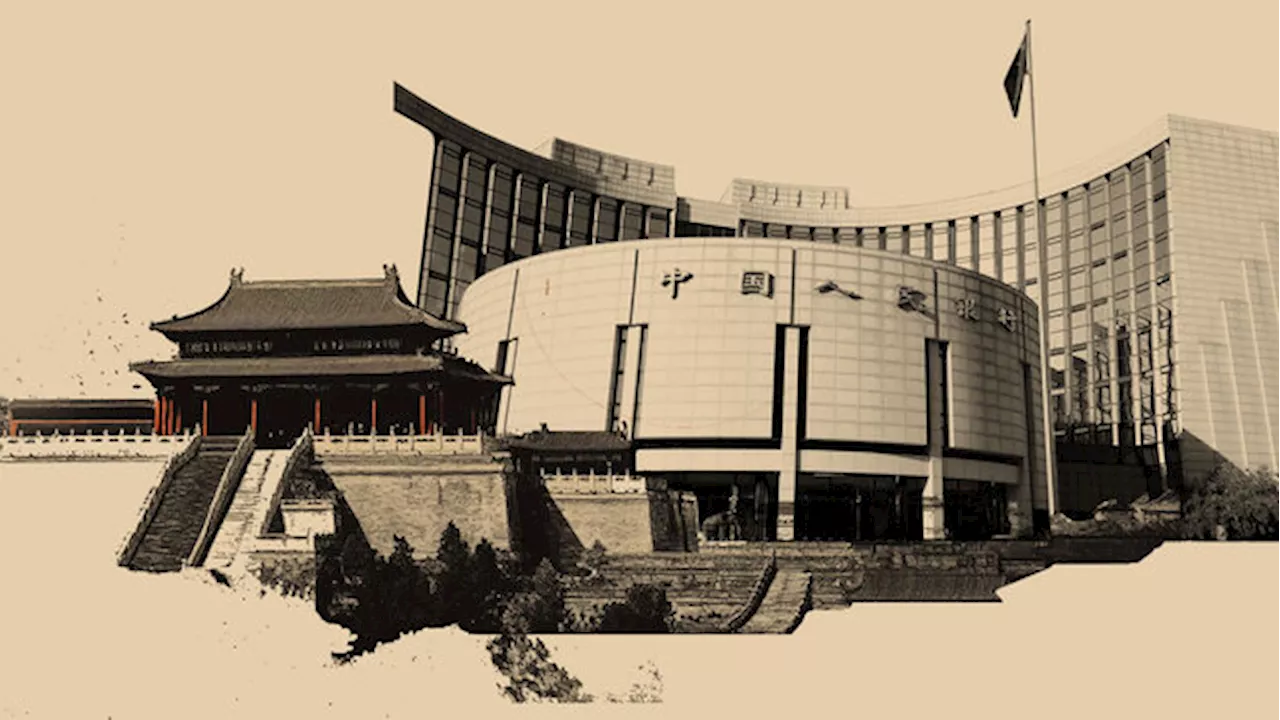
Chinese authorities are reportedly preparing to inject substantial capital into the financial sector, aiming to bolster the stability of major banks and insurers. According to unconfirmed reports, the government may allocate RMB 200 billion to large insurers and an additional RMB 300 billion to key banks. This initiative seeks to fortify capital buffers amid challenges such as declining net interest margins.
The potential recapitalization comes as the China Banking and Insurance News highlighted that over two-thirds of the 173 insurers that submitted reports have seen their solvency ratios decline in the third quarter of 2023 compared to the previous quarter. This decline raises concerns about the overall financial health of these institutions.
Market Reactions and Currency Implications
In the context of this financial maneuver, the People’s Bank of China (PBoC) has maintained the USD/CNY fixing below the 7.0000 threshold. Analysts including Lin Li, Asian Head of Global Markets Research at MUFG Bank, and Khang Sek Lee, Research Associate at the same institution, attribute this stability to a weakening US dollar. The PBoC’s strategy aims to support the renminbi while avoiding overshooting risks in the currency market.
Looking ahead, experts suggest that any appreciation of the renminbi will likely be modest and closely guided by the PBoC’s fixing strategy. The focus on maintaining stability is particularly critical given the current pressures within the banking sector.
The potential capital infusion is being viewed as a timely response to the challenges faced by insurers and banks. With financial stability being a priority, this move could help mitigate risks and bolster confidence in China’s financial system as it navigates a complex economic landscape.
As the situation develops, market participants will be closely monitoring any official announcements from the PBoC regarding these reports. The implications of such capital injections could have significant effects on both domestic and international financial markets, shaping the trajectory of the Chinese economy in the coming months.